US deploys drones to monitor flesh-eating screwworm outbreak in Texas
Homeland Security drones are tracking flesh-eating screwworms in Texas, the first US outbreak in decades. This surveillance protects livestock and prevents the parasite from spreading nationwide.
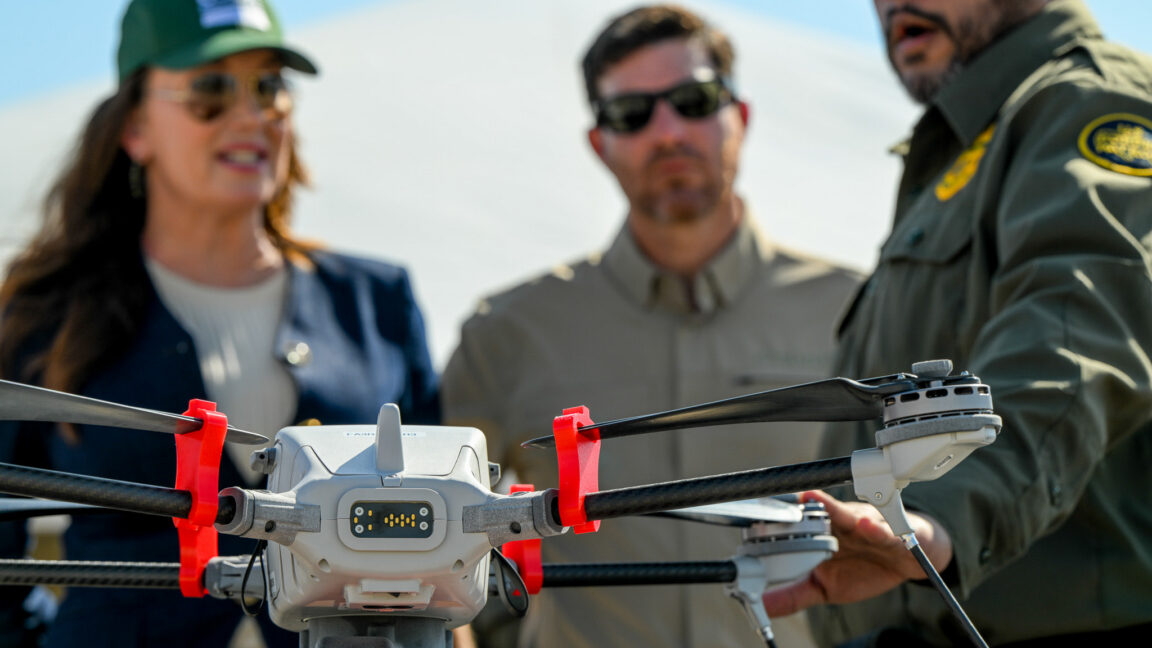
Hundreds of Homeland Security drones have been redeployed to Texas to track the spread of flesh‑eating screwworms, the first U.S. outbreak in decades. The drones, originally used for border patrol and maritime monitoring, are now being flown over ranches, wildlife refuges and cattle feedlots to spot signs of the pest and map its movements. The U.S. Department of Homeland Security announced the shift on Tuesday, saying the operation is part of a larger effort to protect livestock and prevent the fly from reaching the rest of the country.
Screwworms (Cochliomyia hominivorax) are flies that lay eggs on open wounds of animals. The larvae burrow into tissue, causing painful infections and, in severe cases, death. The United States once eradicated the pest in the 1950s with a massive aerial spraying campaign that covered the entire country. Since then, the fly has been confined to Mexico and Central America. Climate change, warmer winters and increased trade with neighboring countries have created conditions that allow the screwworm to survive longer and travel farther. In early March, Texas veterinarians reported the first confirmed infestations in a ranch near San Antonio, prompting an urgent response from federal and state agencies.
The decision to use Homeland Security drones came after the U.S. Department of Agriculture and the Texas Department of State Health Services ran out of traditional surveillance tools. Drones equipped with high‑resolution cameras and infrared sensors can cover hundreds of square miles in a single flight, detecting the small signs of screwworm activity that are hard to spot on the ground. The drones also collect GPS data that feeds into a national database, allowing scientists to model the fly’s spread and identify high‑risk zones. The partnership means that if a screwworm hotspot is detected, state inspectors can be dispatched immediately, and targeted pesticide treatments can be applied to the affected area.
Looking ahead, the drones will continue to fly until the fly’s presence is confirmed to be contained. Officials say the operation will last at least six months, with the possibility of extending it if new infestations appear. The data gathered will also help refine the USDA’s pest‑control strategies and inform ranchers about best practices for wound care and biosecurity. If the screwworm is successfully stopped in Texas, the U.S. could avoid the costly and widespread loss of livestock that would otherwise result. The deployment of homeland security drones marks a new chapter in pest management, blending technology and public‑health policy to safeguard an industry worth billions of dollars.
Read Full Story at Ars Technica →