UK deploys Typhoon jets to Saudi Arabia against Houthi threats
The UK will deploy Royal Air Force Typhoon jets to Saudi Arabia to help defend against Houthi missile and drone attacks, as these assaults have intensified and threatened regional stability. This mov…
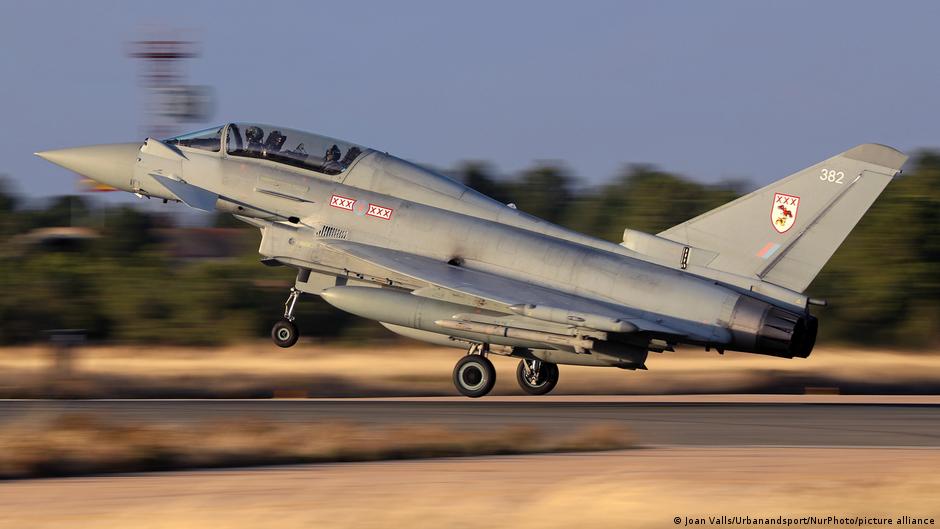
Britain will send Royal Air Force Typhoon fighter jets to Saudi Arabia on Tuesday, after the Saudi government asked for help to defend its cities and critical infrastructure from Houthi missile and drone attacks. The Ministry of Defence said the aircraft will patrol Saudi airspace but will not carry out offensive strikes inside Yemen. Defence Secretary Wes Streeting called the Houthi attacks “absolutely despicable” and highlighted the recent assaults on Riyadh’s international airport, which has been hit 20 times since the start of October.
The deployment follows a widening of the military aid package London announced in September. In addition to the Typhoons, the UK will fly an Atlas A400M transport plane and send military advisers to Saudi bases. Britain also extended its offer of air‑to‑air refuelling for Saudi jets for another 90 days. The move comes as Yemen’s civil war has intensified after a truce collapsed in September, and Houthi rebels have stepped up attacks on Saudi oil facilities, civilian sites and the kingdom’s naval routes. The airport strikes have killed at least 18 people and wounded hundreds this month, while a Houthi raid on a training camp for Saudi‑backed forces in Yemen killed 58 on Monday.
Saudi Arabia and the United States accuse Iran of supplying the Houthis, a claim Tehran denies. The heightened threat has already disrupted oil exports and pushed global energy prices higher. In response, Saudi officials have postponed their flagship Future Investment Initiative conference, often dubbed “Davos in the Desert,” until 2027, citing security concerns from banks and investors. The event was meant to showcase Saudi plans to diversify its economy away from oil.
The British deployment signals a deeper UK involvement in the Gulf’s security landscape and underscores the strategic importance of protecting oil flows and regional stability. It also tests the limits of Britain’s willingness to intervene without direct combat. Observers will watch whether the presence of Typhoons deters further Houthi strikes and how it influences diplomatic talks on the Yemen conflict. The next steps may include longer‑term air‑defence agreements or additional support if the attacks continue.
Read Full Story at DW World →