Trump's EPA repeals pollution limits on fossil fuel power plants
The Trump administration has repealed limits on greenhouse gas emissions from fossil fuel power plants, claiming it will lower energy prices and boost energy production. Environmental advocates warn …
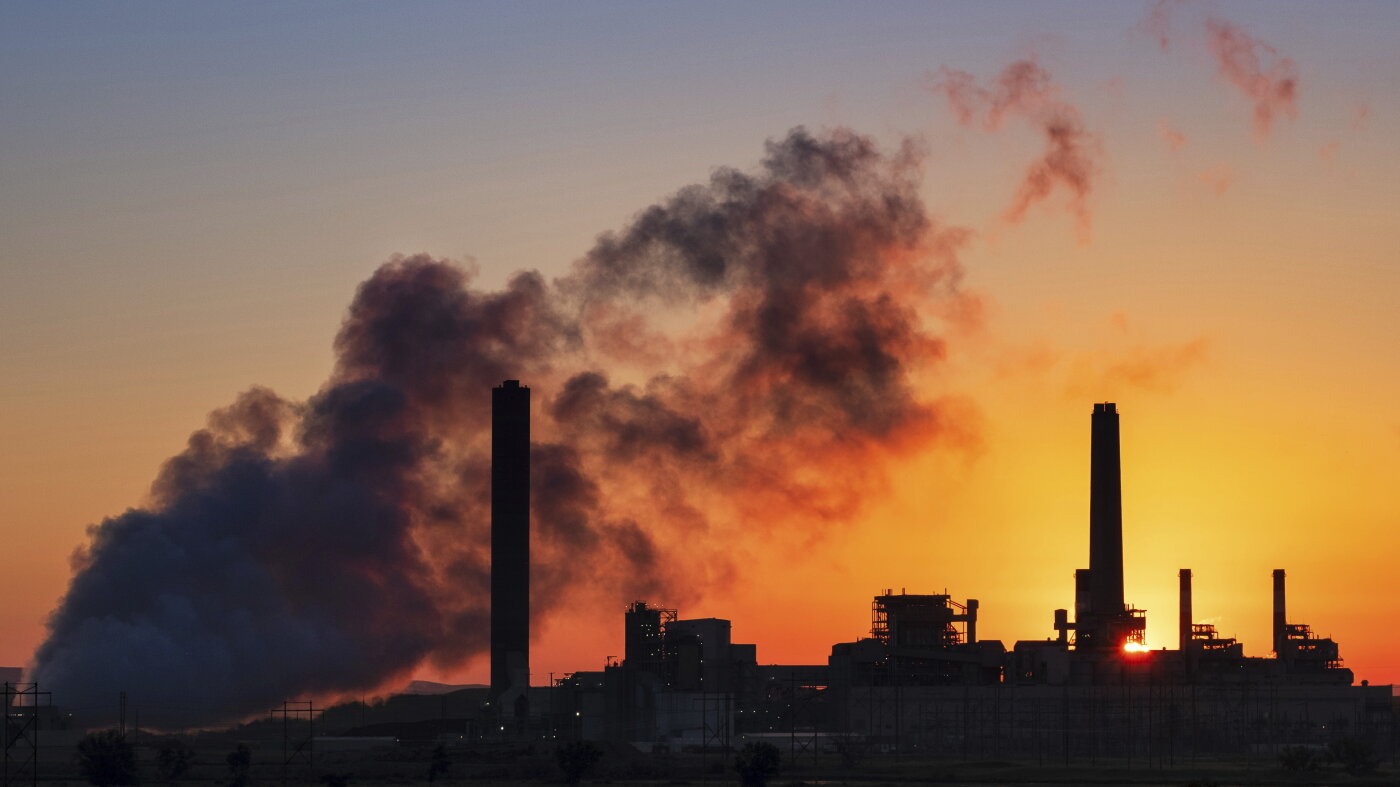
The Trump administration announced on Monday the repeal of limits on greenhouse gas emissions from fossil fuel-fired power plants, marking what the Environmental Protection Agency (EPA) head described as the largest deregulatory action in the U.S. power sector's history. This decision eliminates regulations implemented during the Biden administration that aimed to significantly reduce carbon dioxide emissions from existing coal and new natural gas plants, starting in the 2030s.
The move comes amid a broader trend of rolling back environmental regulations that have been a hallmark of the Biden presidency. The Trump administration argues that these previous regulations led to higher energy prices and hindered the nation’s energy potential. EPA Administrator Lee Zeldin, speaking at the G20 Energy Summit in Houston, stated, "The days of Biden and Obama working to destroy natural gas and coal are over." He further indicated plans to rescind all remaining greenhouse gas emissions standards for power plants.
Environmental advocates warn that this reversal will lead to increased pollution levels, posing threats to public health and contributing to climate change. Gudrun Thompson, a senior attorney at the Southern Environmental Law Center, emphasized the importance of these regulations, stating, "These rules are really important, not just for our climate, but also to protect public health from the dangers of local air pollution." The Trump administration's stance also reflects a rejection of established climate science, with Trump previously labeling climate change a "con job."
This decision signals a significant shift in U.S. energy policy and sets the stage for legal battles over the future of climate regulations. Environmental groups have already expressed their intent to challenge the repeal in court, arguing that the legal framework for regulating greenhouse gas emissions dates back to a pivotal Supreme Court ruling in 2007. The outcome of these challenges could have lasting implications for how the U.S. addresses climate change and pollution in the years to come.
Read Full Story at NPR News →