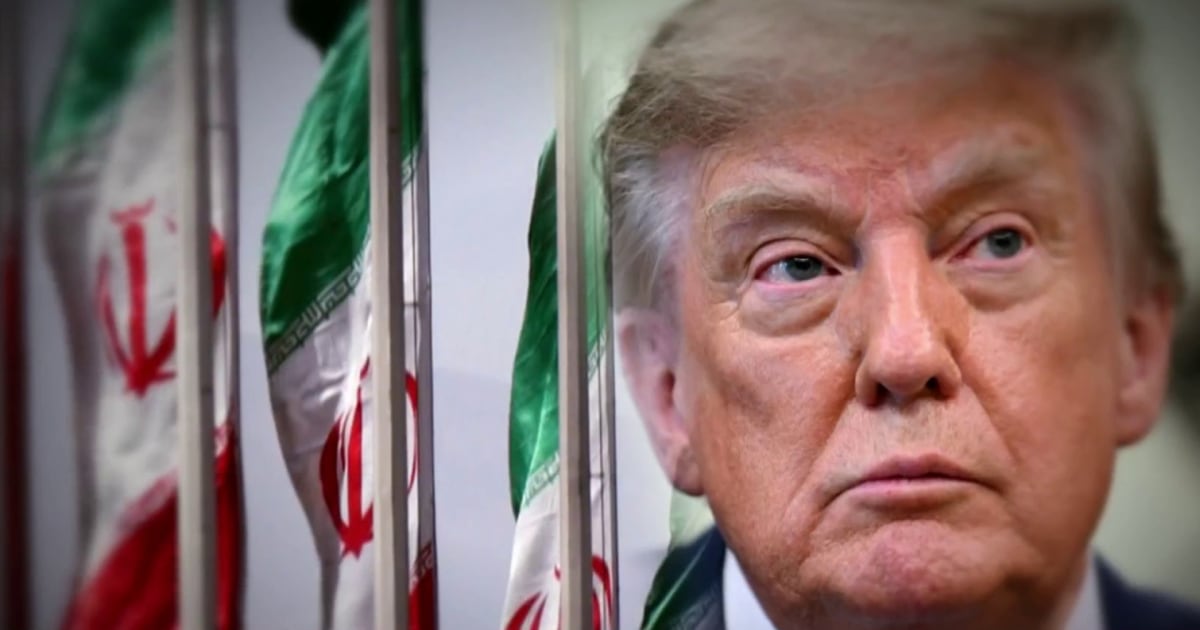
Trump threatens Iran’s partners: How do secondary sanctions work?
US launches ‘Operation Economic Outcast’ to cut Iran’s economic lifeline The United States has announced a slew of new economic sanctions against Iran and threatened countries it trades with, aiming…

US launches ‘Operation Economic Outcast’ to cut Iran’s economic lifeline
The United States has announced a slew of new economic sanctions against Iran and threatened countries it trades with, aiming to choke Tehran’s economy as the months-long conflict remains deadlocked.
At least 60 entities across the Middle East, Asia and Europe have been targeted in the latest sanctions as part of the economic pressure campaign that could further disrupt energy markets and rattle the global economy.
The US-Israel war launched on February 28 has already resulted in a spike in oil prices and disruption in global supply chains due to the blockade of the Strait of Hormuz, through which a fifth of global oil and gas previously passed.
In this explainer, we break down how secondary sanctions work, and when the US has used them in the past.
The Trump administration has already been waging an economic pressure campaign against Iran under the banner of “Operation Economic Fury”, since the launch of the war in February.
However, the US has recently decided to up the ante with “Operation Economic Outcast”, targeting countries that trade with Iran as well.
US Treasury Secretary Scott Bessent said on Monday that the US would target all of Iran’s sources of revenue, including oil, to prevent other countries and companies from doing business with Tehran.
Read Full Story at Al Jazeera →