Trump repeals carbon emissions regulations for fossil-fuel power plants
The Trump administration has revoked emissions regulations for fossil-fuel power plants, removing requirements for a 30% reduction in carbon dioxide by 2030. This repeal undermines the U.S. strategy …
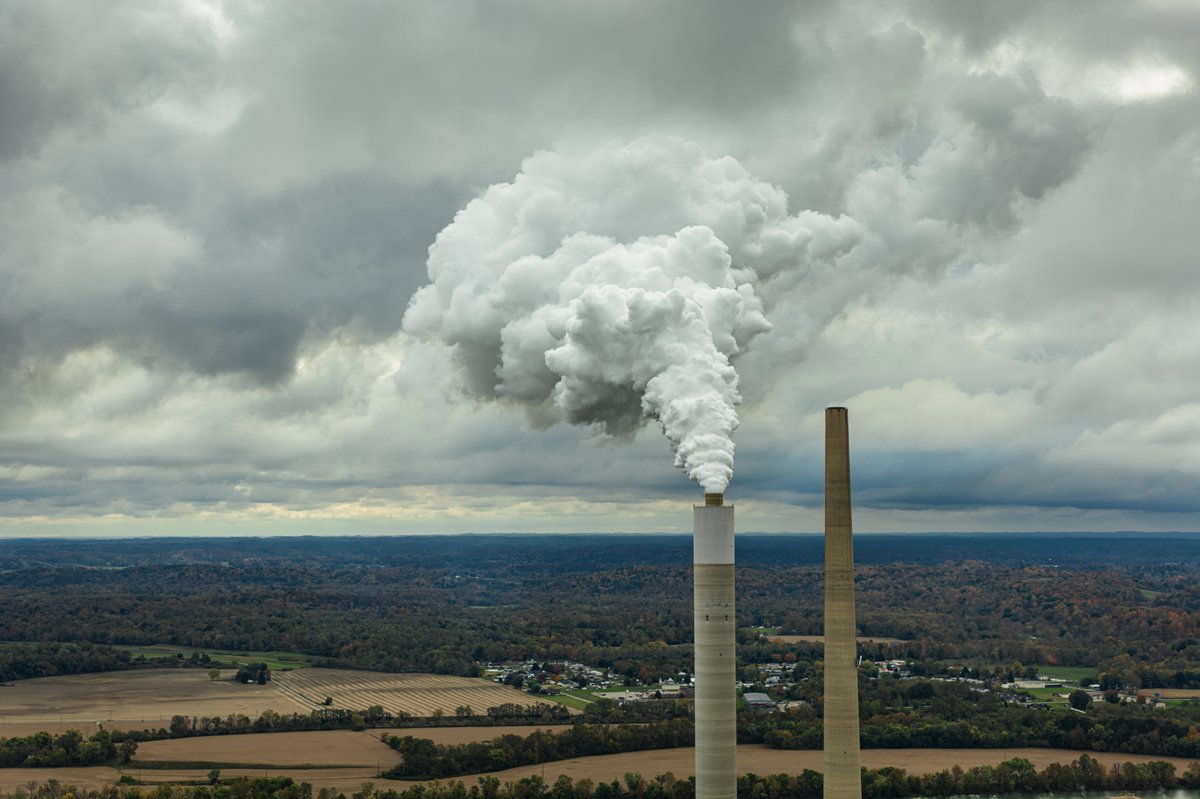
On June 12, 2026, the Trump administration announced that it was revoking the emissions cap on fossil‑fuel power plants that had been put in place by the Biden administration. The move lifts the limit that required coal‑ and natural‑gas‑powered plants to cut carbon dioxide output by 30 % by 2030 and to reach net‑zero by 2050. The rule had been signed into law by President Biden in 2022 and was enforced by the Environmental Protection Agency. The repeal is effective immediately and applies to all power stations across the United States.
The cap was a key part of the United States’ strategy to meet its Paris Agreement commitments and to limit global temperature rise to 1.5 °C. Power plants are the largest source of industrial carbon emissions, responsible for roughly 25 % of the country’s total greenhouse gases. By removing the cap, the Trump administration removes a major regulatory lever that forced utilities to invest in cleaner technology, such as carbon capture or renewable energy. The decision comes amid a broader shift by the administration to roll back environmental regulations and to promote the fossil‑fuel industry.
Environmental groups have condemned the repeal as a step backward for climate science. The Sierra Club said the move “undermines decades of progress and puts future generations at risk.” Meanwhile, the American Petroleum Institute welcomed the decision, arguing that the cap was “unfairly punitive” and that it would hurt jobs in the energy sector. In Congress, several Democrats have announced plans to file a lawsuit, claiming that the repeal violates the Clean Air Act. Republicans, on the other hand, have called for a review of the rule’s cost‑benefit analysis and have suggested that the repeal will lower energy prices for consumers.
The next phase will likely involve court battles over the legality of the repeal, as well as negotiations between federal and state governments. Some states that have already set aggressive emissions targets may seek to impose their own regulations to fill the gap left by the federal rollback. Meanwhile, the Trump administration has hinted at a new policy that would focus on “energy independence” rather than emissions limits. The outcome of these legal and political battles will determine whether the United States can still meet its climate goals or whether it will fall further behind the global effort to curb warming.
Read Full Story at Scientific American →