Trump faces lawsuit to reveal AI safety testing rules from presidency
A federal lawsuit may require Donald Trump to disclose secret safety testing rules for advanced AI used during his presidency, raising concerns about potential corruption and public safety. The outco…
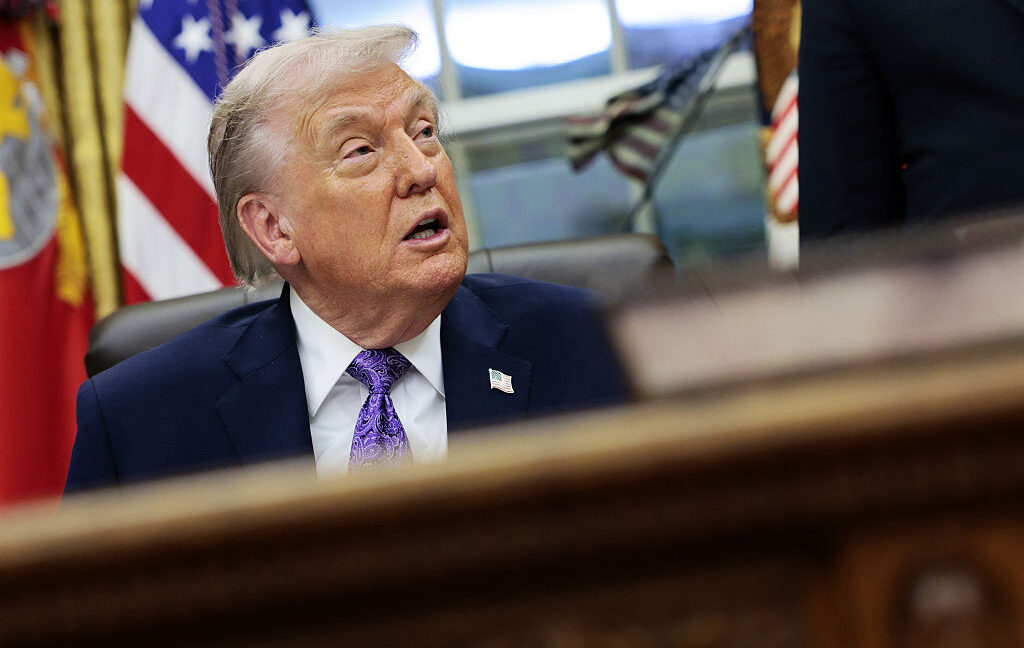
A federal lawsuit could compel former President Donald Trump to disclose hidden rules used by the government for safety testing of advanced artificial intelligence models. The case, initiated by a watchdog group, argues that these secretive reviews may conceal potential corruption or misuse of power during Trump's administration.
This legal challenge arises amid increasing scrutiny of AI technologies and their implications for public safety and ethics. In recent years, AI systems have rapidly evolved, prompting fears about their risks, including bias, misinformation, and security vulnerabilities. The lawsuit seeks transparency regarding the federal government's testing protocols for AI, which advocates claim are necessary to ensure accountability and protect citizens from potentially harmful technologies.
The watchdog group alleges that Trump's administration prioritized secrecy over public safety, arguing that the lack of clear guidelines raises concerns about the integrity of the testing process. They point to the growing influence of AI across various sectors, from healthcare to national security, and emphasize the need for robust oversight. If the lawsuit succeeds, it could lead to the release of documents detailing how the government assesses and regulates AI technologies, potentially exposing any conflicts of interest or unethical practices.
If the court rules in favor of the plaintiffs, it could set a precedent for greater transparency in government dealings with emerging technologies. This decision may also influence ongoing debates about AI regulation and safety standards at both the federal and international levels. As AI continues to permeate everyday life, understanding the government's testing procedures could help shape public trust and inform future policies.
Read Full Story at Ars Technica →