Trump plans to repeal Biden's power plant emissions cap, faces lawsuits.
The Trump administration plans to repeal the Biden-era rule capping greenhouse gas emissions from power plants, allowing continued high emissions that contribute significantly to climate change. This…
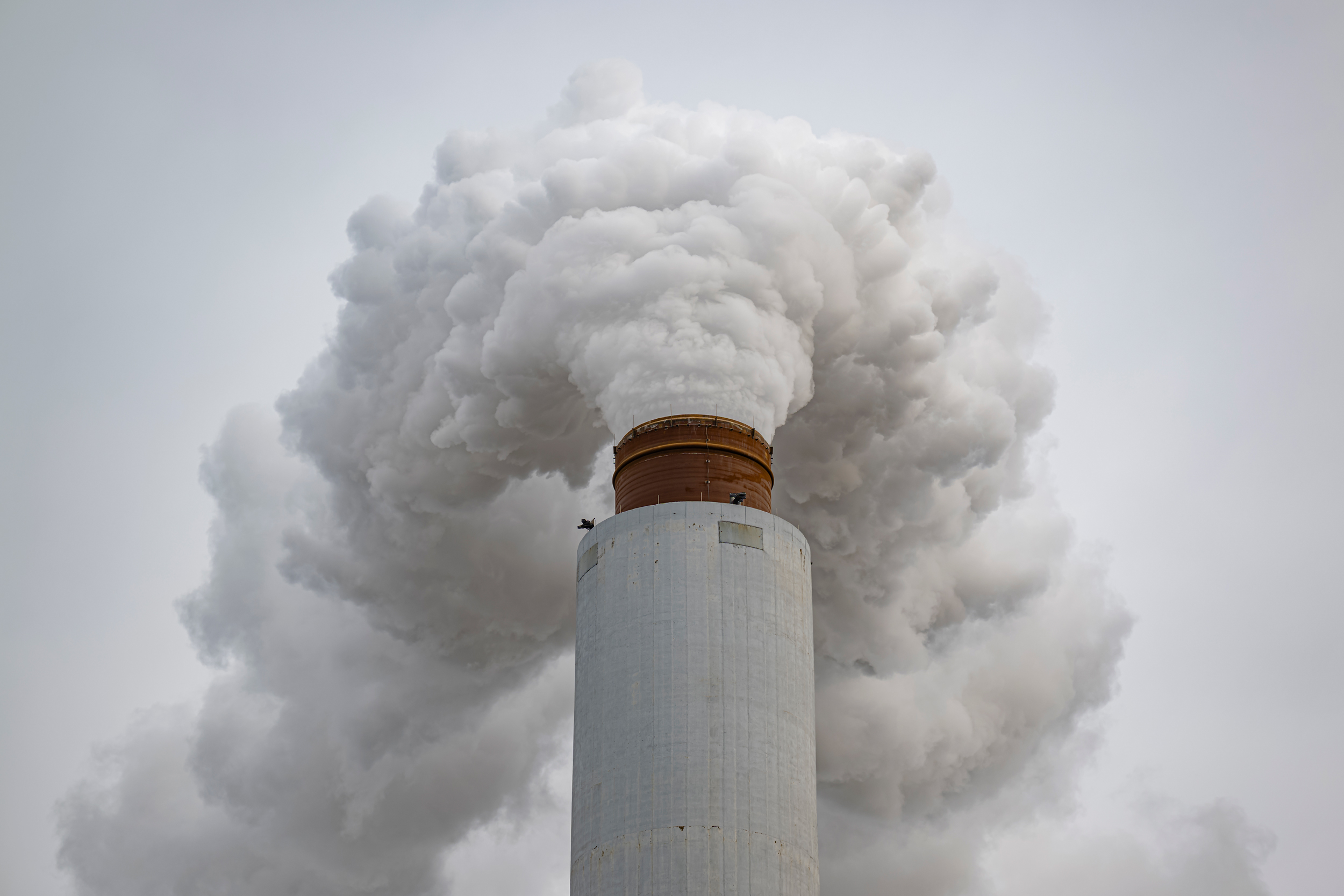
The Trump administration announced on Thursday that it will repeal most of a Biden‑era rule that capped greenhouse‑gas emissions from the nation’s power plants, the largest source of carbon dioxide in the United States. The Environmental Protection Agency said the decision would roll back the 2022 regulation that required coal, gas, and nuclear plants to cut emissions by up to 30 percent over a decade. The move comes after the United Nations Intergovernmental Panel on Climate Change (IPCC) warned that global temperatures are likely to reach “increasingly dangerous heights” this decade.
The change follows the hottest summer on record, when temperatures across the U.S. broke 100‑degree highs in Texas, Florida and California. Scientists say the heatwave is a clear sign that the planet is moving beyond the limits set in the Paris Agreement. The Biden rule was designed to curb the 4.5 billion metric tons of CO₂ that power plants emit each year, a figure that accounts for more than a third of U.S. greenhouse‑gas output. By removing the cap, the administration is effectively allowing the same level of emissions to continue unchecked, a step that climate experts say reverses progress made in the last four years.
Environmental groups and several states have already filed lawsuits against the EPA, arguing that the repeal violates federal law and threatens public health. The Department of Justice, however, has defended the decision as a necessary correction to what it calls “overreaching” federal authority. Industry lobbyists welcomed the rollback, citing the potential for lower operating costs and reduced regulatory burden for power producers. The Biden administration has said it will seek to strengthen emissions standards through other means, but the timing of the reversal signals a shift in federal climate policy priorities.
The ruling will likely trigger a wave of legal challenges that could reach the Supreme Court. In the meantime, the EPA is expected to roll out a new set of guidelines that will allow plant operators to determine their own emissions reductions, potentially delaying the adoption of cleaner technology. The decision has drawn sharp criticism from climate scientists, who warn that maintaining current emission levels could push global temperatures beyond the 1.5‑degree Celsius threshold. The reversal underscores a broader political divide over how aggressively the United States should address climate change, a debate that will shape the country’s environmental trajectory for years to come.
Read Full Story at Inside Climate News →