Scientists study 1.7-billion-year-old fossils in Canada, South Africa to understand life's origins.
Scientists are studying 1.7-billion-year-old fossils in Canada and South Africa to understand how simple microbial life evolved into complex organisms. This research could reshape our knowledge of li…
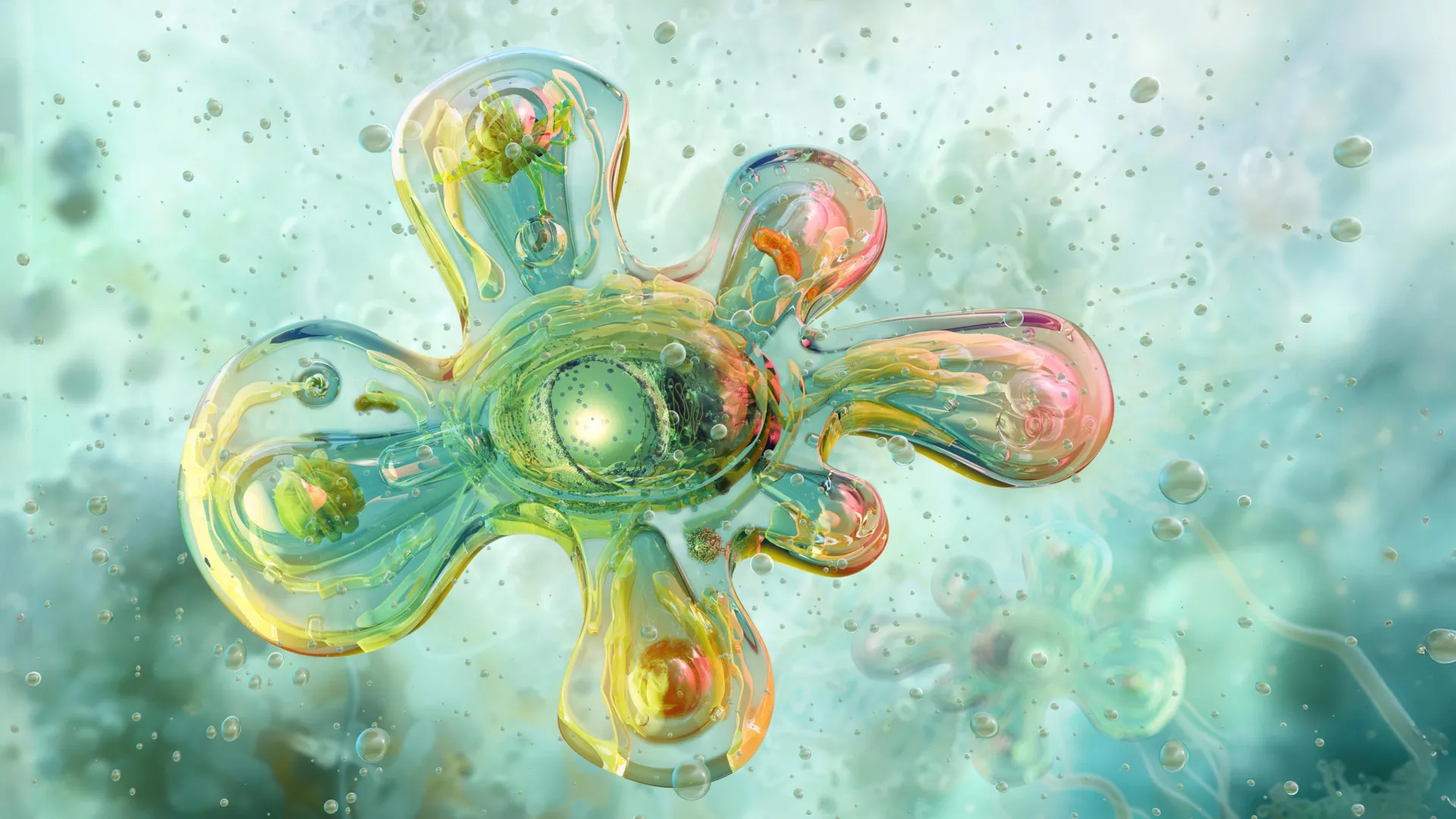
Scientists are examining some of Earth’s oldest rocks in search of tiny fossils that may provide insight into how simple microbial life evolved into complex organisms like plants and animals. This research is focused on fossils that are approximately 1.7 billion years old and are located in regions like Canada and South Africa. The findings could reshape our understanding of the origins of life on Earth and inform the search for life on other planets.
This pursuit is particularly timely as advancements in technology, such as improved imaging techniques and molecular analysis, allow researchers to study ancient rocks more effectively than ever before. Understanding the transition from simple to complex life is critical, as it could reveal the conditions necessary for such evolution to occur. This knowledge is not just academic; it holds implications for astrobiology, the study of potential life on other planets, and how we might identify habitable environments elsewhere in the universe.
The significance of these fossils lies in their potential to link simple, single-celled organisms to the rich tapestry of life we see today. Researchers believe that deciphering how these early life forms adapted and evolved could unveil fundamental biological processes. With estimates suggesting that complex life emerged roughly 600 million years ago, understanding this earlier period might fill in crucial gaps in our evolutionary history. Preliminary studies have already hinted at diverse microbial communities existing well before the Cambrian Explosion, which marked a rapid diversification of life.
Looking ahead, scientists will continue to analyze these ancient fossils and the geological conditions surrounding them. They aim to reconstruct the environmental factors that may have influenced the evolution of complexity in life forms. As they gather more data, the implications could extend beyond Earth, offering a broader understanding of how life might arise on other planets. This research not only enriches our knowledge of Earth’s biological history but also enhances our quest to find life beyond our own world.
Read Full Story at ScienceDaily →