Bentley's car first hits 100 mph in 1914
In 1914, W. O. Bentley’s 3.5-litre car became the first to reach 100 mph on a public road, proving high-performance cars were viable. This set the foundation for Bentley’s racing dominance and inspir…
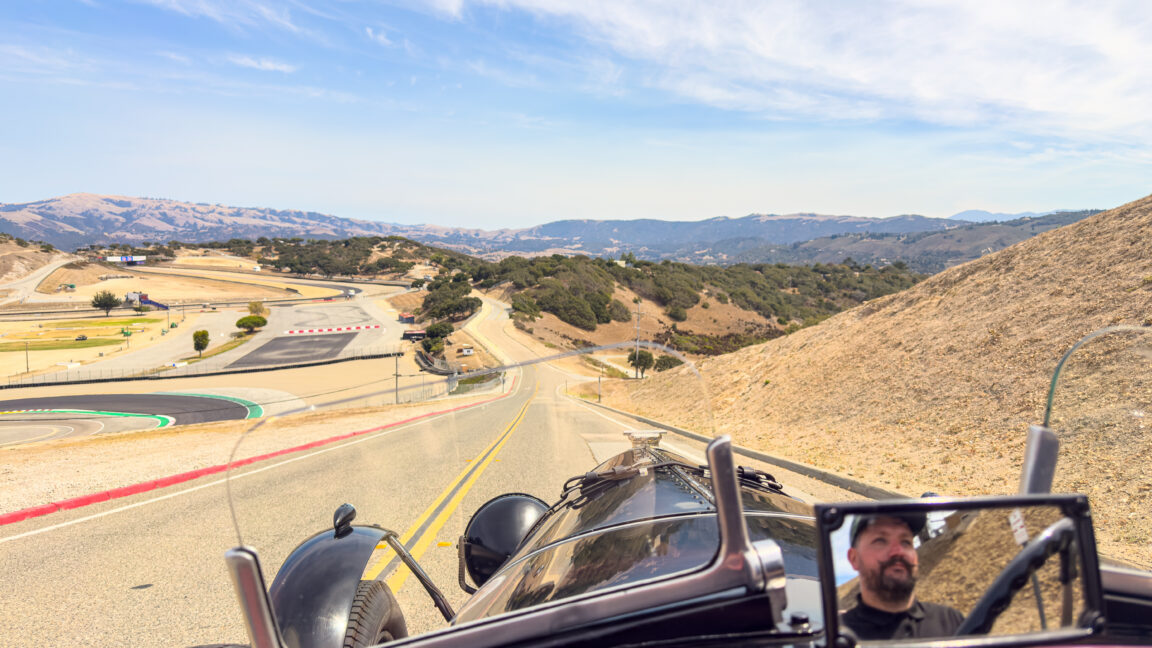
When the average car could only do 40 mph, this Bentley could break 100. In 1914, W. O. Bentley’s 3.5‑litre, four‑cylinder car hit a top speed of 100 mph, a feat that shocked the automotive press and set a new benchmark for performance. The record was set on a public road in England, and the news spread quickly to newspapers across Europe, where most vehicles were still limited to half that speed. Bentley’s achievement was not just a racing win; it was a declaration that engineering could push the limits of everyday road travel.
The early 1900s were a time of rapid experimentation in the automotive world. Manufacturers were still trying to prove that cars were more than novelty toys. Speed became a key marketing lever, and wealthy patrons would fund engineers to chase record times. W. O. Bentley, a former racing driver, had already built a reputation for reliability and performance. His 1914 model incorporated a high‑compression engine, lightweight chassis, and a 4‑wheel drive system that was ahead of its time. By breaking 100 mph, Bentley positioned his brand as a leader in engineering excellence, attracting attention from both the press and the wealthy elite who wanted the fastest cars.
The 100‑mph Bentley was not a one‑off. The company used the record as a springboard for future models, such as the 1920s “Bentley 3½‑ton” and later the iconic 4½‑ton, which dominated racing circuits and road tests for decades. The record also sparked a wave of competition: manufacturers like Mercedes, Rolls‑Royce, and later Alfa‑Romeo pushed their own engines to higher speeds. In the press, the 1914 feat was described as “a triumph of engineering” and “a sign that the future of motoring is not just about getting from point A to B, but doing it at an exhilarating pace.” The public’s fascination with speed grew, and the demand for high‑performance cars rose in tandem with the expanding road network.
Today, the legacy of that 100‑mph Bentley lives on in modern supercars. The concept of a car that can outpace its contemporaries remains central to brands like Ferrari, Lamborghini, and even the current Bentley models, which now routinely exceed 200 mph. The 100‑mph record set in 1914 also serves as a historical benchmark, reminding engineers that incremental advances in engine design, materials science, and aerodynamics can produce leaps in performance. As automotive technology shifts toward electric powertrains, the spirit of that early supercar—pushing the boundaries of speed while maintaining reliability—continues to inspire new generations of high‑performance vehicles.
Read Full Story at Ars Technica →