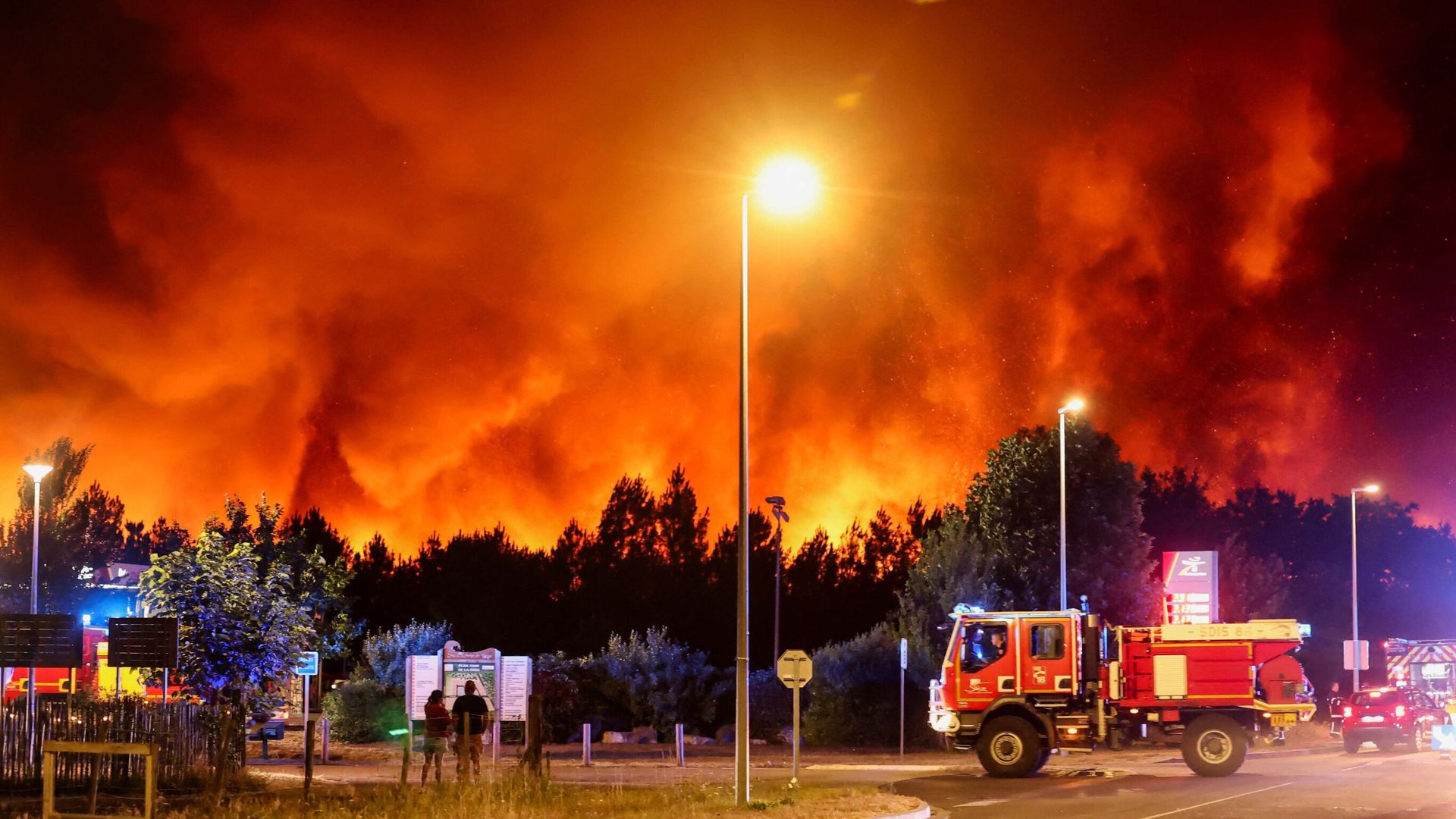
Experts warn of complacency despite quiet Atlantic hurricane season
This Atlantic hurricane season is on track to be one of the quietest on record due to cooler sea temperatures and increased wind shear, raising concerns about complacency in coastal communities. Expe…
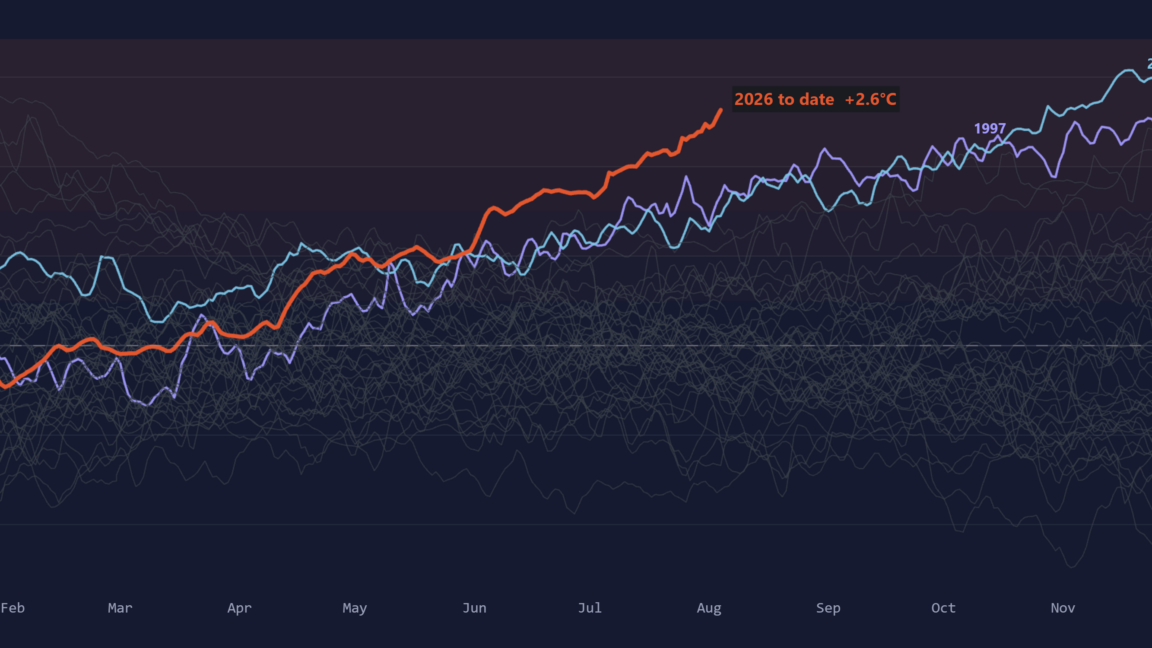
This Atlantic hurricane season is shaping up to be one of the quietest on record, with only a handful of storms forming so far. Meteorologists are noting that current models predict a significant reduction in hurricane activity, which is unusual given the typical patterns observed during this time of year. As of mid-October, only a couple of named storms have developed, a stark contrast to the more active seasons seen in recent years.
The current lull in hurricane activity can be attributed to a combination of factors, including cooler sea surface temperatures in the Atlantic and increased wind shear in the atmosphere. These conditions tend to inhibit the formation and intensification of storms. Additionally, the presence of a strong El Niño phenomenon is influencing weather patterns, leading to a less favorable environment for hurricanes. This is noteworthy because El Niño typically brings wetter conditions to the southern U.S. while suppressing hurricane development in the Atlantic.
Despite this apparent calm, experts warn that unusual weather patterns can have their own consequences. The models predicting a quiet season are "forecasting something outside the envelope of anything we have ever observed," indicating that while storms may be fewer, the potential for extreme weather events remains. As climate change continues to impact global weather systems, the unpredictability of storms could lead to sudden and intense weather conditions, even in years with fewer hurricanes.
Looking ahead, the remnants of this season's conditions could have lasting effects. A quieter hurricane season may provide temporary relief, but it also raises concerns about the long-term implications of climate change on storm patterns. Communities along the coast may become complacent, underestimating the risks of future storms once the weather shifts. As scientists continue to study these patterns, understanding the relationship between climate change and hurricane activity will be crucial for preparedness and response in the years to come.
Read Full Story at Ars Technica →