They're a world leader in using drones for healthcare. But drones can't do it all
A drone, just returned from a delivery, swings into the landing mechanism in Muhanga, Rwanda. The country's government has contracted with American robotics company Zipline to deliver emergency blood…

A drone, just returned from a delivery, swings into the landing mechanism in Muhanga, Rwanda. The country's government has contracted with American robotics company Zipline to deliver emergency blood through drones since 2016. Claire Harbage/NPR hide caption
MUHANGA, Rwanda — Noella Mukanoheli was nine months pregnant and bleeding out.
First, she made a 50-minute trip to the clinic that serves her village, riding on the back of a friend's motorbike. There was no doctor on staff so they called an ambulance to take her to the nearest hospital. It was only about 10 miles away but took two hours to get there because of the country's challenging roads.
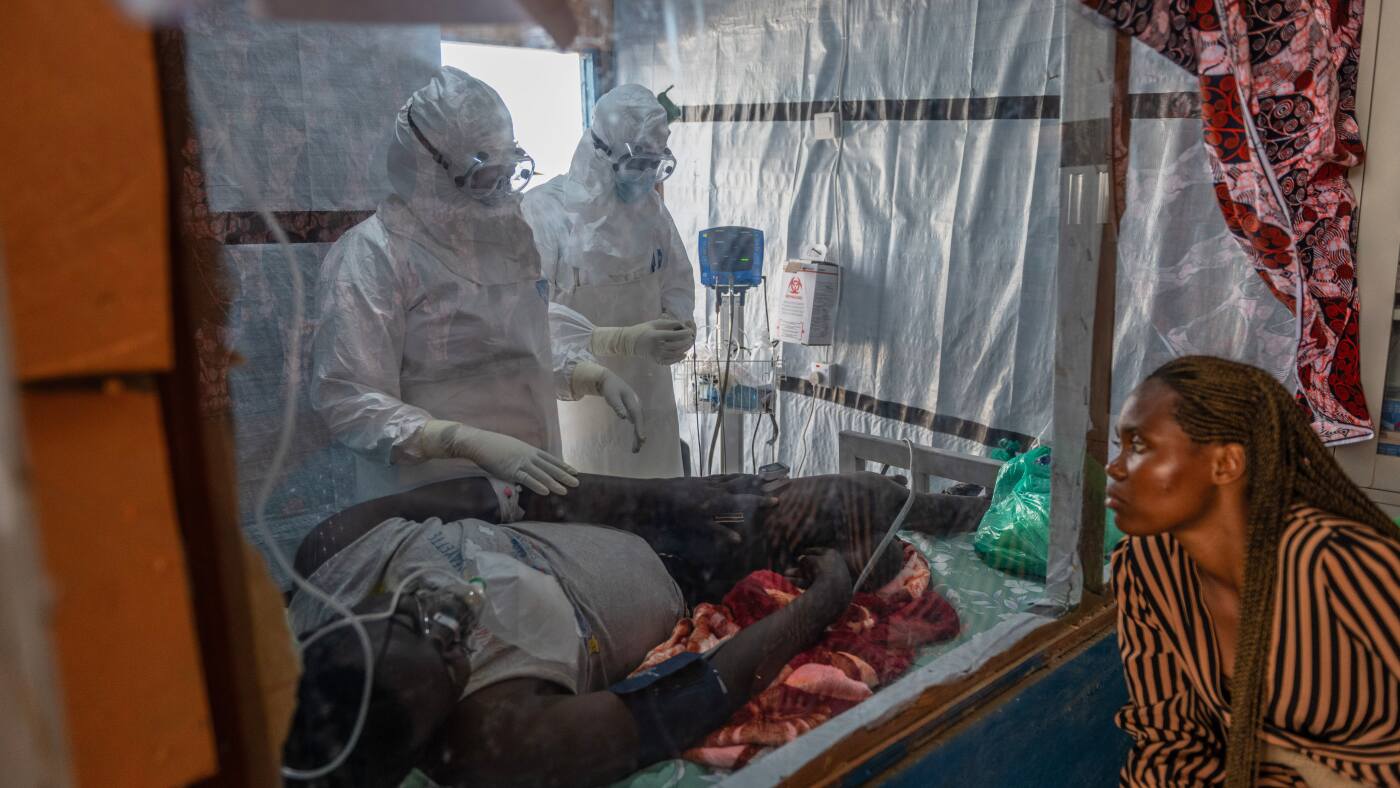
Her husband, who was with her, says she lost consciousness en route. When she arrived, doctors said she needed 5 liters of blood. That's considered a "massive transfusion" in medical terms — an emergency measure to replenish virtually all the blood in a human body.
But the hospital didn't have her blood type, so doctors had to order it.
The method of transport: two drones, which dropped their precious packages in the Muhanga hospital courtyard.
When Mukanoheli awoke hours later, her hand immediately went to her belly.
"My doctor said I had given birth and the baby was alive, but I would have died without the drone," says the 42-year-old, who experienced the traumatic event in April.
Read Full Story at NPR News →