Nepal launches rescue operations after deadly flooding traps workers in tunnels
Nepal is engaged in urgent rescue operations following catastrophic flooding that trapped workers in hydropower tunnels, resulting in significant loss of life and infrastructure damage. Concurrently,…

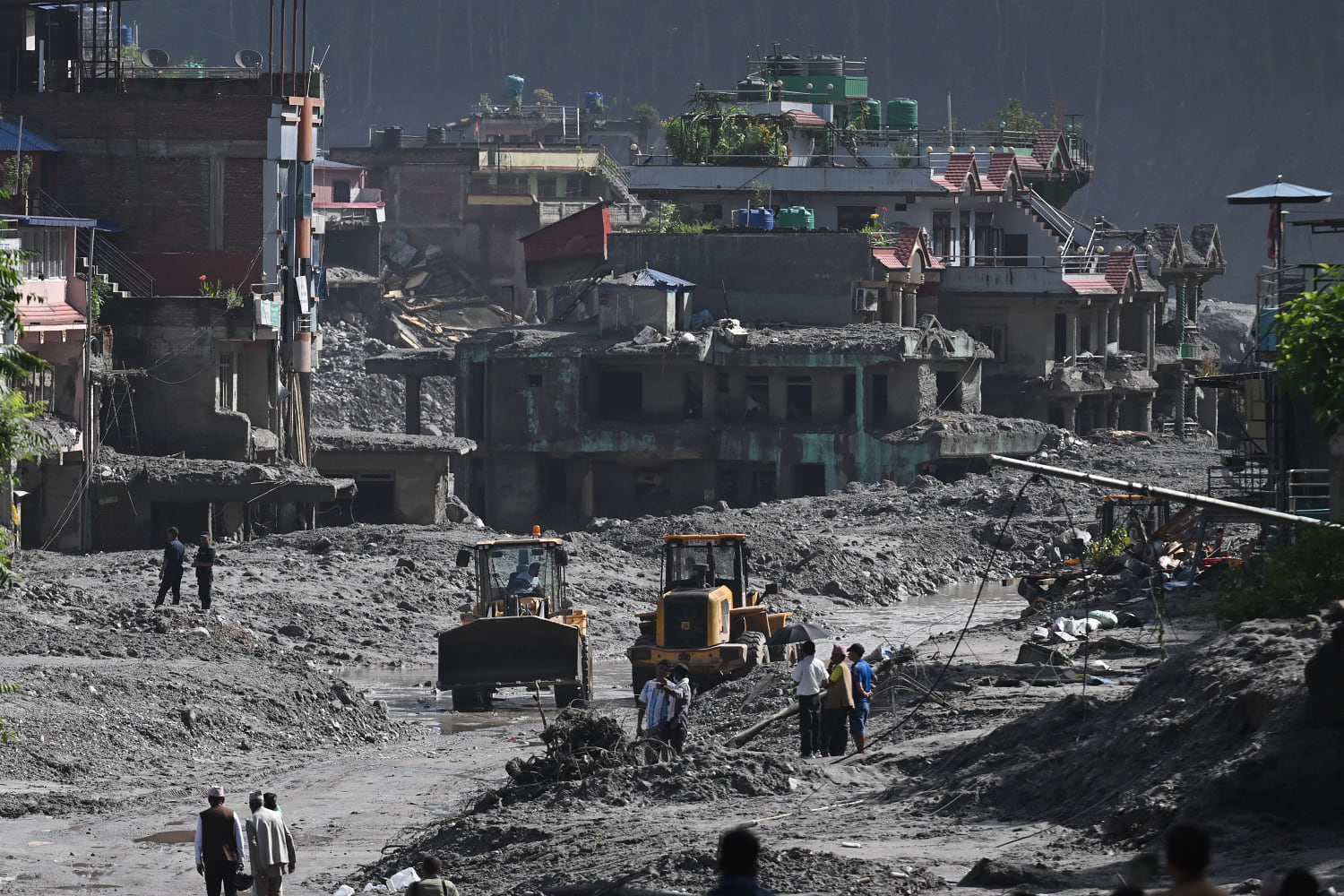
Nepal continues its desperate rescue operations following catastrophic flooding that trapped workers in hydropower tunnels on October 15. The flooding, caused by heavy monsoon rains, has led to significant loss of life and infrastructure damage across the region, prompting immediate efforts to locate and rescue those trapped underground. As of now, the search and recovery teams are racing against time, facing challenges such as unstable ground and ongoing adverse weather conditions.
This natural disaster comes at a time when Nepal is still grappling with the aftermath of the devastating 2015 earthquake and its effects on infrastructure and emergency preparedness. The region has been particularly vulnerable to flooding and landslides, which have been exacerbated by climate change. Local authorities are under pressure to improve disaster response systems, as repeated incidents have put communities at risk. The international community is also watching closely, as such disasters often require coordinated global support to effectively manage the aftermath and provide assistance.
In addition to the Nepal tragedy, the week has been marked by striking images from around the world, including crowds of women mourning victims of a U.S. airstrike that targeted a wedding in southern Iran. This incident has sparked outrage and calls for accountability, highlighting ongoing tensions in the region. The airstrike, which reportedly killed several civilians, has raised questions about U.S. military operations and their impact on innocent lives, further complicating efforts to navigate peace in the Middle East.
Looking ahead, the situation in Nepal is likely to evolve as rescue operations continue and recovery efforts begin. The government will need to assess the damage and develop plans for rebuilding infrastructure. Meanwhile, the international community is expected to respond with aid and support. In Iran, the fallout from the airstrike may lead to heightened tensions and potential protests. Both situations underscore the fragility of peace and stability in regions already struggling with disaster and conflict, highlighting the urgent need for humanitarian responses and long-term solutions.
Read Full Story at France 24 →