The real cause of most wildfires? People
Environment Story Of The Day NPR hide caption The Spokane Complex Fires have burned over 900 structures and over 10,000 acres in one of the biggest fires in Washington State history. Margaret Albaug…
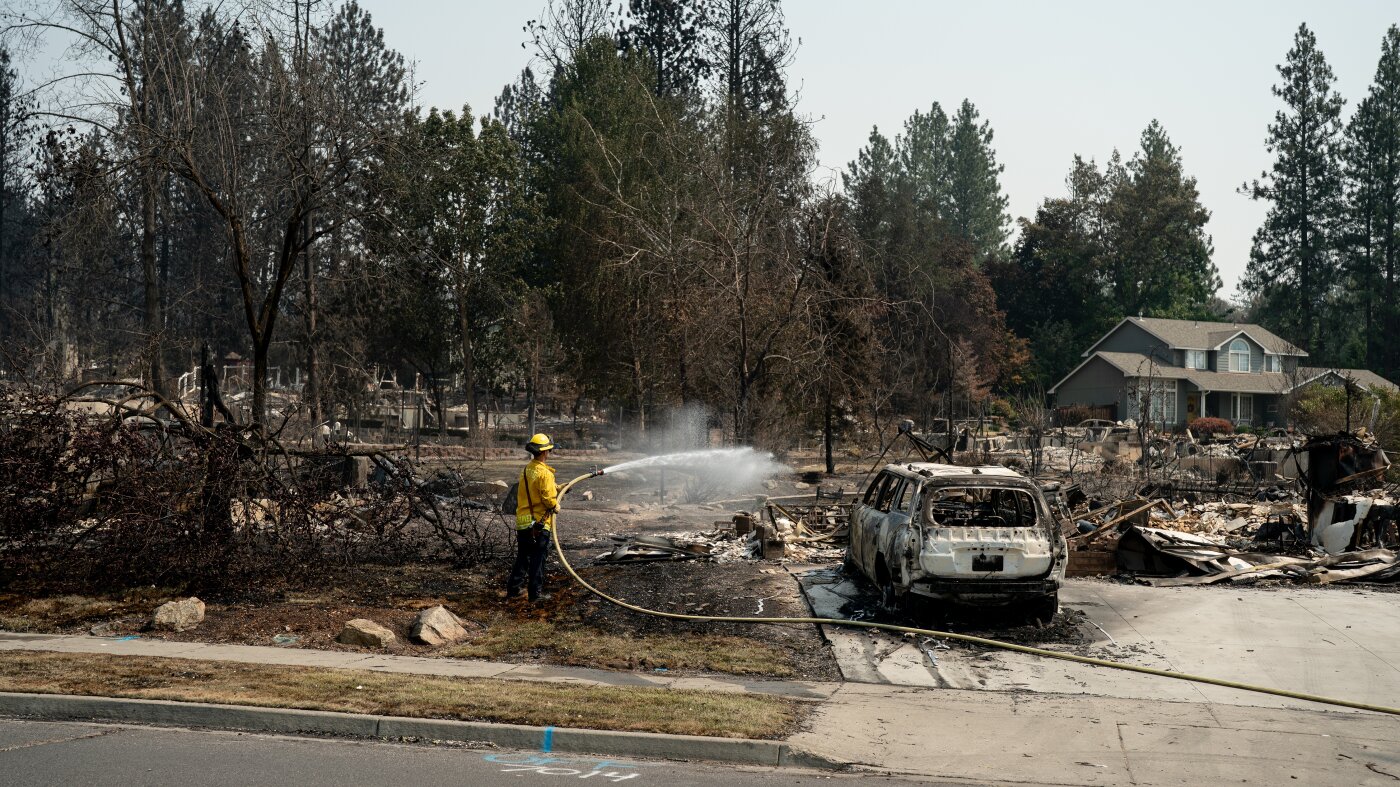
The Spokane Complex Fires have burned over 900 structures and over 10,000 acres in one of the biggest fires in Washington State history. Margaret Albaugh for NPR hide caption
The Hawk Fire that's been threatening Reno, Nevada is the latest destructive wildfire in the West in recent weeks that investigators believe was human-caused.
That moniker fits a larger pattern: Federal data show that more than three-quarters of all the wildfires in the U.S. tend to be started by people, whether through negligence such as a campfire that wasn't fully extinguished, a downed power line or deliberate arson.
"There are more people living in fire prone landscapes every year and every one of those people is a potential ignition source," says Kelly Pohl, a researcher at Headwaters Economics, a Montana-based think tank.
Recent studies in California show human-caused fires are almost always more dangerous than natural blazes: think of the power lines that ignited the deadly Eaton Fire in Los Angeles County or the Camp Fire in Paradise in rural northern California.
Federal data compiled by Headwaters Economics also show that arson, while generally trending downward since the 1990s, is still a big problem, too.
Authorities in Spokane, Washington arrested 37-year-old Aaron Farinacci for allegedly starting the Old Trails Fire in early August, which became one of the most destructive wildfires in that state's history.
Court documents show Farinacci later told police he started more than two dozen wildfires including Old Trails. Authorities say he watched fire weather apps and waited for conditions where he could do the most damage. That weekend there were dire warnings about extreme heat and wind across the Northwest.
Read Full Story at NPR News →