The pros and cons of flash memory
Flash memory is fast, compact and everywhere, but its biggest drawbacks have never completely disappeared. Though "flash memory" still brings to mind a USB stick swinging from a keychain, it's had q…
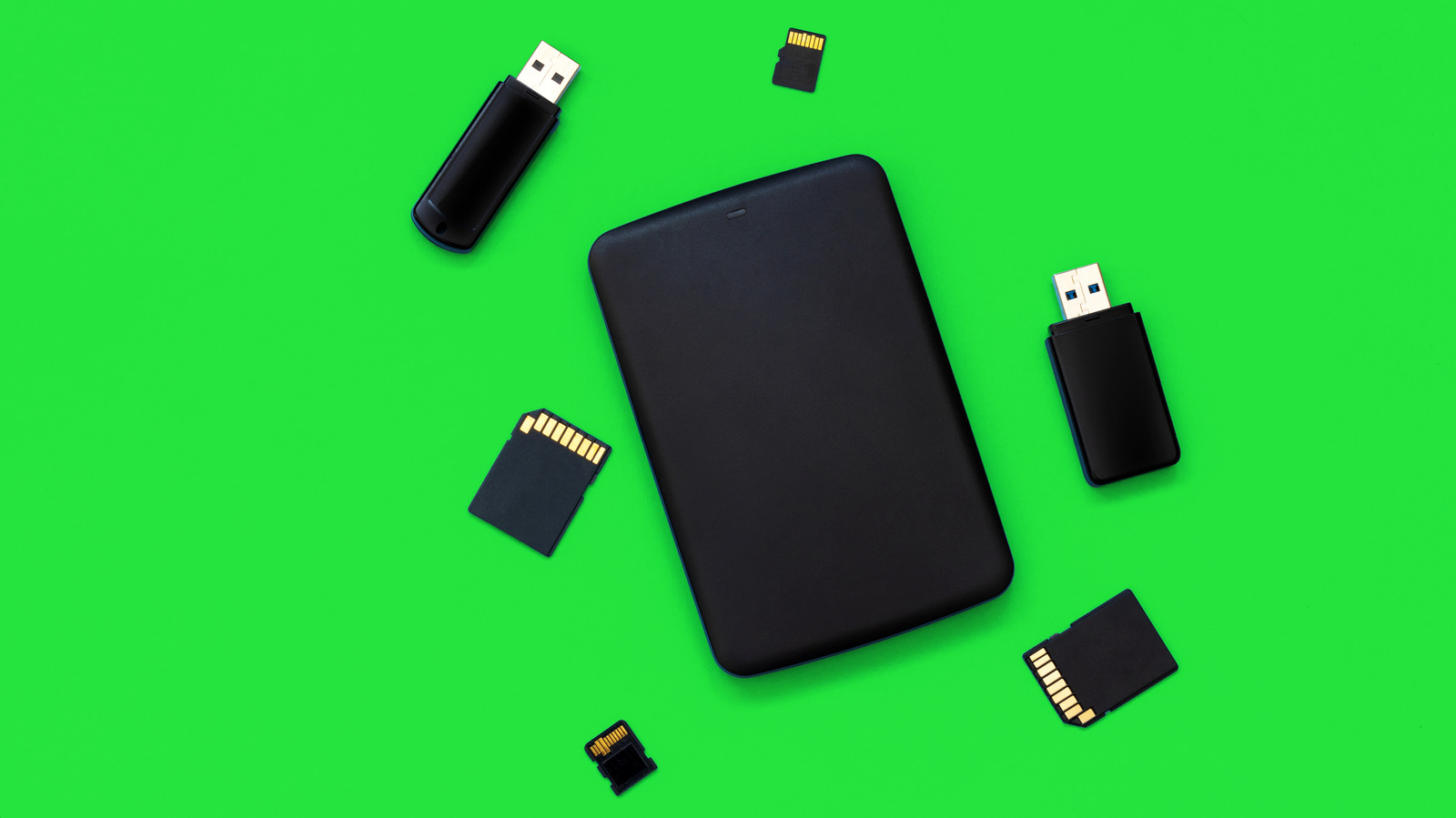
Flash memory is fast, compact and everywhere, but its biggest drawbacks have never completely disappeared.
Though "flash memory" still brings to mind a USB stick swinging from a keychain, it's had quite a promotional push since. NAND flash is used to store data in SSDs, smartphones, memory cards and many other gadgets because it retains data without power while packing a lot of storage into a small package.
It does have some baggage, though. Flash costs more per gigabyte than a hard drive, wears down as data is repeatedly written and erased and is nowhere near as fast as system RAM. Most of us don't notice it too much, as modern storage does a lot of work behind the scenes to clean up after the technology that it's built on.
Most high-capacity flash storage is NAND, in which memory cells store electrical charge in an insulated storage layer, and the various voltage states are interpreted as data.
Modern NAND squeezes considerably more out of that basic idea. 3D NAND stacks cells vertically rather than arranging them only across a flat plane, and TLC and QLC designs store three or four bits per cell. Both pack more storage into roughly the same space and reduce the cost per gigabyte.
Those gains made flash particularly well suited to portable electronics. Unlike a hard drive, an SSD doesn't have a spinning platter or mechanical read head, so it offers lower access latency, handles bumps better and fits ever-thinner devices. If you've upgraded an old PC to an SSD, you may remember the first boot afterward. All of a sudden, the computer doesn't require a motivational speech before opening Chrome.
That still doesn't make flash a replacement for RAM. System RAM is much faster and handles temporary working data, while NAND provides persistent storage. The term flash ROM is also misleading, as flash can be erased and rewritten.
Each NAND cell supports a limited number of program-and-erase cycles. Storing more bits per cell increases density and lowers cost, but it also narrows the electrical margin between data states. That's one reason QLC NAND typically offers lower endurance and performance than simpler designs.
Read Full Story at Engadget →