Polar vortex instability threatens severe winter weather in North America, Europe
The polar vortex is expected to become increasingly unstable, potentially leading to severe winter weather in North America and Europe due to climate change. This instability could result in record-b…
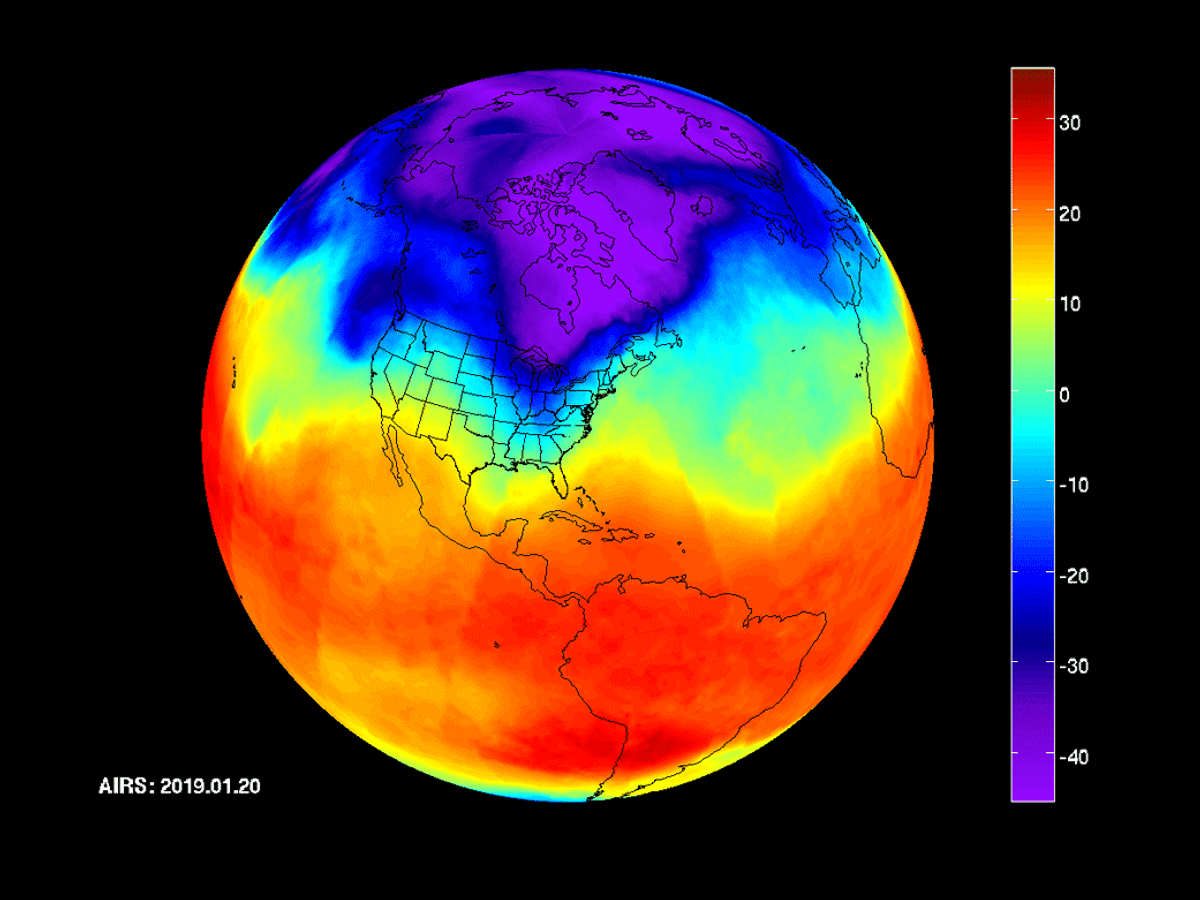
The polar vortex, a large area of low pressure and cold air surrounding the Earth's poles, is expected to become increasingly unstable in the coming weeks, according to meteorologists. This shift could lead to extreme winter weather across parts of North America and Europe. Experts describe the situation as alarming, with some in the climate community stating, “Everybody’s hair is on fire.”
This instability in the polar vortex is not a new phenomenon but has been exacerbated by climate change. As global temperatures rise, the jet stream, which helps to contain the polar vortex, is becoming wavier and more erratic. This allows cold Arctic air to spill southward, leading to sudden temperature drops and severe winter storms. The current forecast points to a potential breakdown of the polar vortex, which could trap frigid air over populated areas.
The implications of a disrupted polar vortex are significant. In previous years, similar events have led to record-breaking cold temperatures and heavy snowfall across the Midwest and Northeast United States. For example, in 2019, a polar vortex split resulted in temperatures plummeting to -30°F in some regions. This time, meteorologists are warning that the instability could bring not only cold weather but also increased precipitation, potentially resulting in ice storms and blizzards.
Moving forward, communities should prepare for unpredictable weather patterns. Utility companies and emergency services may need to bolster their resources as they anticipate increased demand during potential cold spells. Understanding the polar vortex's behavior is essential for adapting to future climate challenges. As the climate continues to change, the effects of such disruptions could become more frequent and extreme, impacting everything from agriculture to public health.
Read Full Story at Scientific American →