The iPhone Duo just might live up to the hype
Apple's foldable iPhone has arrived, finally, after almost 10 years of rumors . Given how late the company was to the foldable party, many were expecting a miss or at least something that failed to e…
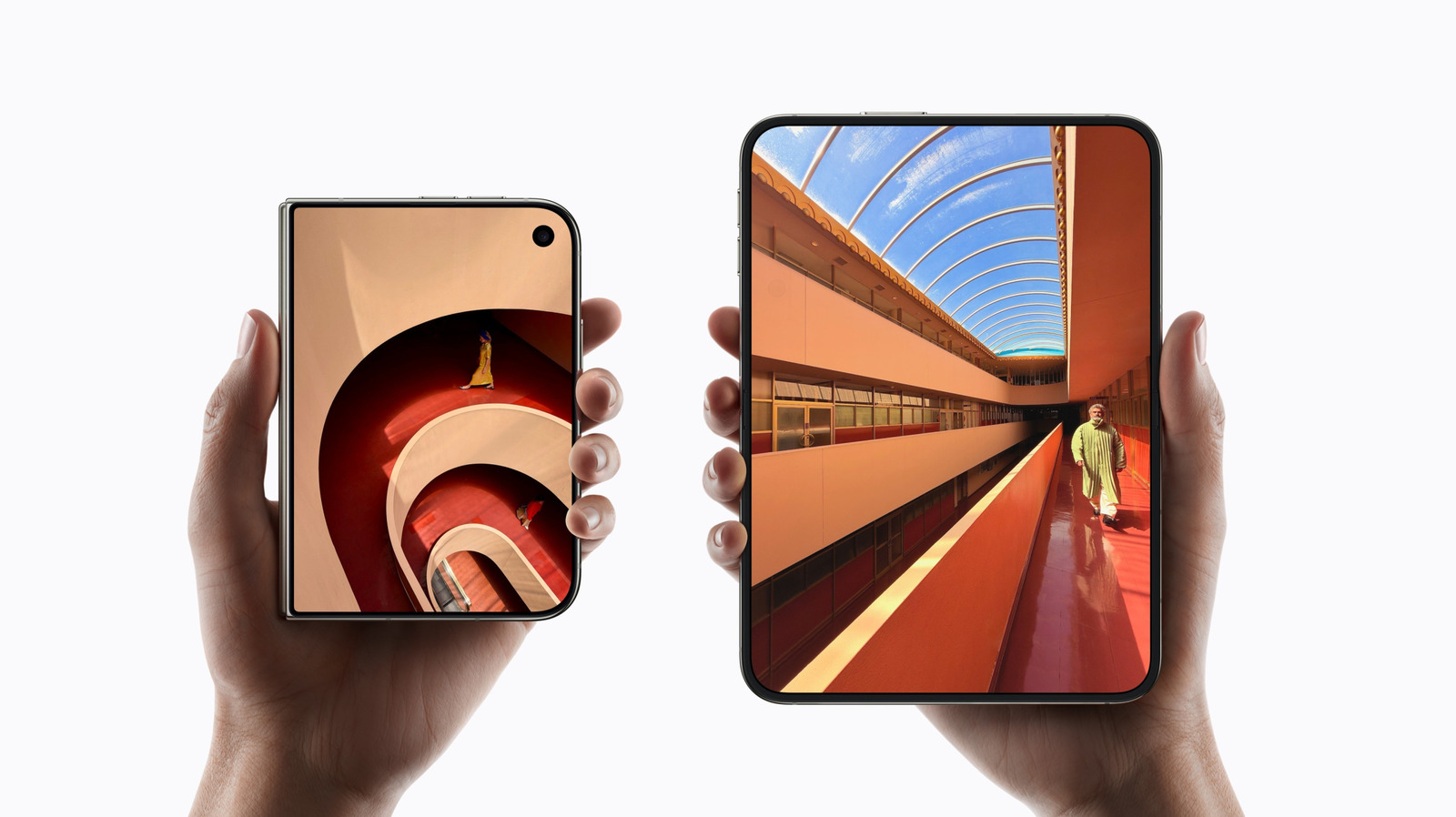
Apple's foldable iPhone has arrived, finally, after almost 10 years of rumors . Given how late the company was to the foldable party, many were expecting a miss or at least something that failed to excite. I think the iPhone Duo is hitting (mostly) all the right notes.
With foldables, the idea since the start was a tablet-sized screen that fits in your pocket. The best tablets are iPads, which is why the iPhone Duo matters — and not just for Apple. For the first time, the company that makes the best tablet is making a foldable.
At least with iOS 27, it's still mostly an iPhone experience, not an iPad one. Many of the features are the kind that we already expect from a foldable : app multitasking, more interface elements on the 7.6-inch inner screen and multi-camera FaceTime calls. The Duo also works with the Apple Pencil, a first for the iPhone.
But then there's that Apple touch: it does the obvious thing , and you wonder why no one else thought of it. With the iPhone Duo, Apple shifted the app dock to the side of the screen when it opens and did the same for menus. While the Galaxy Fold series has a similar feature, the Edge Panel is hidden away most of the time, housing tools and shortcuts like Now Brief and AI Select — things I use far less than core apps like Gmail or Messages.
Like Samsung's Galaxy Z Fold 8, the iPhone Duo's screens have a more unified aspect ratio — if not precisely identical, as the company claimed in the announcement. And while it doesn't magically solve interface design complexities and wrinkles, early hands-on videos and what Apple has shown so far suggest it all looks like the UI "fits" better: it looks tidier, with more visual continuity. I like how unfolding the iPhone Duo transplants the front display screen onto the right side of the foldable display, plus the glossy transition animation that brings the other screen into focus as you unfurl.
Other Apple touches are present throughout the hardware. The iPhone Duo's volume buttons are on the upper edge, so they're always in the same place regardless of which screen you use on the iPhone Duo. On the screens themselves, a nano-coating gives a matte finish that not only reduces reflections in harsh light but also helps obscure that foldable crease that companies and some die-hard phone fans are obsessed with. Why is Apple the first to do this?
I think the asymmetric front-screen design is charming, too. With two curved and two squared-off corners, it's like a notepad or a book and looks cute either way. Did Apple sneak in a return to skeuomorphism ? (Xiaomi beat Apple to the punch by a day, but its 18 Fold smartphone isn't launching globally.)
Perhaps the biggest surprise was that, despite the typical "Apple premium" and spiraling component prices, the company's first foldable will land at $2,000. I suspected it would be several hundred dollars more. This price puts it between foldable rivals like the Pixel 11 Pro Fold ($1,899) and the Galaxy Fold 8 Ultra ($2,100), and is $100 more than the launch price of the Galaxy Fold 8's launch price. That's not the Apple I'm used to. (History note: Samsung's debut Galaxy Fold cost $1,980 in 2019.)
Read Full Story at Engadget →