Great Pacific Garbage Patch alters ocean color, threatens marine ecosystems
The Great Pacific Garbage Patch is changing the ocean's color due to intensified blue and green hues caused by microplastics, which disrupt light scattering. This shift potentially affects marine eco…
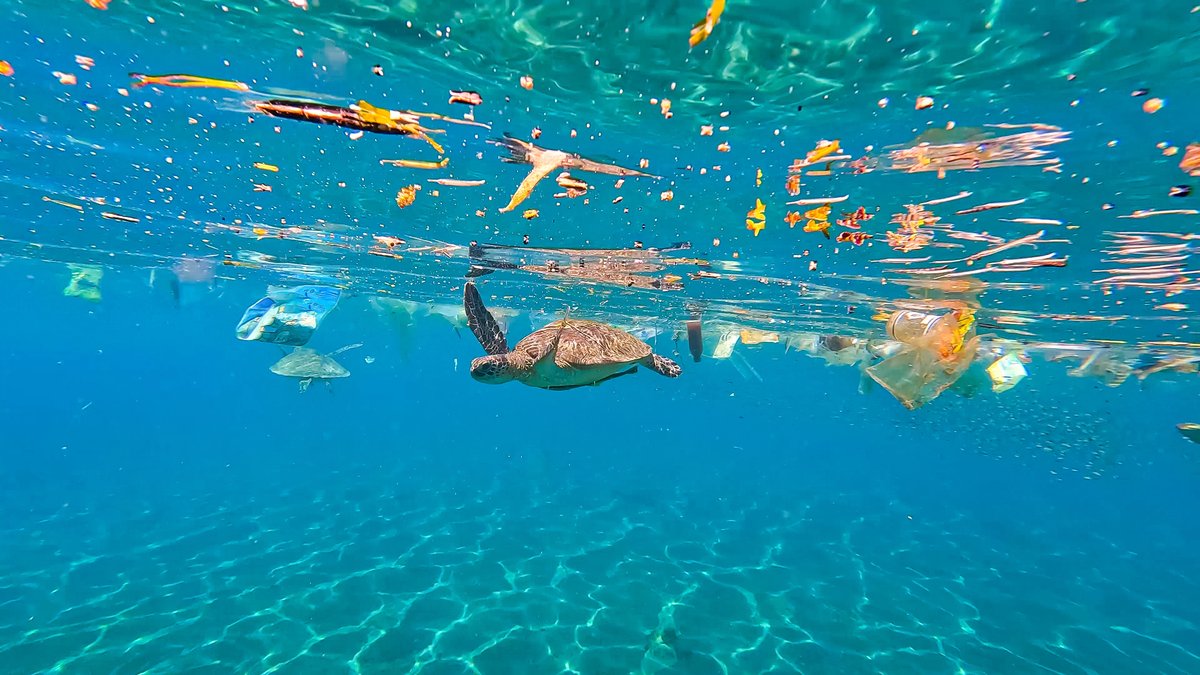
The Great Pacific Garbage Patch is altering the ocean's color, with satellite data revealing that the blue and green hues in the area have intensified over the past two decades. This change is attributed to the presence of microplastics and other debris that scatter light in unique ways, affecting the overall appearance of the water.
This phenomenon is significant because it indicates a shift in the marine ecosystem. The Great Pacific Garbage Patch, located between Hawaii and California, is a massive accumulation of plastic and other waste. As these materials break down into microplastics, they interact with sunlight and phytoplankton, potentially disrupting food chains and harming marine life. The brightening colors could signal changes in phytoplankton populations, which are crucial for carbon cycling and oxygen production in the ocean.
Research shows that heightened concentrations of microplastics lead to changes in ocean optics. These changes can have cascading effects on marine species that rely on specific light conditions for navigation and hunting. The increased brightness of the ocean could impact not just local ecosystems but also global climate patterns, as phytoplankton play a vital role in sequestering carbon dioxide.
Looking ahead, scientists are calling for more comprehensive studies to assess the long-term implications of these color changes. Understanding how pollution affects the ocean's appearance and ecology is crucial for conservation efforts. As awareness grows about marine pollution, there is hope that this knowledge will drive policy changes aimed at reducing plastic waste and protecting marine environments.
Read Full Story at Scientific American →