Surrogacy in Georgia is booming, but at what cost?
Three years ago, Olga, 40, and Daniel (both names changed to protect the their identities) from Hamburg decided to employ the services of a surrogate mother. But surrogacy is illegal in Germany, and …
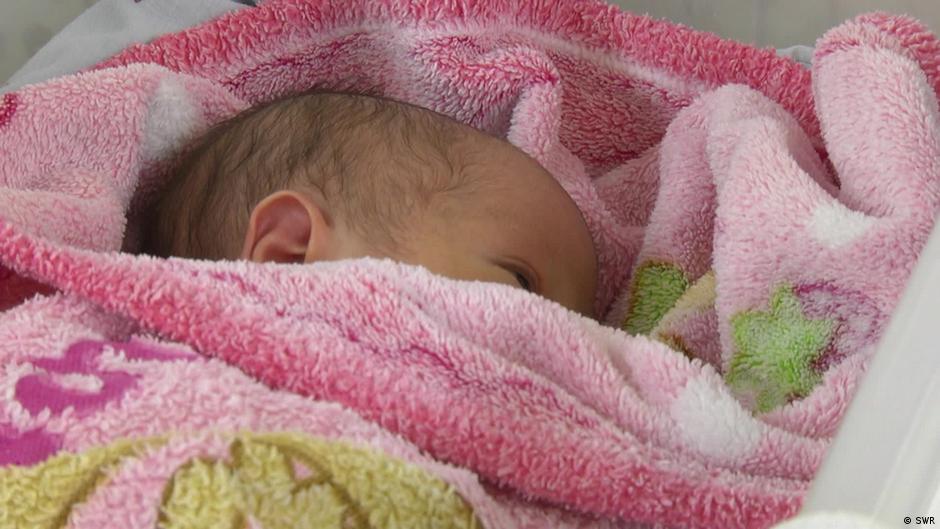
Three years ago, Olga, 40, and Daniel (both names changed to protect the their identities) from Hamburg decided to employ the services of a surrogate mother. But surrogacy is illegal in Germany, and people whose children are born through surrogacy must pursue the legal recognition of their parenthood in German courts.
Olga is a German citizen, but was born and raised in Russia . That's why the couple wanted to learn more about the surrogacy market in Russia. But foreign customers have been banned from signing Russian surrogacy contracts since 2022. After Russia's full-scale invasion of Ukraine , many international agencies that liaise between surrogates and intended parents moved to Georgia . So, Olga and Daniel traveled there.
In recent years, Georgia, a mountainous country in the Caucasus region, has become a sort of surrogacy hub, with women traveling from all over the world to work as surrogates. According to Georgia's Public Service Development Agency, over 3,000 surrogate mothers were registered in 2023 across the country. Since 2012, they've given birth to over 5,000 children.
Since the beginning of Russia's war in Ukraine, the number of children born to surrogate mothers has skyrocketed. While an estimated 300 surrogate mothers gave birth in 2021, that number leapt to over 1,100 by 2023.
Anastasia, 39, is a surrogate mother from Russia working in Georgia. She has a grown daughter and has already seen through three surrogate pregnancies. Her first was in 2021, which she used to finance a property down payment.
To view this video please enable JavaScript, and consider upgrading to a web browser that supports HTML5 video
Anastasia said she completed her first two surrogacies in Russia, and her third — for a Japanese couple, brokered through the branch office of a Moscow clinic — in Georgia. Like many surrogate mothers, she went home to Russia after the embryo was implanted, and returned to Georgia when she was 22 weeks pregnant.
"I live in an apartment with another surrogate mother who carried twins to term. This program was the easiest and most practical one for me, but maybe I just got lucky with the right clinic," Anastasia told DW. "Other women who gave birth in Georgia told me they had difficulties. For example, after giving birth, they had to wait a long time before they were paid." She said she's ready to become a surrogate mother again.
Read Full Story at DW World →