Supreme Court to rule on lawsuits against federal law enforcement officers
The U.S. Supreme Court is set to decide if federal law enforcement officers, including ICE agents, can be sued for violating constitutional rights in a case involving a former prison inmate's claims …
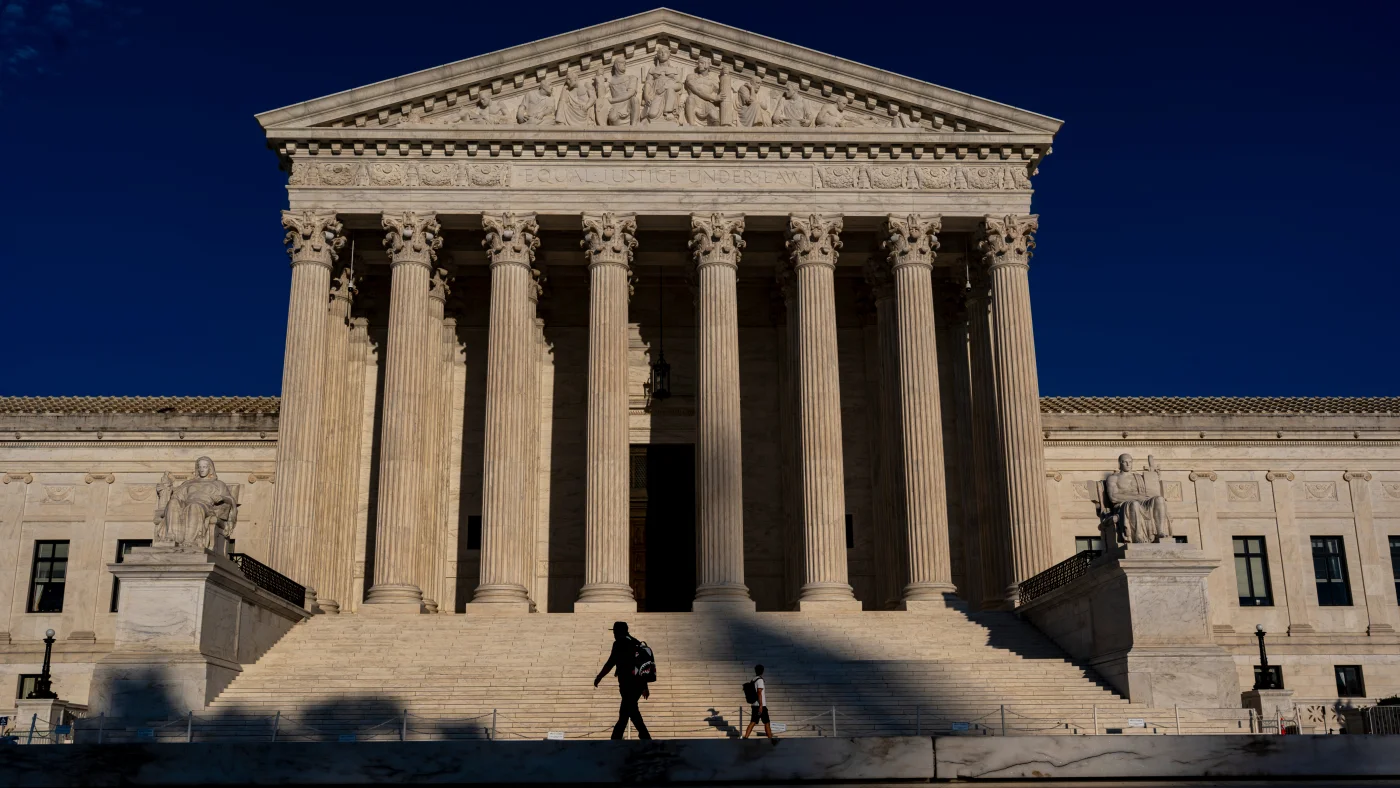
The U.S. Supreme Court will hear arguments on Monday, Oct. 1, in Washington, D.C., about a lawsuit filed by Kekai Watanabe, a former federal inmate in Hawaii who says a prison nurse ignored his severe back pain after a gang‑related assault. The case could determine whether federal law‑enforcement officers, including immigration agents, can be sued for violating clearly established constitutional rights.
Watanabe’s claim stems from a 2021 prison riot in which he was struck with a “lock in a sock” weapon and later diagnosed with a fractured coccyx. He sued the nurse for an Eighth Amendment violation, echoing a 1980 precedent in which a prisoner died from untreated asthma. The legal hurdle is steep: courts require the facts to match prior cases almost exactly. The nurse’s lawyers argue that Watanabe survived his injuries, unlike the earlier victim, and therefore his suit should be dismissed. The issue arrives as complaints against ICE officers have surged, with reports of beatings and vehicle‑ramming incidents prompting calls for greater accountability.
Legal scholars say the stakes are high. Georgetown law professor Steve Vladeck, who filed a friend‑of‑the‑court brief, warned that the decision will signal whether the nation will hold federal officers to account for constitutional breaches. Mary Hampton Mason, a veteran of the Justice Department’s claims office, described rogue officers as rare but pointed to systemic problems rooted in agency culture and training. She noted that the Supreme Court’s 1971 Bivens doctrine, which created a right to sue federal officials, has been eroded; in the past two decades only one Bivens case survived appeal out of thousands filed. Civil‑rights attorney Gregory Cui countered that even limited victories matter, as damages can fund medical care, rebuild lives, and deter future misconduct.
If the justices uphold or expand Bivens, federal agents could face personal financial liability, potentially reshaping how agencies train and supervise staff. A reversal, however, would leave victims to rely on internal investigations and settlements, which critics say lack transparency. The Court’s ruling is expected later this year and will likely influence ongoing litigation against ICE and other federal law‑enforcement bodies, setting a precedent for how the nation balances security duties with constitutional protections.
Read Full Story at NPR Politics →