New York and West Bank groups build public sukkot
Sukkot’s seven-day celebration of building temporary booths highlights how vulnerability can coexist with strength. This practice fosters communal solidarity, demonstrated by public sukkah projects i…
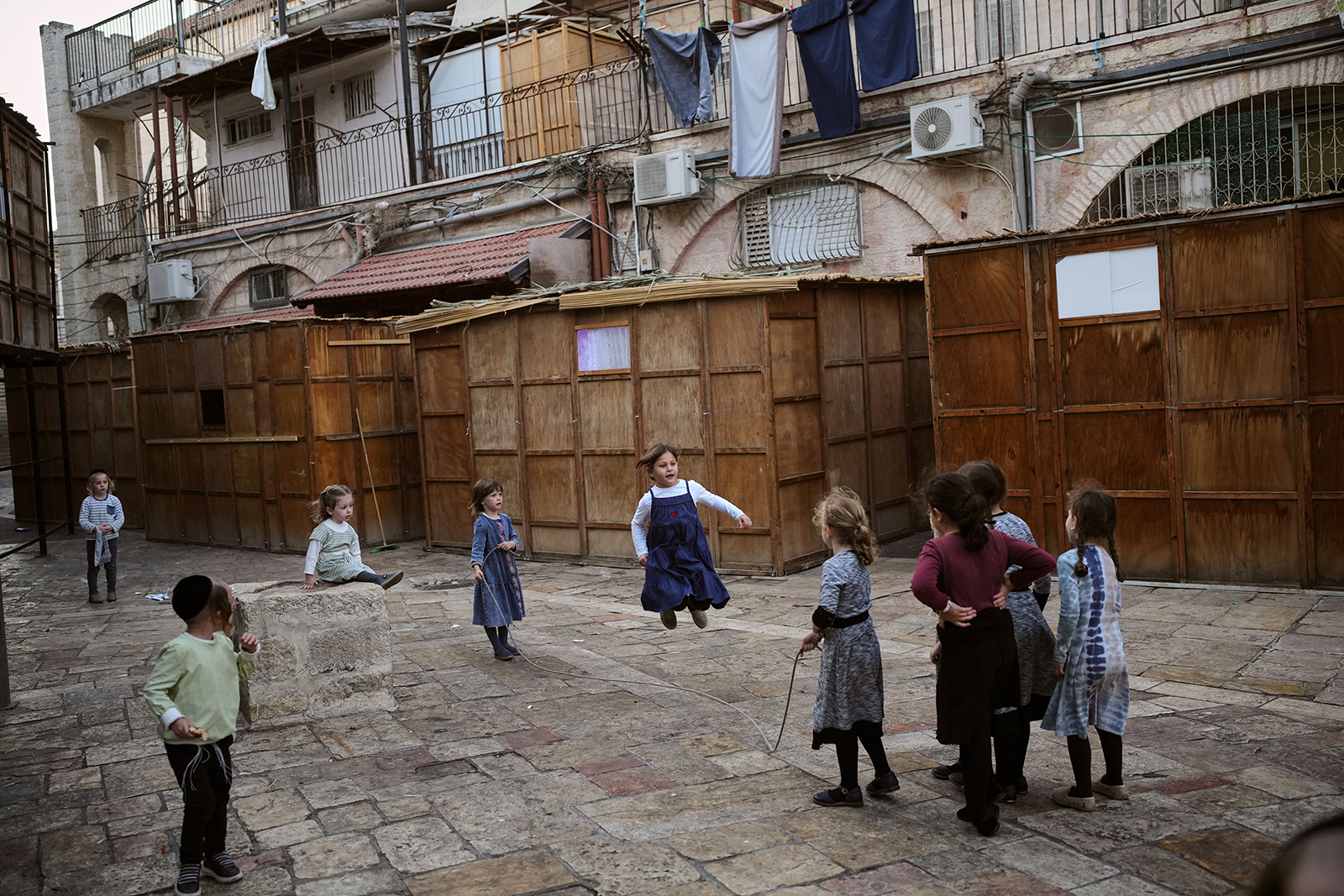
Sukkot, the Jewish festival of booths that begins on the 15th of Tishrei, has drawn attention this year as a quiet reminder that vulnerability can coexist with strength, according to a recent piece in the Religion News Service. The holiday, which lasts seven days, calls for the construction of a sukkah—a temporary dwelling with a roof made of natural materials—inside which families eat meals and sometimes sleep. In a world where many seek permanence and control, the sukkah’s impermanence signals a different kind of security.
The timing of this reflection is no accident. As temperatures drop across the Northern Hemisphere and the first hints of winter appear, people are already thinking about shelter and safety. In the United States, the last week of September sees a surge in holiday sales for outdoor furniture and insulation, while in Israel, the autumn rains begin to shape the landscape for the festival. For many, building a sukkah is a way to connect with the past, when people lived in temporary homes and relied on communal support. The act of gathering the materials, assembling the walls, and placing the roof over a space that will be lived in for a week creates a tangible reminder that life is fragile but also resilient.
The RNS article notes that this year’s celebrations have taken on added significance for several communities. In New York City, the Jewish Federation of Greater New York has opened 12 sukkahs in public parks to welcome residents who cannot build their own. In the West Bank, a group of volunteers has erected a sukkah in a refugee camp, turning a temporary shelter into a place of hope. These projects illustrate how the sukkah can become a symbol of solidarity, inviting people to share resources and to acknowledge shared vulnerability.
Looking ahead, the festival will continue to prompt reflection on the balance between risk and safety. Local synagogues are planning educational sessions that explain the historical roots of Sukkot, emphasizing how the practice of living in a temporary structure teaches humility and reliance on community. As the season moves toward the colder months, the sukkah’s lesson—that we can be vulnerable without falling—will likely resonate beyond the Jewish community, offering a broader message about resilience in the face of uncertainty.
Read Full Story at Religion News Service →