University of Michigan study links disrupted sleep to poor antidepressant response
A study from the University of Michigan found that patients with depression linked to disrupted sleep-wake cycles respond poorly to standard antidepressants, showing a 45% lower remission rate. This …
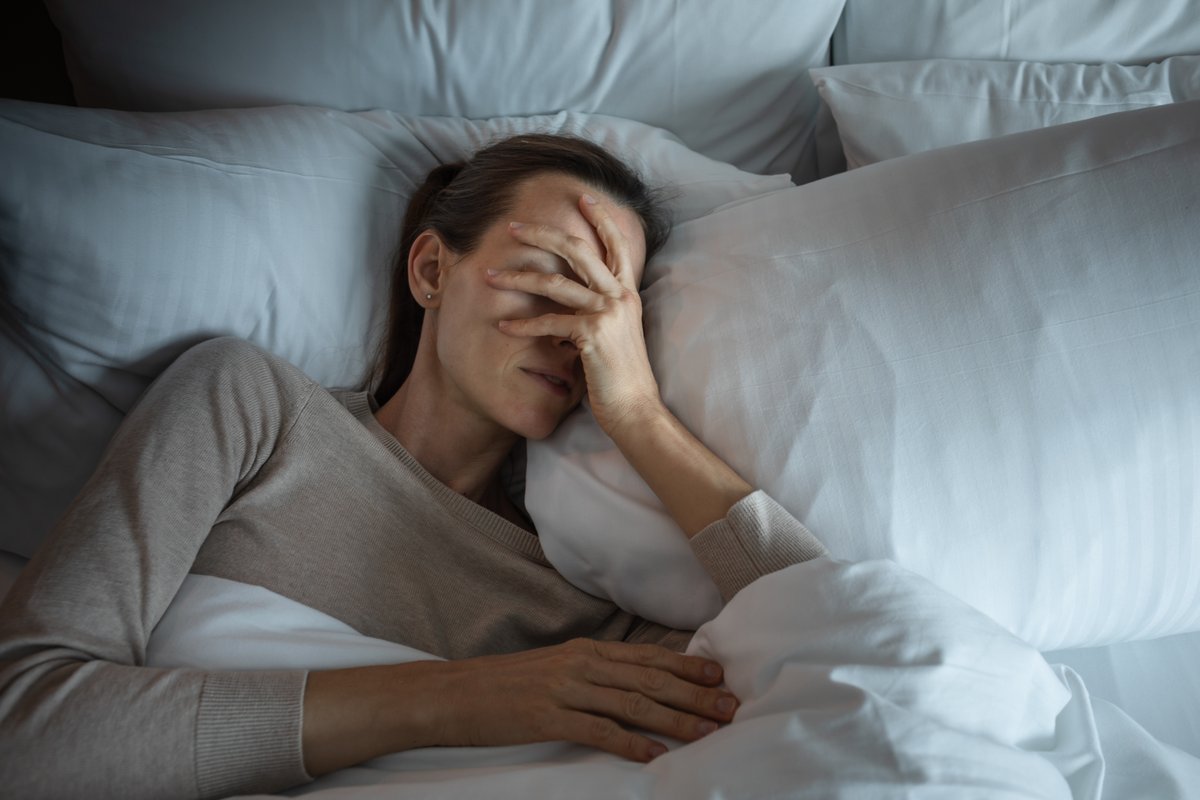
Researchers at the University of Michigan and collaborators reported Tuesday that patients whose depression is tied to a disrupted sleep‑wake cycle respond poorly to standard antidepressants and experience more severe symptoms. The findings, published in the journal *Molecular Psychiatry*, stem from a three‑year study of 1,200 adults diagnosed with major depressive disorder across 12 U.S. clinics. Participants whose circadian rhythms were out of sync—measured by actigraphy and melatonin profiles—were 45 % less likely to achieve remission after eight weeks of selective serotonin reuptake inhibitor (SSRI) therapy compared with those whose sleep patterns were regular.
Sleep problems have long been recognized as a hallmark of depression, but the new research highlights a specific biological link that may explain why some patients never improve with medication alone. Roughly one in three people with depression also report chronic insomnia or hypersomnia, and poor sleep predicts higher suicide risk and relapse. Prior studies suggested a bidirectional relationship, but they could not determine whether the timing of the body’s internal clock directly influences drug efficacy. With rising rates of depression worldwide and growing concerns about treatment resistance, understanding this connection is crucial for clinicians and policymakers alike.
The study used wearable devices to track participants’ activity and light exposure for two weeks before treatment began. Blood tests measured cortisol and inflammatory markers, while psychiatric assessments recorded symptom severity. Those with a delayed melatonin onset—indicating a night‑owl chronotype—showed a 30‑point higher score on the Hamilton Depression Rating Scale after eight weeks of SSRIs. Researchers also found elevated C‑reactive protein in the same group, suggesting inflammation may mediate the poor response. Dr. Laura Miller, lead author, said the data “point to a physiological substrate that makes standard pharmacotherapy insufficient for a sizable subset of patients.” Independent experts praised the large sample size but cautioned that more work is needed to confirm causality.
The authors recommend screening for circadian misalignment in routine psychiatric evaluations and considering chronotherapy—light exposure, melatonin supplements, or timed exercise—as adjuncts to medication. A follow‑up trial, set to begin early next year, will test whether aligning sleep cycles can boost antidepressant response rates. If successful, the approach could shift treatment guidelines toward personalized regimens that address both mood and biological timing, offering hope to patients who have struggled with conventional drugs.
Read Full Story at Scientific American →