EU's Marta Kos cancels Serbia visit over Ratko Mladić glorification concerns
The European Union's Enlargement Commissioner Marta Kos canceled her visit to Serbia due to concerns over the country's glorification of convicted war criminal Ratko Mladić, who played a key role in …
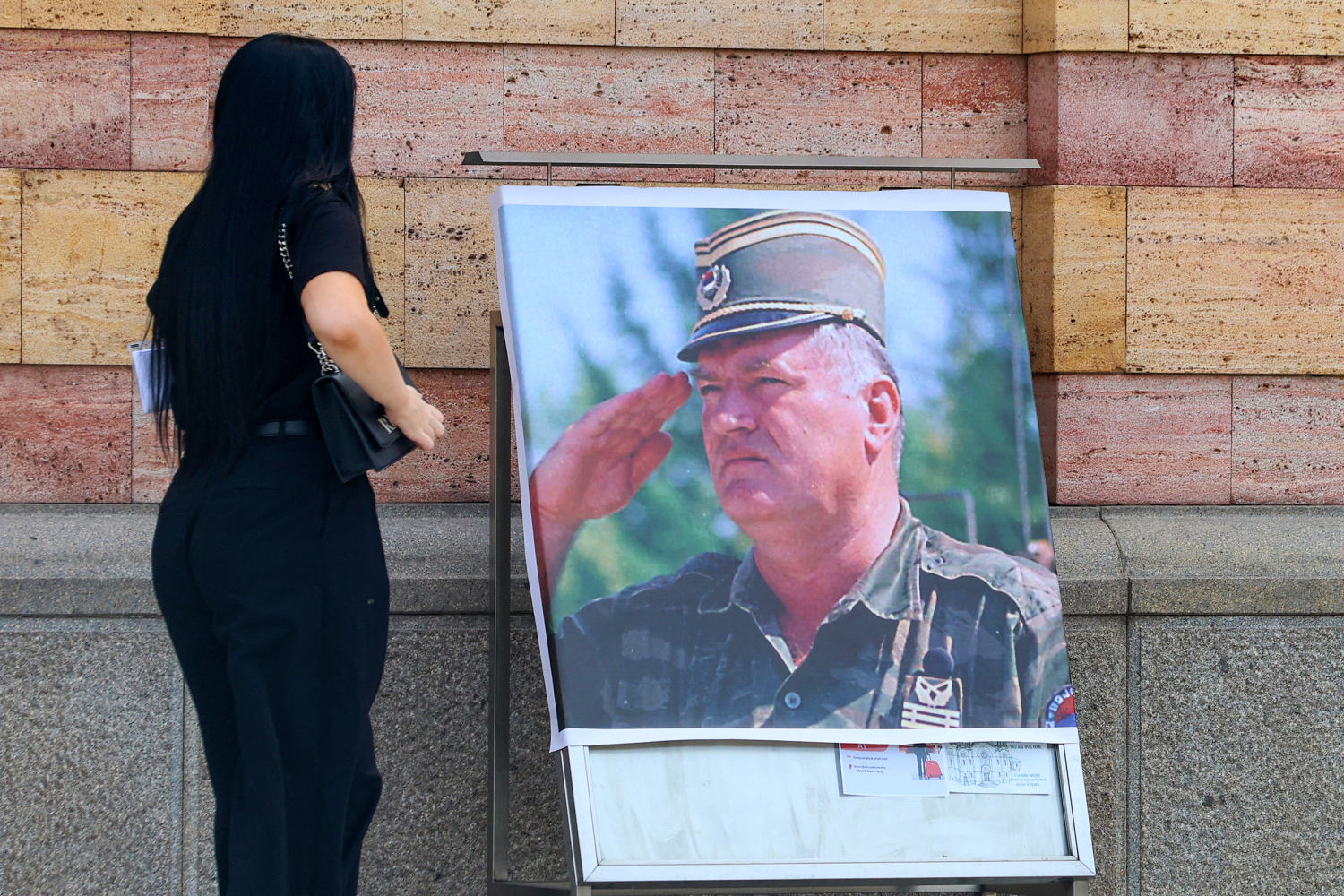
The European Union’s Enlargement Commissioner Marta Kos canceled a planned visit to Serbia on Friday, citing concerns over the “glorification” of Ratko Mladić, the former Bosnian Serb army commander who died earlier this week. Mladić was convicted of war crimes, including genocide, for his role in the Bosnian War, particularly the Srebrenica massacre in 1995, which resulted in the deaths of more than 8,000 Bosniak men and boys. His legacy remains deeply polarizing, with some in Serbia viewing him as a hero, while many others see him as a symbol of ethnic violence and hatred.
Kos's decision comes amid rising tensions in the Balkans, where nationalist sentiments and historical grievances continue to shape political landscapes. The EU has been pushing for Serbia to align with its values of democracy and human rights, especially as Serbia seeks membership. The glorification of figures like Mladić undermines these efforts, highlighting a rift between Serbia's aspirations for EU integration and the realities of its political environment. Kos's visit was intended to reinforce the EU’s commitment to this process, making her cancellation a significant diplomatic rebuke.
Public reactions in Serbia have been mixed. Some citizens and officials have openly mourned Mladić, citing his role in defending Serb interests during the war. Conversely, human rights advocates and many Bosnians view such sentiments as a dangerous revival of nationalism that threatens regional stability. The EU has expressed its growing concern over the rise of such nationalist rhetoric across the region, which complicates ongoing reconciliation efforts and peace-building.
Moving forward, the EU may impose additional pressures on Serbia to confront its past and promote a more inclusive narrative. This incident could stall Serbia's EU accession talks, which have already faced delays. The situation will be closely monitored by both EU officials and regional leaders, as they navigate the complex legacy of the Yugoslav Wars. How Serbia handles the legacy of figures like Mladić will be crucial for its future relations with the EU and broader regional stability.
Read Full Story at NBC News →