Scientists reveal Denisovan appearance from ancient bones in China
Scientists have uncovered new evidence about Denisovans from bones found in a Chinese cave, revealing their robust features and suggesting they inhabited a wider geographic range than previously beli…
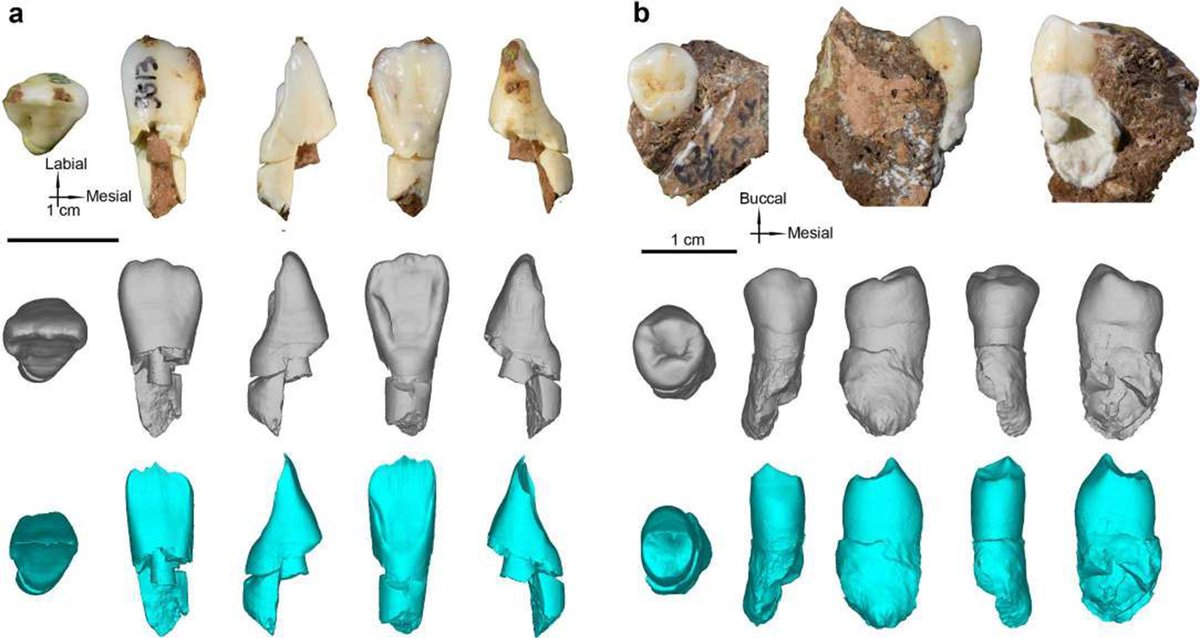
Scientists have discovered new insights into the appearance and lifestyle of Denisovans, an enigmatic group of ancient humans, through an analysis of bones found in a cave in China. The findings, which date back more than 130,000 years, highlight the unique characteristics of this species, further illuminating our understanding of human evolution.
Denisovans were first identified in 2010 from a single finger bone found in Denisova Cave in Siberia. Since then, researchers have unearthed more remains and artifacts linked to this group. Unlike Neanderthals and early modern humans, Denisovans are less understood, largely due to the sparse fossil record. The recent discovery in China not only adds to the existing body of evidence but also suggests that Denisovans may have inhabited a broader geographic range than previously thought, indicating their adaptability in varying environments.
The analysis revealed distinct features of Denisovan bones, suggesting they were robust and well-adapted for survival in harsh climates. Genetic studies have shown that Denisovans interbred with both Neanderthals and early modern humans, which has implications for understanding the genetic diversity of contemporary populations. Some modern humans, particularly those in Asia and Oceania, carry Denisovan DNA, which is linked to traits such as immune response and altitude adaptation.
Looking ahead, researchers plan to conduct further studies on the newly discovered bones to gather more data on Denisovan morphology and behavior. This could reveal more about their social structures, diet, and interactions with other hominins. Understanding Denisovans is crucial not only for piecing together the human family tree but also for comprehending how ancient humans adapted to their environments, informing current discussions on human adaptability in the face of climate change.
Read Full Story at Scientific American →