Researchers discover liver regeneration failure in alcohol-related disease patients
Researchers have found that even after quitting drinking, individuals with alcohol-related liver disease may struggle to heal due to trapped liver cells in a state of regeneration failure caused by i…
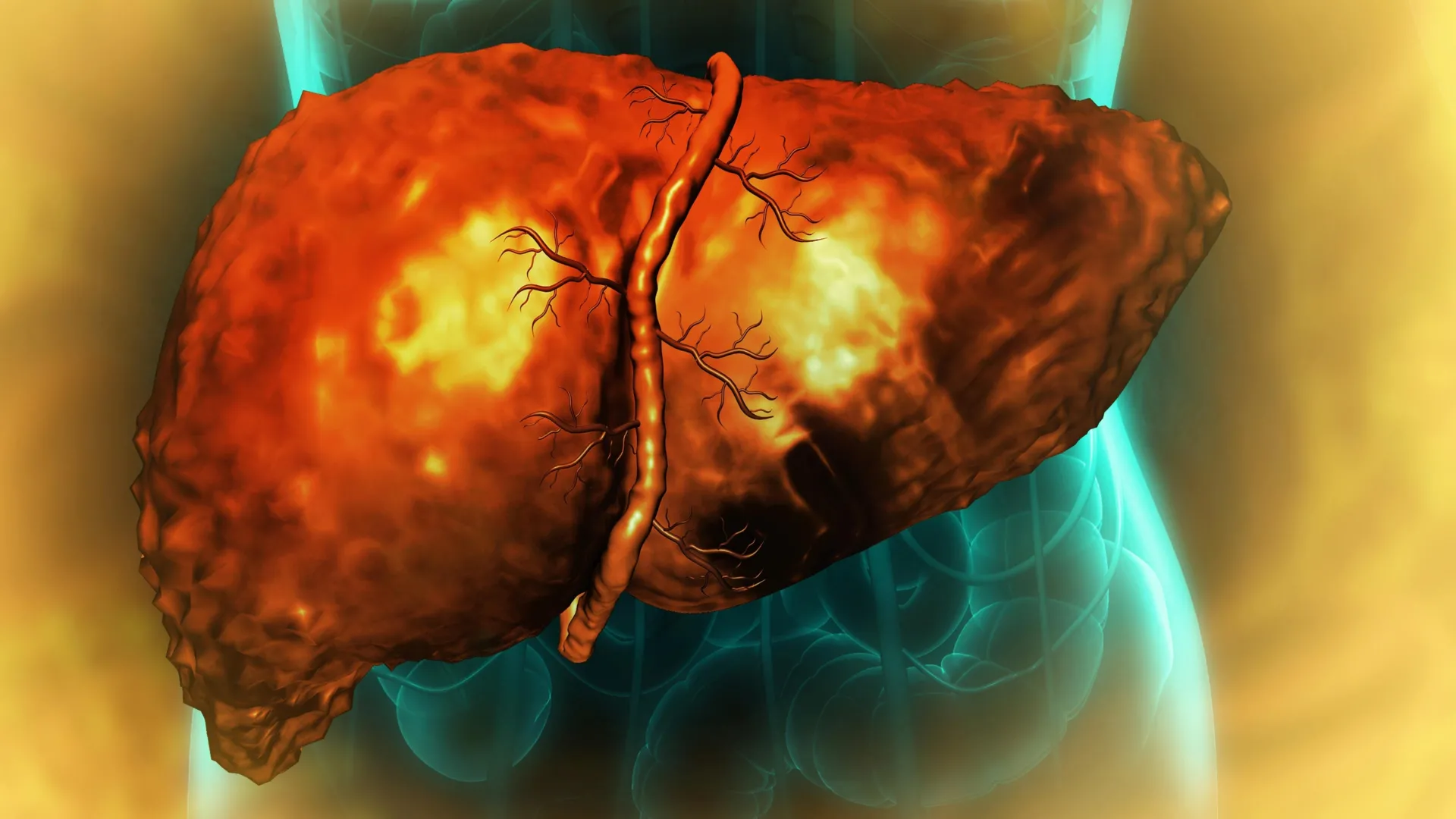
Scientists have discovered that alcohol-related liver disease may prevent the liver from healing, even after individuals stop drinking. This finding comes from recent research that shows how damaged liver cells become trapped in a state of regeneration failure, mainly due to inflammation-driven RNA errors. The study highlights a specific biological pathway that could be targeted for treatments aimed at restoring liver function.
This research is particularly significant as liver disease linked to alcohol consumption is a growing public health concern. According to the World Health Organization, alcohol consumption is responsible for a substantial number of liver-related deaths worldwide. Many individuals who are diagnosed with alcohol-related liver disease often assume that quitting drinking will allow their liver to recover. However, this new information reveals that the healing process is much more complex, and many may continue to suffer from liver dysfunction even after abstaining from alcohol.
The study's findings point to a critical mechanism within the liver that disrupts its natural repair processes. Researchers found that inflammation alters RNA expression within liver cells, leading to errors that hinder regeneration. This disruption can trap cells in a state where they cannot effectively contribute to healing. By identifying this pathway, scientists are hopeful that they can develop targeted therapies that could help restore liver health in individuals who have stopped drinking, potentially revolutionizing treatment for a condition that currently has limited options.
Moving forward, the research opens up new avenues for exploration. Scientists are now tasked with investigating how to manipulate this pathway to enhance liver regeneration. If successful, this could lead to breakthroughs in treating not just alcohol-related liver disease but also other forms of liver damage. Understanding the underlying mechanisms at play is crucial, as it may ultimately lead to improved outcomes for millions of people affected by liver diseases globally.
Read Full Story at ScienceDaily →