Scientists find rare devil flower, Thismia daemona, in Thailand
Scientists have discovered a rare black flower, Thismia daemona, in Thailand, which exists underground and relies on fungi for nutrients, with fewer than 50 individuals found. Its limited population …
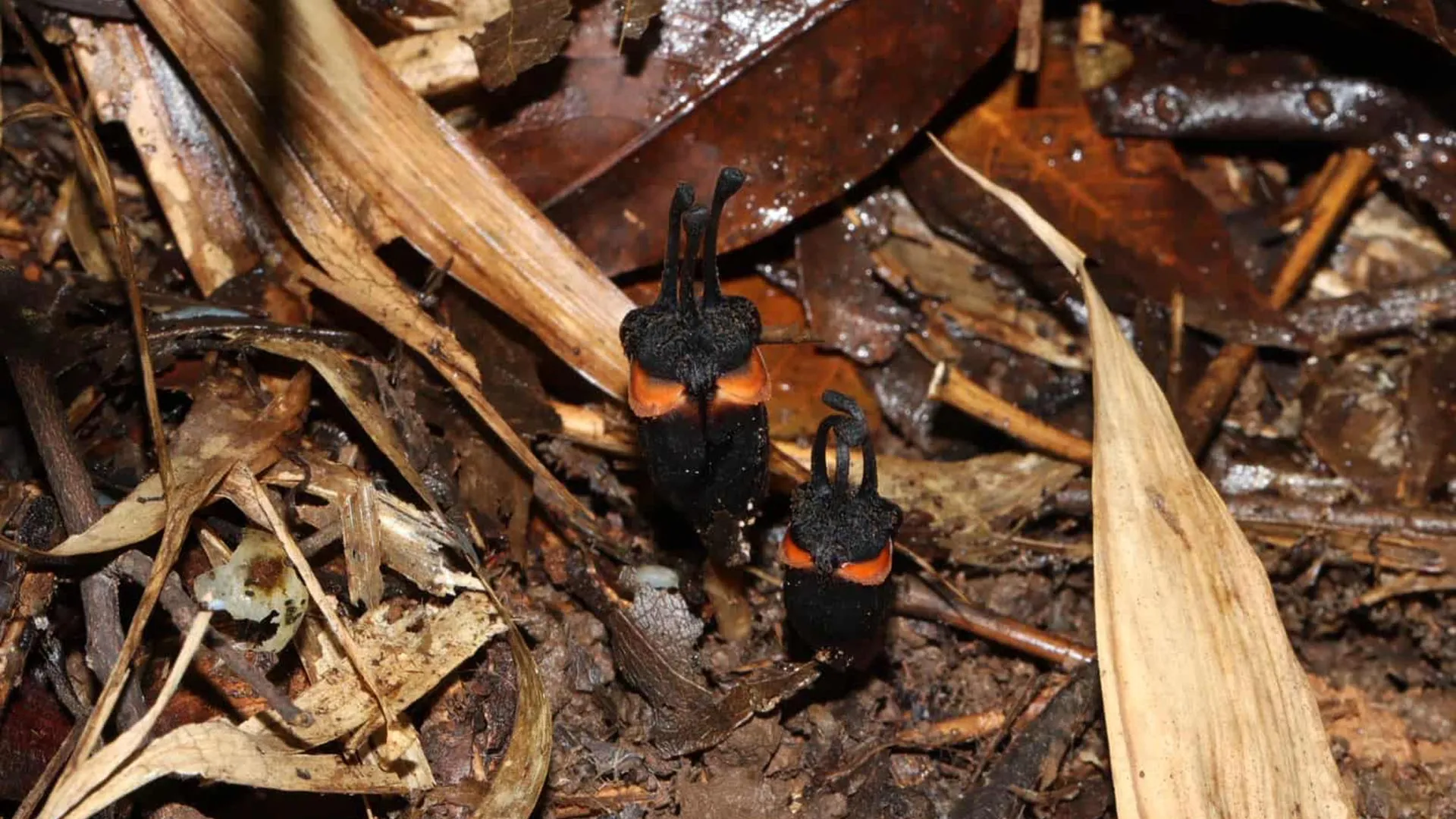
Scientists have discovered a bizarre black “devil flower” in Thailand, named Thismia daemona, which primarily lives underground and steals nutrients from fungi. This unique plant, which looks strikingly different from typical greenery, has been found in limited numbers, with fewer than 50 individuals identified, raising concerns that it may already be critically endangered.
The discovery comes at a time when biodiversity is under significant threat worldwide. Habitat loss, climate change, and pollution are leading to the extinction of many plant and animal species. Researchers are increasingly focused on documenting rare species like Thismia daemona before they vanish. The flower's unusual characteristics, including its dark coloration and subterranean lifestyle, make it a subject of interest not just for botanists but also for conservationists who aim to preserve the delicate ecosystems in which such species exist.
The discovery was made during an expedition aimed at cataloging the flora of Thailand, a region known for its rich biodiversity. Researchers utilized advanced techniques like soil sampling and genetic analysis to identify the flower. Initial studies suggest that Thismia daemona has a symbiotic relationship with fungi, relying on them for nourishment instead of photosynthesis, which is uncommon among plants. This unique adaptation highlights the complexity of plant life and the importance of fungi in ecosystems.
Going forward, conservation efforts will be crucial to protect this rare flower and its habitat. As researchers gather more data, they hope to implement measures that can help safeguard Thismia daemona from extinction. The discovery of such a unique species is a reminder of the many wonders still hidden in the natural world and the urgent need to protect biodiversity for future generations.
Read Full Story at ScienceDaily →