Russia mandates crypto exchange registration, maintains payment ban
Russia mandates crypto exchange registration to curb illicit activity while maintaining a ban on retail payments. This regulation formalizes the industry but restricts consumer adoption, balancing fi…
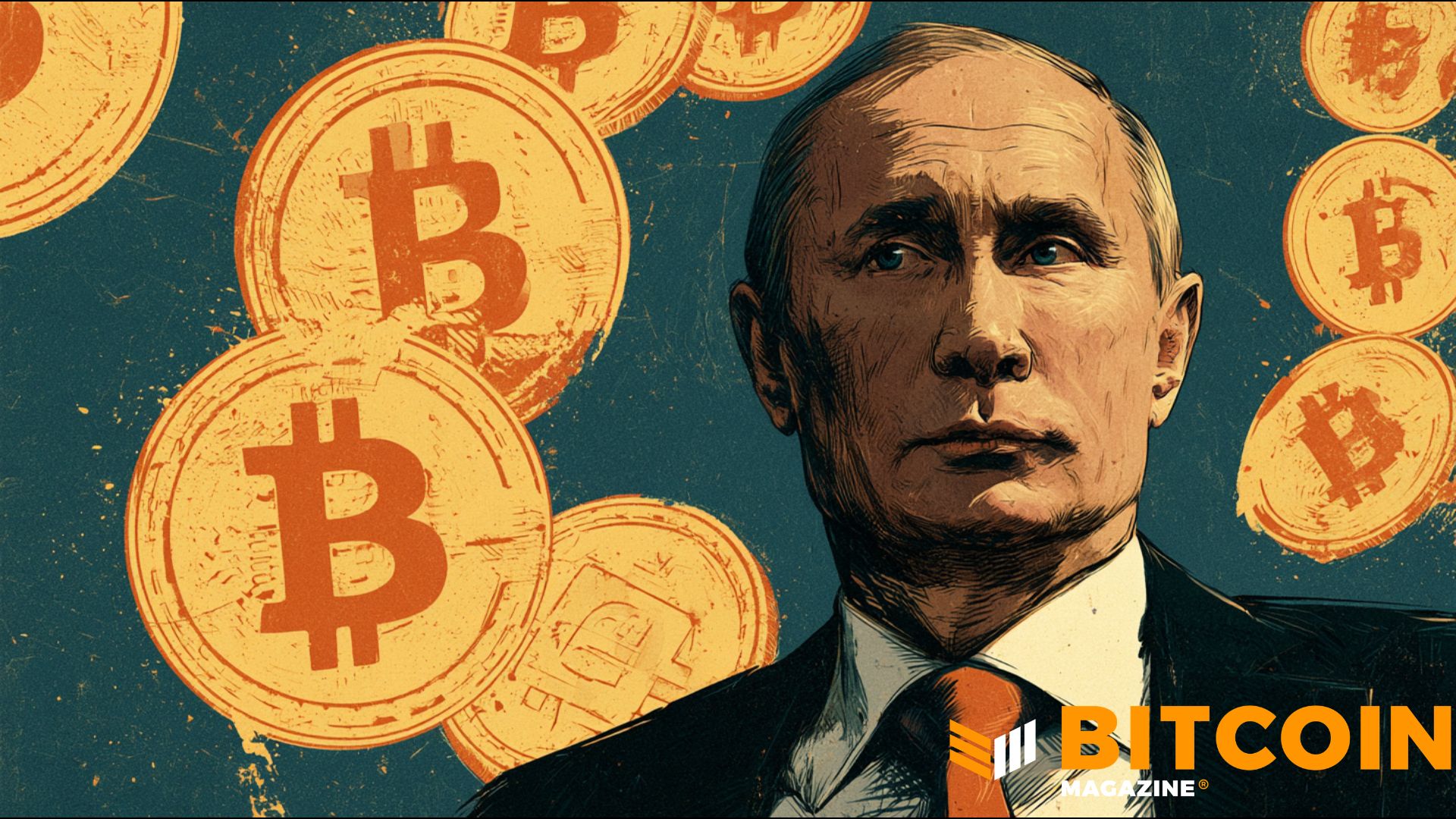
Russia has approved a new law that brings cryptocurrency exchanges under a formal regulatory framework, but it keeps the existing ban that prohibits using crypto for everyday payments. The legislation, signed by President Vladimir Putin on Tuesday, requires all crypto‑asset platforms operating in the country to register with the Central Bank, meet anti‑money‑laundering standards, and disclose their ownership structures. The ban on using digital currencies for retail transactions remains unchanged, meaning Russians cannot use Bitcoin or other tokens to buy coffee, groceries, or pay for services.
The move follows years of a cautious stance toward crypto in Russia. In 2022, the government declared cryptocurrencies “non‑legal tender” and barred their use as a payment method, citing concerns over financial stability and money‑laundering risks. The new law signals a shift toward a more structured approach, aimed at curbing illicit activity while still allowing businesses to offer crypto‑based services. It also aligns with Russia’s broader strategy to maintain control over the financial system amid international sanctions and a tightening global regulatory landscape. The bill was drafted by the Ministry of Digital Development, Communications and Mass Media, and it sets out licensing fees, reporting requirements, and penalties for non‑compliance.
Industry insiders say the regulation could open the door for legitimate exchanges to operate safely, but many warn that the continued payment ban will limit adoption. Some crypto‑asset firms have already begun preparing applications for the new licenses, while consumer groups argue that the ban stifles innovation and financial freedom. Enforcement will likely begin next month, with the Central Bank tasked with monitoring compliance and imposing sanctions on rogue operators. If the law is successfully implemented, it could position Russia as a more predictable market for crypto businesses, though the absence of a legal tender status may keep mainstream usage low.
Read Full Story at Bitcoin Magazine →