Pulling the SNAP lever + Why Gen Zers bet (invest?) differently
You're reading a newsletter from The Indicator from Planet Money. Once a week, we curate our favorite stories and insights on business, finance, economics and adding context on why they matter. Subsc…
You're reading a newsletter from The Indicator from Planet Money. Once a week, we curate our favorite stories and insights on business, finance, economics and adding context on why they matter. Subscribe here to get it in your inbox every Friday.
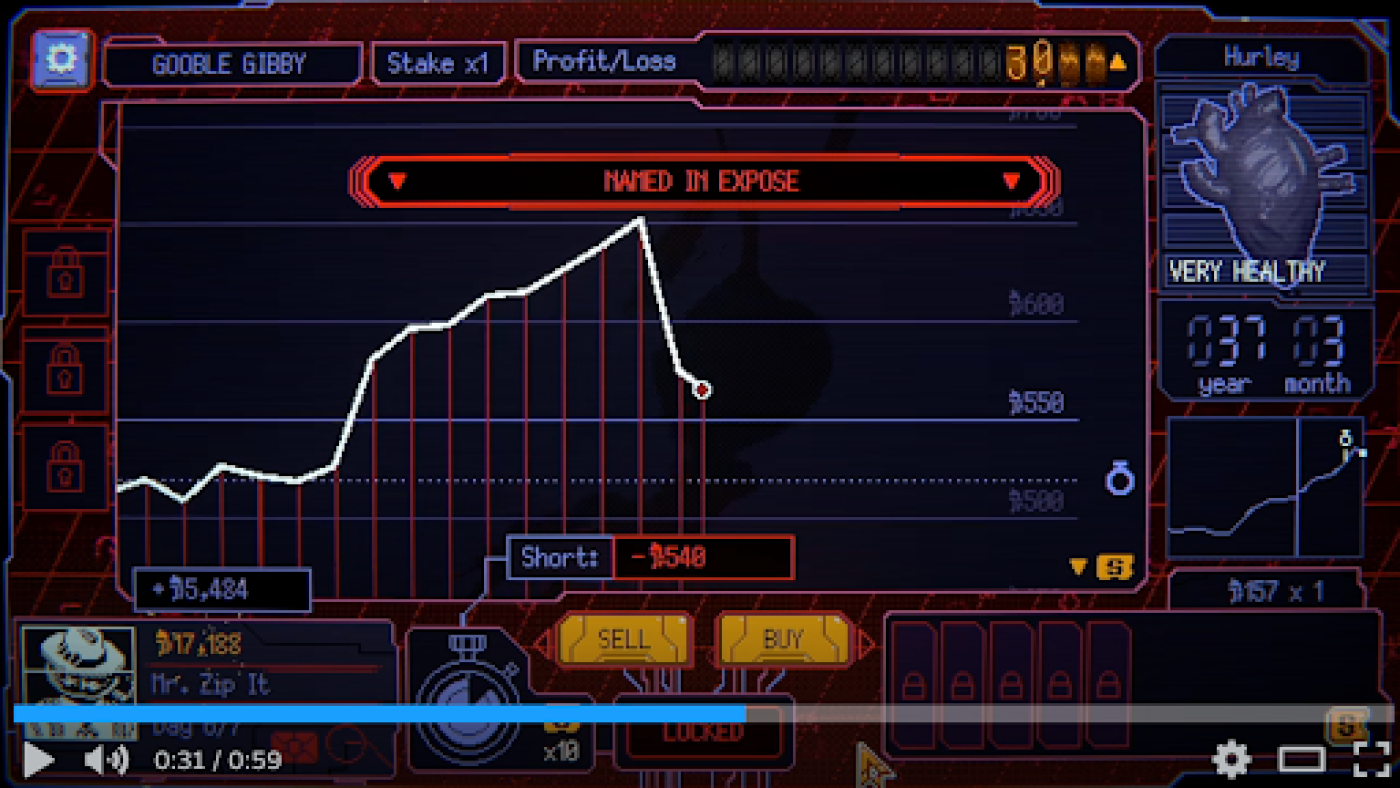
"When's the last time you shorted a baby." That's how the trailer starts for the video game Space Warlord Baby Trading Simulator . This game feels just like a Planet Money episode wrapped in a weird little box. And it plays on the concept of 'information advantage.' That's something ex-Congressman George Santos used to make money off the State of the Union, for which he just received a lifetime ban on Kalshi. It's about making money on a human outcome using the advantage of beautiful, all-knowing information. This game was posted in NPR's #gaming Slack channel and got people talking about how silly it was.
Alright, SO. The game is … you pick an alien baby, you buy stocks in its simulated life and then you can buy, sell, short, and cash out on what happens. Perhaps the baby commits war crimes or falls in love (in that order?). Perhaps it acquires a corporation. Who knows what a baby will do these days! It's a nice little lesson in how the market reacts to live events. I got to play it … it's fast-paced, it's weird, it's just fun.
That feeling when you short a space baby's stock in a video game Screenshot of the trailer for Space Warlord Baby Trading Simulator on Steam /Strange Scaffold via Steam hide caption
Coming up, how changing what's eligible for SNAP recipients can actually affect consumption habits, who takes care of the Wall Street "Charging Bull," and why cocoa prices are so darn fickle.
1. Banning soda from food stamp eligibility actually DOES reduce consumption? - University of Chicago
What To Know: After President Trump entered office, his administration encouraged states to cut sugary drinks like soda from SNAP eligibility as part of its "Make American Healthy Again" initiative. So far, 23 states have implemented the restriction. A working paper out of the University of Chicago last week expressed some skepticism that restrictions would affect consumption, given "the majority of recipients spend more on groceries than their SNAP allotment." So … people could theoretically just switch to paying for sugary drinks with NON-SNAP funds, right? WRONG! Purchases of the excluded drinks went down 12.4% in the first half of this year. "A 12.4% decrease is larger than most researchers had predicted, and indeed larger than I had predicted," Hunt Allcott, co-author of the study, told CBS News .
So is this a win?: Yes and no. If the goal was making people healthier, the numbers aren't overwhelmingly promising. The working paper found that if all sugary drinks were excluded, the average adult SNAP recipient would lose a total of 0.27 pounds with a drop in diabetes risk of 2.5% over 10 years.
Read Full Story at NPR News →