German parents report rising protein shake use among teenagers
Teenage consumption of protein powders and shakes has surged in Germany, with nearly half of parents reporting their kids used these products in the past year. Experts caution that excessive protein …
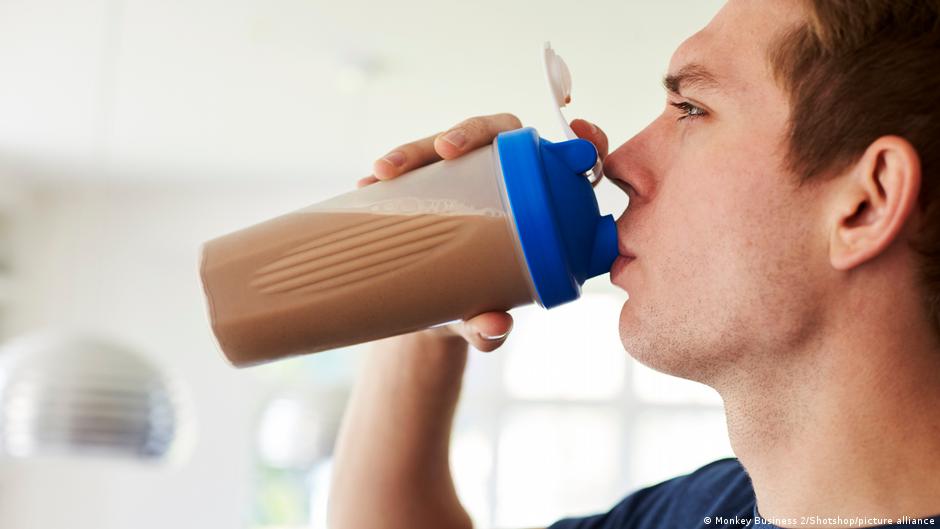
In Germany, teenage use of protein powders, shakes and fortified snack bars has jumped sharply, with a University of Michigan survey finding that just under half of parents said their 13‑ to 17‑year‑olds had consumed such products in the past year. The surge is reflected in market data: Statista reports a 25 percent rise in retail revenue for fitness protein products between March 2024 and March 2025. Boys are more likely to use the products for sport or muscle building, while girls cite diet balance and weight loss as motivations.
The trend follows a wave of marketing that positions protein‑enriched foods as quick fixes for growth, performance and appearance. Experts note that healthy adults need about 0.8 grams of protein per kilogram of body weight, and teenagers need only slightly more – roughly 0.9 grams per kilogram. A 45‑kilogram teen therefore requires about 40 grams of protein a day, a target easily met with ordinary meals such as oat porridge with almond milk, a baked potato with curd cheese or whole‑grain bread with peanut butter. Yet the survey shows many teens are turning to supplements instead of whole foods.
German nutrition authorities warn that excess protein can be harmful, especially when it comes from animal sources. A study covering 2015‑2017 found that roughly half of children and adolescents in Germany consume more than twice the recommended daily amount. Over‑consumption has been linked to higher rates of overweight, early onset of puberty and, over time, strain on the kidneys as they process excess amino acids into urea. The risk rises if teens do not stay well‑hydrated or have pre‑existing kidney issues.
Health professionals advise parents to monitor protein intake and encourage balanced diets rather than reliance on fortified products. The German Nutrition Society urges that protein needs be met through varied foods and that supplements be used only when a genuine shortfall is identified. As the market continues to grow, regulators may face pressure to tighten labeling and advertising rules aimed at young consumers. Keeping teens informed about realistic protein requirements could curb the current over‑use and protect long‑term health.
Read Full Story at DW World →