Powerful new AI model will map the moon's surface in more detail than ever, NASA and IBM scientists say
IBM and NASA have partnered to create a new artificial intelligence (AI) model capable of processing decades of lunar data so scientists can more accurately map the moon's surface one day. Decades o…
IBM and NASA have partnered to create a new artificial intelligence (AI) model capable of processing decades of lunar data so scientists can more accurately map the moon's surface one day.
Decades of robotic lunar missions have left scientists with a massive, disjointed trove of data. Traditionally, this data has been parsed by limited transformer models such as SwinV2-B, created in 2022 as a general-purpose model to understand images and improve accuracy on photo recognition and related vision tasks. Spacecraft orbiting the moon captured this data using a mismatched array of sensors, without an accessible way to analyze or utilize it.
Specifically, images from high-resolution optical cameras, laser altimeters, radar reflectance tools and spectrometers that measure elemental density have created huge datasets — but unifying them into a cohesive picture of the lunar surface has been a labor-intensive and computationally demanding process.
To crack the data bottleneck, researchers from NASA and IBM teamed up to build the Lunar Foundation Model (LFM). This agile AI system is designed to piece together multimodal, multiresolution data to build a detailed picture of the lunar surface to support future missions. The team published their findings Sept. 10 in a technical paper shared with Live Science.
The scientists wanted to build a single, reusable backbone AI model that would be freely available to scientists via the open-source AI model repository Hugging Face . Because the model is open-source, researchers could fine-tune the AI to tackle specific questions as part of different projects.
For NASA, this includes thorny issues such as generating a reliable crater map so researchers can plot safe landing zones, or analyzing those craters for clues about the chemical makeup of the moon's interior and its history.
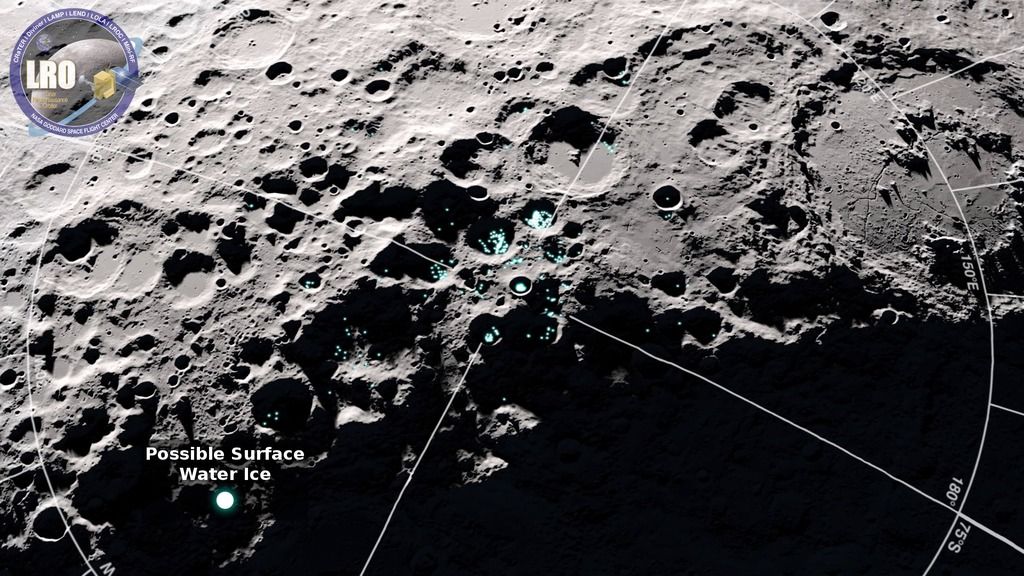
LFM also enables scientists to comb through the data for heavily shadowed sites on the moon that often conceal subsurface ice, which is critical for establishing long-term lunar bases . Volcanic activity can be tracked and collated too, which will allow future projects to avoid unstable terrain and reveal insight into the moon's thermal evolution.
Get the world’s most fascinating discoveries delivered straight to your inbox.
Read Full Story at Live Science →