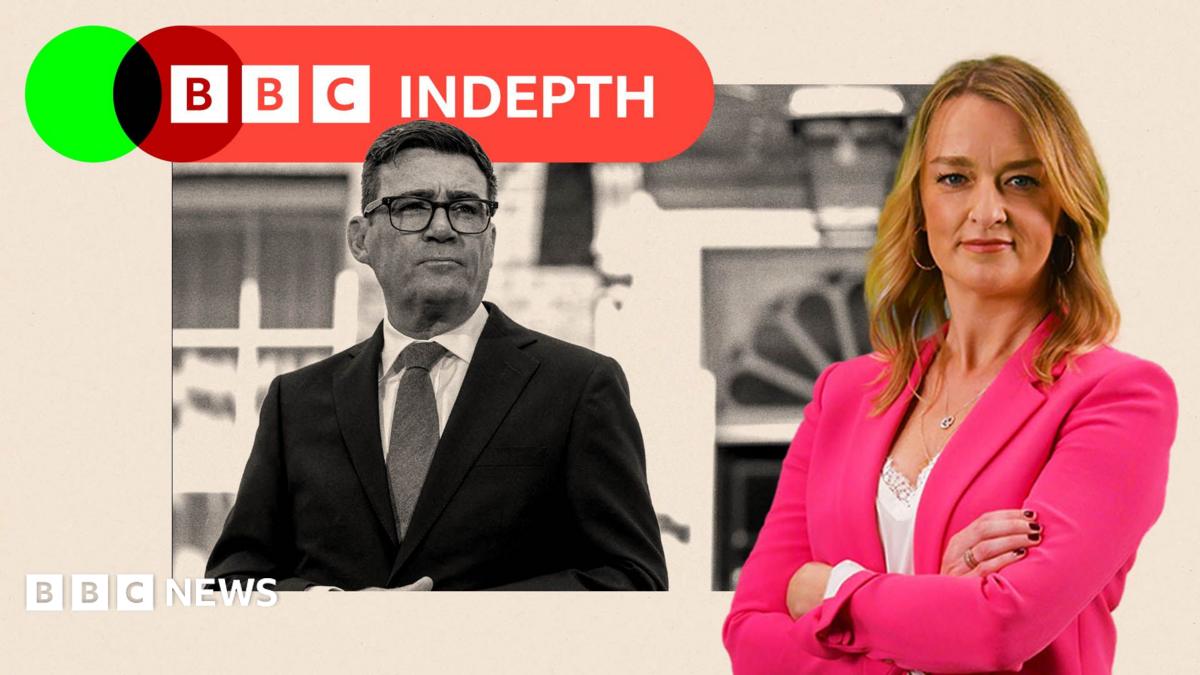
Our exclusive behind-the-scenes access at No 10 as Andy Burnham became PM
"You can clap now," a Downing Street official with a clipboard instructed the staff eagerly lining the halls of No 10 in the moments before the new prime minister walked in. The applause duly began b
"You can clap now," a Downing Street official with a clipboard instructed the staff eagerly lining the halls of No 10 in the moments before the new pr
Read Full Story at BBC Politics →Why This Matters
The arrival of Andy Burnham as Prime Minister marks a significant shift in the political landscape, reflecting a growing desire among the electorate for leadership that prioritizes local issues and community engagement. This transition could signal a broader trend towards regional voices gaining prominence in national politics, challenging the traditional power dynamics in Westminster.
Background Context
Historically, No 10 Downing Street has been a symbol of central power in the UK, often dominated by leaders representing the interests of the South. Burnham's ascent to the premiership, especially coming from an area like Greater Manchester, underlines a potential recalibration of priorities that may focus more on the needs and aspirations of the North and other regions traditionally overlooked.
What Happens Next
As Burnham settles into his new role, observers will be keen to see how his policies reflect the needs of diverse communities across the UK. Key areas to watch include potential reforms in regional funding, public health initiatives, and approaches to infrastructure that prioritize connectivity and accessibility for all regions.
Bigger Picture
This leadership change is indicative of a broader trend towards decentralization in governance, as citizens increasingly demand accountability and representation from leaders who understand their local challenges. It also suggests a potential shift in party dynamics, where local leaders might play a more significant role in shaping national policy agendas in the future.