Reduced coal burning greens African Sahel since 2010
Since 2010, reduced coal burning has cut haze over the Sahel, strengthening monsoons and refilling ancient aquifers for the first time in decades. This greening trend could continue if emissions keep…
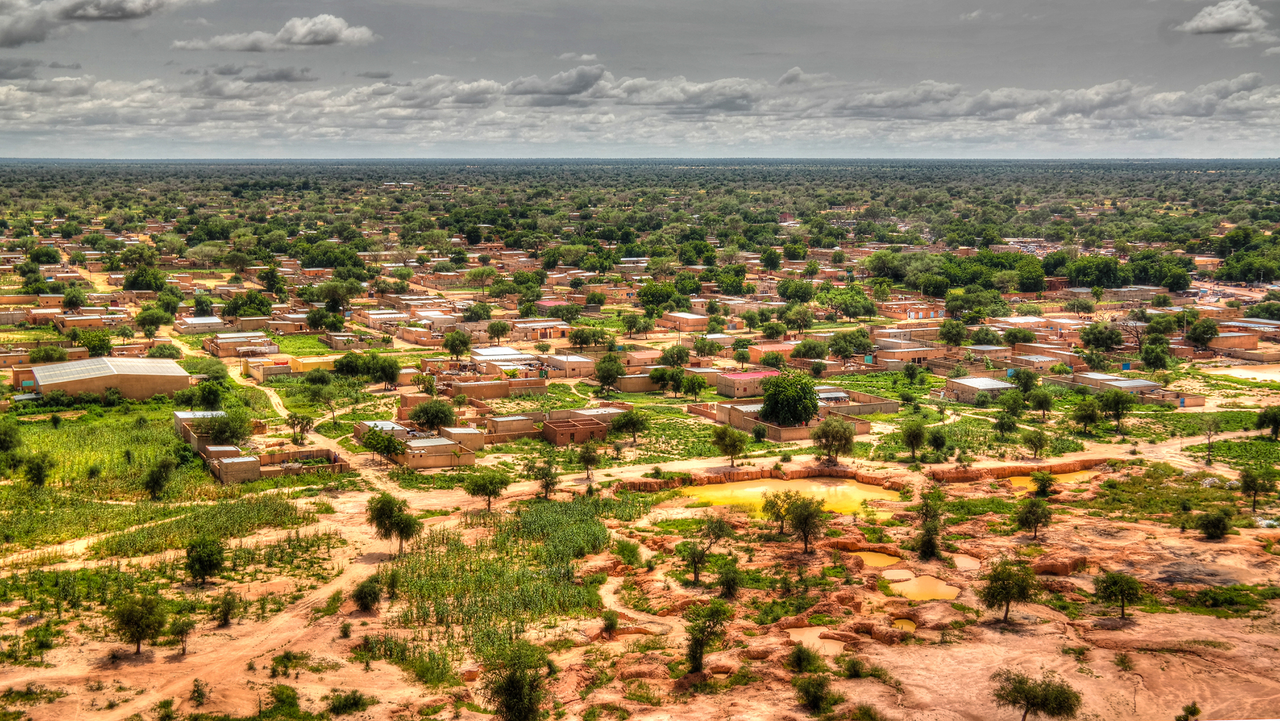
A sharp drop in coal burning since 2010 has cut the haze over the Sahel, letting stronger monsoons reach the dry belt and refill ancient aquifers for the first time in decades.
Scientists say cleaner air is the main reason. Burning coal sends sulphates and soot into the sky that bounce sunlight back to space and cool the air, weakening the temperature contrast between the hot Sahara and the cooler Gulf of Guinea. That contrast normally pulls moisture north in summer, but the artificial cooling had weakened the pull for years. When sulphate pollution fell after China and India installed scrubbers and the world shifted to renewables, the air warmed again, the monsoon strengthened, and rains came back heavier.
Hydrologists point to four big aquifers—Senegal-Mauritania, Taoudeni-Tanezrouft, Iullemeden and Chad—that are now rising. Satellite gravity data from GRACE shows groundwater in Mali and Niger has climbed by 0.5 to 1.5 centimetres a year since 2015. Farmers in Burkina Faso report wells 20 metres deep that had dried up in the 1980s are again yielding water. The Sahel still faces heat and conflict, but the greening is visible in new shrubs and scattered trees that hadn’t been seen since the 1960s.
What happens next depends on whether the cleaner trend holds. If emissions keep falling, the monsoon could stay strong and aquifers rise another metre by 2040. But if coal use bounces back, the old pattern of drought could return within a decade. Either way, the Sahel’s revival shows how quickly a regional climate can shift when the world changes course on pollution.
Read Full Story at Live Science →