Nobody is preparing for the worst day in history
A massive volcano erupts in Southeast Asia. Ash fall delays flights and destroys crops, while pyroclastic flows wipe out entire towns. Over the following weeks, the sulfur dioxide pumped out turns in…
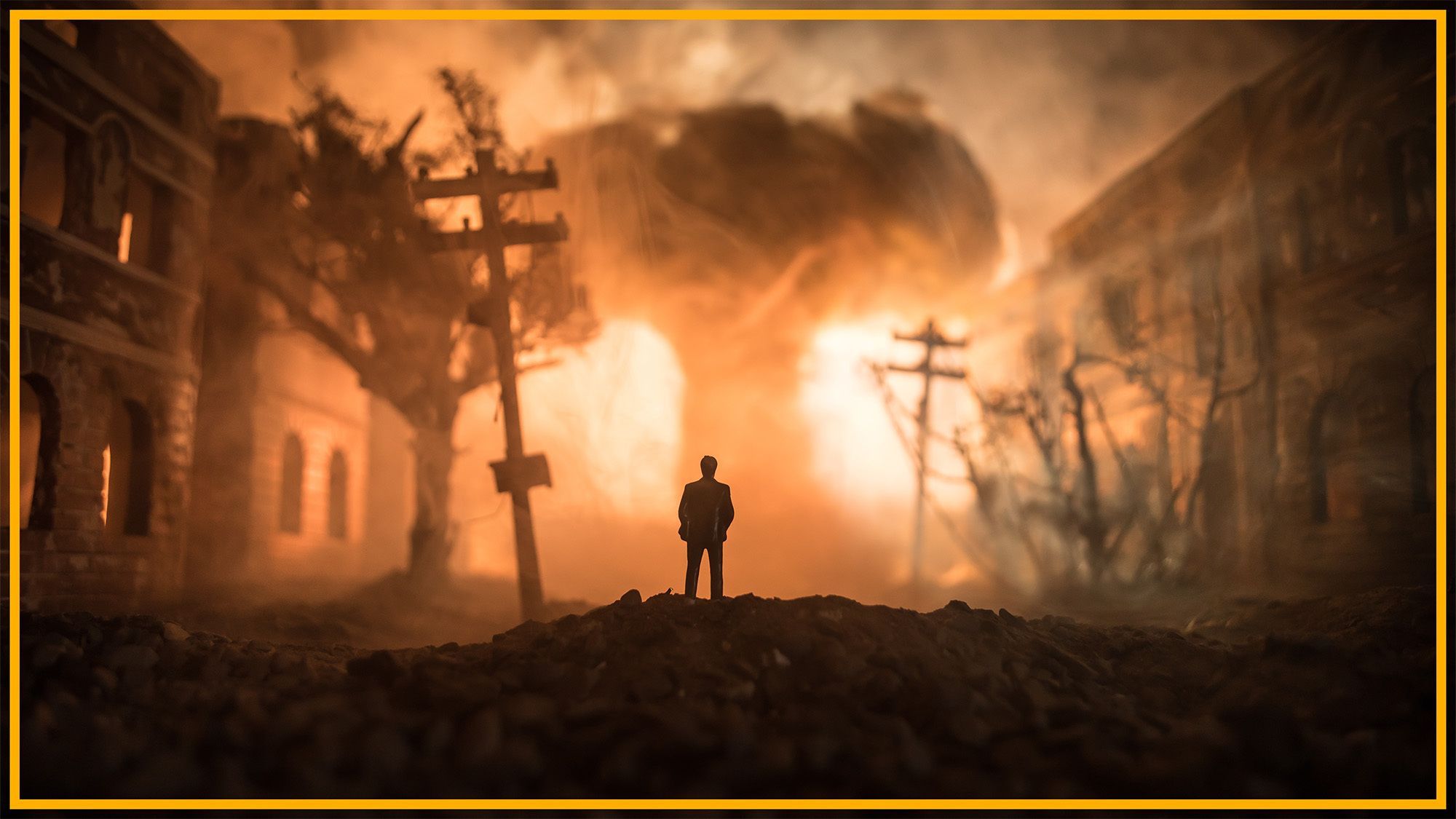
A massive volcano erupts in Southeast Asia. Ash fall delays flights and destroys crops, while pyroclastic flows wipe out entire towns. Over the following weeks, the sulfur dioxide pumped out turns into a haze of fine acid droplets, eventually wrapping around the entire planet, scattering sunlight back to space. The sun turns pale, shadows go soft, the sky glows violet after sunset and the ground below cools. The next summer never appears. Harvests fail from the American Midwest to the monsoon belt in Asia. Countries close their borders, and people who have never heard of the volcano begin to starve.
This nightmare scenario has yet to happen, but it's not a matter of if but when a world-changing event like this will hit, and governments need to start preparing for global catastrophes that could disrupt the food system on an unprecedented scale.
There are three main steps we need to take soon: put events like nuclear war, a huge volcanic eruption and a continent-wide blackout into national risk assessments; agree to trade rules for such an emergency before it arrives; and fund pilot projects now for foods so we know what can be produced at scale without much sunlight or without fertilizer.
Florian Ulrich Jehn is a senior researcher in environmental science specializing in food security, climate impacts, and civilizational resilience.
Following doctoral studies in hydrology, Florian’s research expanded to extreme climate change scenarios and innovative approaches to prevent global famine after catastrophic events. He currently works at the FernUniversität in Hagen, developing a new university course about global catastrophic risk.
Beyond academic research, Florian writes the research newsletter Existential Crunch and delivers public lectures on food security and global risks.
We've been faced with turbulent times the last few years with COVID, the Russian invasion of Ukraine and the Iran war. And the current outlook indicates there's more trouble ahead — the closure of the Strait of Hormuz alone could disrupt global food production , for example. A significant part of the world's traded fertilizer passes through it, and the United Nations Food and Agriculture Organization has warned that the shortfall will cut yields into 2027.
This shows that in today’s interconnected world, regional crises will influence countries far away from it. With larger catastrophes, these ripple effects in the global system would be more widespread, quicker to take hold and on a higher magnitude.
Read Full Story at Live Science →