DHS confirms ICE will not patrol midterm polling places
DHS confirmed ICE agents will not station at polling places for the midterms, reversing earlier threats. This move aims to prevent voter intimidation and suppress fears of detention among immigrant c…
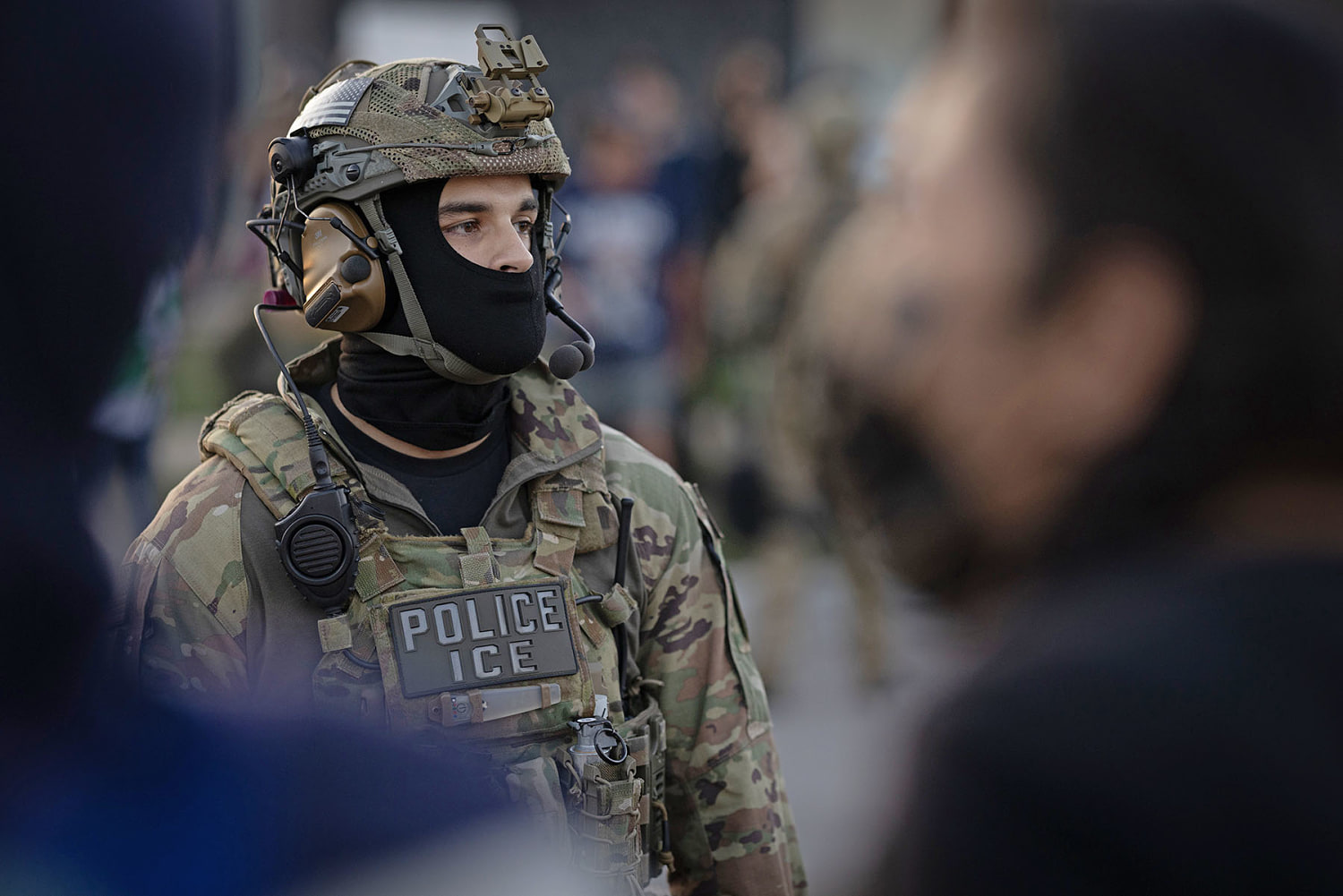
The Department of Homeland Security has clarified that Immigration and Customs Enforcement agents will not be stationed at polling places for the upcoming midterm elections. A senior agency official stated that ICE will perform its standard operational duties on Election Day, which does not include proactive enforcement at voting sites. This clarification comes after conflicting signals from within the Trump administration regarding immigration enforcement near democratic institutions. Secretary of Homeland Security Markwayne Mullin had previously suggested that agents could enter polling places to serve arrest warrants if they encountered removable individuals. However, the latest guidance from DHS leadership indicates a retreat from such aggressive posturing. The agency insists that its presence will be limited to routine activities, ensuring that immigration enforcement does not disrupt the voting process or intimidate voters.
This policy adjustment is significant because it addresses growing concerns about voter suppression and the politicization of federal law enforcement. During the 2020 election cycle, rumors and misinformation about ICE agents at polling places contributed to widespread anxiety among immigrant communities. Many eligible voters stayed home due to fear of detention or deportation, potentially skewing election results. The current administration initially signaled a hardline approach to immigration, with officials making statements that suggested a willingness to enforce immigration laws aggressively in public spaces, including places of worship and schools. Mullin’s earlier comments about serving warrants at polls echoed these maximalist views. However, the backlash from voting rights advocates, legal experts, and even some Republican lawmakers prompted a recalibration. Critics argued that such tactics would erode trust in the electoral system and violate the spirit of free and fair elections. The Department of Homeland Security is now attempting to balance its enforcement mandate with the need to maintain public confidence in democratic processes.
The distinction between regular duties and proactive enforcement is crucial for understanding the current stance. Regular duties may include responding to crimes in progress or executing court-ordered arrests, but these actions are not targeted at voters specifically. The agency has emphasized that it will not conduct operations designed to deter voting. Legal experts note that while federal agents have the authority to serve warrants anywhere, including polling places, doing so without a specific, immediate legal justification could face significant legal challenges. Many states have laws protecting the neutrality of polling places, and federal actions that interfere with voting rights could be subject to injunctions. The Department of Justice has also historically advised against enforcement actions that could chill the exercise of voting rights. This nuance is vital for immigrant communities who remain wary of federal law enforcement. Community organizations are continuing to monitor the situation closely, preparing to document any instances of harassment or undue presence by federal agents. They argue that even the perception of ICE involvement can have a chilling effect on voter turnout.
Looking ahead, the focus will be on implementation and accountability. Voting rights groups plan to deploy observers to polling places across the country to ensure that DHS guidance is followed. Any deviation from the stated policy could lead to immediate legal action and further political controversy. The midterms serve as a critical test for the administration’s ability to manage sensitive enforcement policies without undermining democratic norms. As Election Day approaches, the message from DHS is clear: immigration enforcement will proceed, but it will not be used as a tool to intimidate voters. This stance seeks to reassure the public while maintaining the agency’s operational integrity. The outcome of these efforts will likely influence future debates over the role of federal law enforcement in American elections.
Read Full Story at NBC News →