Elephant Butte Reservoir hits record low of 1.4% capacity in New Mexico
Elephant Butte Reservoir in New Mexico is at only 1.4% capacity due to prolonged drought and early snowmelt, threatening water supply for agriculture and urban areas. This crisis highlights the urgen…
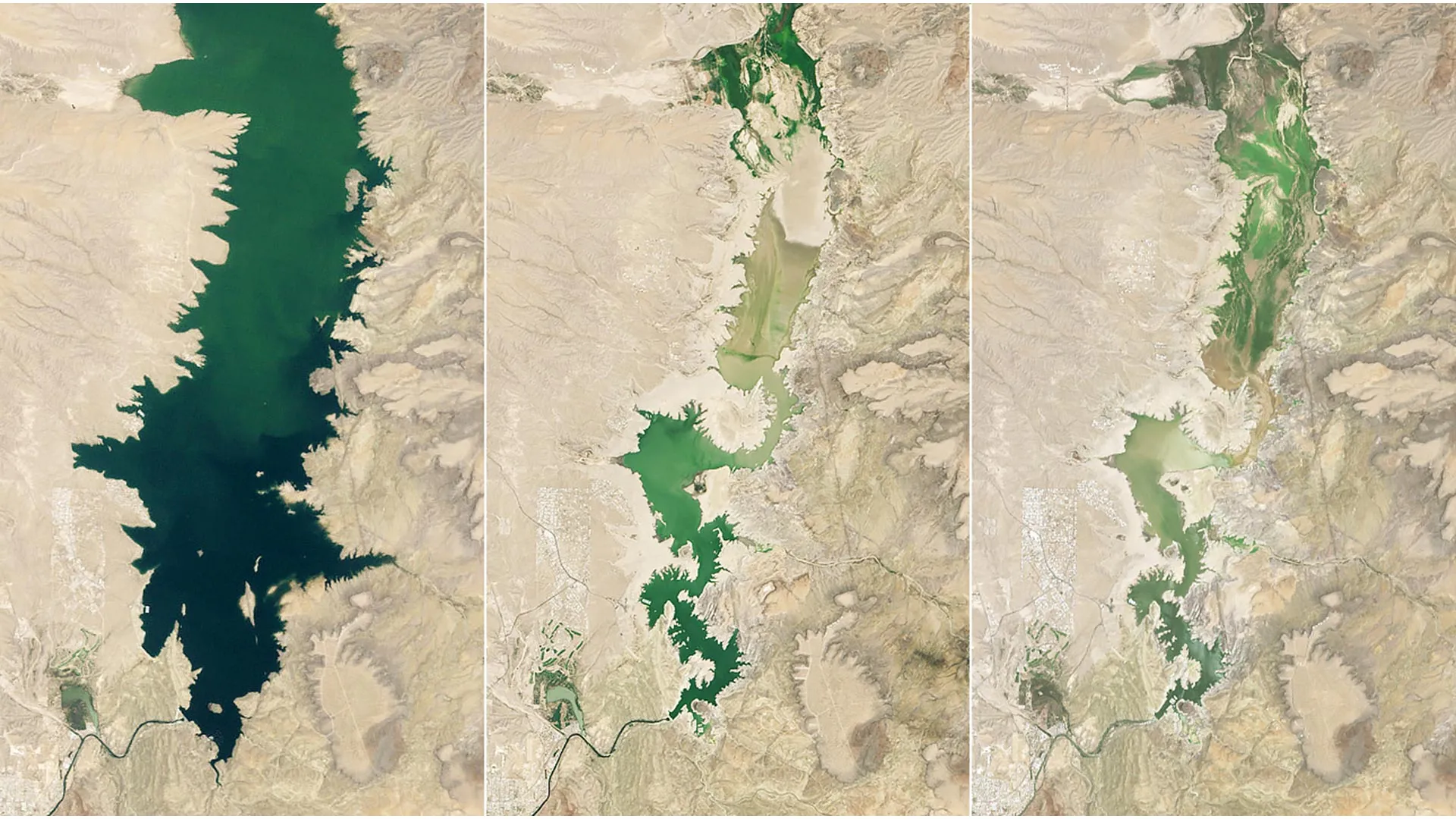
Elephant Butte Reservoir, New Mexico’s largest reservoir, plunged to just 1.4 percent capacity in July 2026 after years of extreme drought and record early snowmelt. This sharp decline has raised alarms about water availability for both agricultural and urban users in the region, particularly as the Rio Grande serves as a crucial water source for farms in New Mexico and Texas.
The water crisis in Elephant Butte is not a sudden occurrence. It has been exacerbated by climate change, which has intensified drought conditions across the southwestern United States. Over the past decade, New Mexico has experienced some of its driest years on record. The effects are compounded by increased temperatures leading to early snowmelt, which disrupts the usual water supply cycle. As the state grapples with these environmental changes, the implications for local agriculture and drinking water supplies become increasingly severe.
Farmers in the region are already feeling the impact. Reduced water availability threatens crops and livestock, leading to potential food supply issues and economic strain. In 2025, the Bureau of Reclamation reduced water allocations from the reservoir by 40%, forcing many farmers to rely on alternative sources or reduce their planting altogether. Local communities are also bracing for possible water rationing as officials scramble to manage dwindling resources.
Looking ahead, water managers and policymakers face urgent decisions. There may be calls for stricter water conservation measures and a push for more sustainable water management practices. Efforts to augment water supplies, such as groundwater recharge and improved irrigation technology, may become essential. As the crisis unfolds, the situation at Elephant Butte Reservoir serves as a stark reminder of the challenges posed by climate change and the critical importance of water security in the arid Southwest.
Read Full Story at ScienceDaily →