Hamas agrees to disarm under new US Gaza peace plan
Hamas agreed to disarm under a new US plan, breaking a long stalemate. This shift tests whether Israel will accept the deal or remain the obstacle to peace.
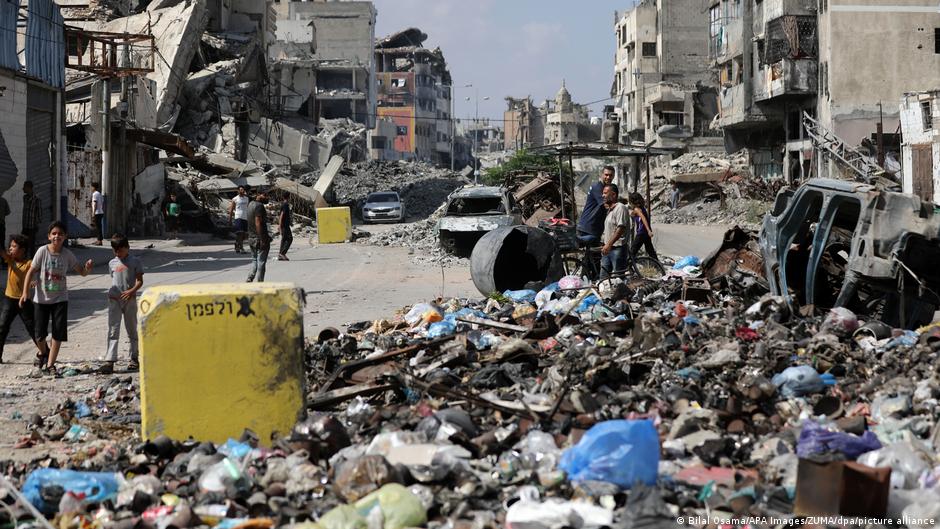
Donald Trump unveiled a new Gaza peace plan last week, calling it a “historic breakthrough.” The proposal aims to end the fighting and alleviate the humanitarian crisis in the coastal enclave. Instead of a swift resolution, the plan has stalled, leaving the key belligerents in a new standoff. Israel and Hamas remain locked in a deadlock that has persisted for months.
The plan differs from earlier attempts in several ways. It is more detailed and substantive, and Trump has signalled he is willing to pressure Israel to accept it. Most notably, Hamas has agreed to disarm for the first time in years, after months of armed resistance. The group’s move follows the October 7 attack that killed over 1,000 Israelis and triggered a three‑year Israeli military campaign that has killed more than 73,000 Palestinians, a figure that a UN inquiry has described as genocide.
A key sticking point has always been the order of events. Israel demands that Hamas disarm before it withdraws troops. Until last month, Hamas refused to disarm until Israel pulled its forces out, creating a stalemate. Early in July, Hamas agreed to hand over power to the National Committee for the Administration of Gaza (NCAG), a technocratic body set up to govern the territory. Later that month, it also pledged to transfer its weapons to the NCAG. Experts say this concession is historic, but it may also be a political tactic to expose Israel as the obstacle to progress under Prime Minister Benjamin Netanyahu. Muhammad Shehada, a visiting fellow at the European Council of Foreign Affairs, notes that Hamas would only make such a concession if it felt cornered and understood that this was the only viable path forward.
If Israel accepts the deal, Hamas would be locked into the disarmament agreement, with any breach giving Israel a pretext to resume military operations and undermining the entire plan. Conversely, if Israel rejects the proposal, the disarmament is unlikely to happen immediately, and the conflict could drag on. The outcome matters for millions of civilians trapped in Gaza and for the broader stability of the region. The next few weeks will determine whether U.S. pressure can finally break the deadlock and bring an end to the suffering.
Read Full Story at DW World →