Neuroscientists discover neurons perform multiple computations simultaneously
Neuroscientists have found that each neuron can perform multiple computations simultaneously, revealing a greater complexity in brain function than previously understood. This discovery could advance…
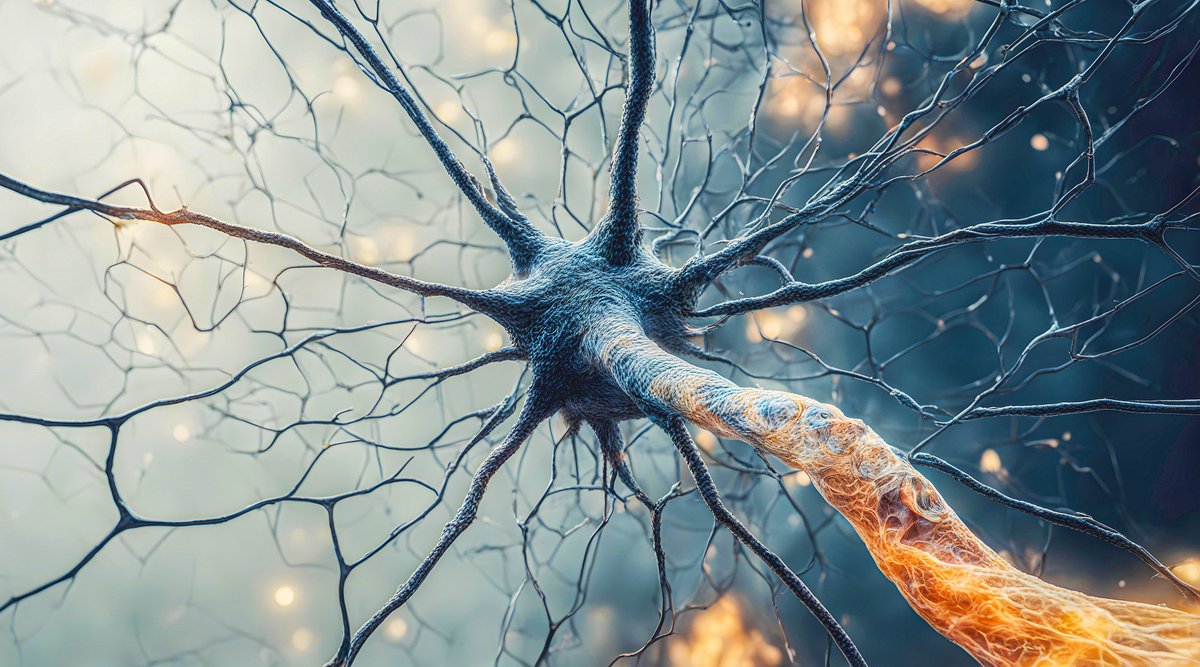
Neuroscientists have discovered that each neuron in the brain can perform multiple computations simultaneously, a finding that challenges long-standing beliefs about brain function. This revelation comes from a new study that highlights the complex architecture of neurons, which have hundreds of branching dendrites. These branches allow neurons to integrate and process information in ways previously underestimated.
This research is significant because it reshapes our understanding of how the brain processes information. For decades, scientists viewed neurons primarily as simple switches that transmit signals. However, this new perspective suggests that the brain's computing power is far greater than previously thought, potentially leading to breakthroughs in our understanding of cognition, memory, and learning. This understanding is especially relevant in the context of developing artificial intelligence, where mimicking human brain function is a key goal.
The study's authors utilized advanced imaging techniques to observe the intricate activity of neurons in real-time. They found that the extensive branching structure of dendrites enables neurons to engage in complex calculations, sort of like a computer processing multiple tasks at once. This increased computational capacity could explain why the human brain is so adept at tasks such as pattern recognition and problem-solving, which are challenging for current AI systems.
Looking ahead, this research may pave the way for new approaches in treating neurological disorders and enhancing cognitive function. As scientists continue to explore the implications of this discovery, it could lead to improved therapies for conditions like Alzheimer's and schizophrenia. Moreover, a deeper understanding of neuronal computing could inspire more sophisticated AI models, ultimately bridging the gap between biological and artificial intelligence.
Read Full Story at Scientific American →