Nepal's floods kill 1,000, threaten $5 billion mountain tourism industry
Nepal's mountain tourism industry is severely impacted by recent floods that killed nearly 1,000 people and caused significant infrastructure damage, prompting widespread travel cancellations. This d…

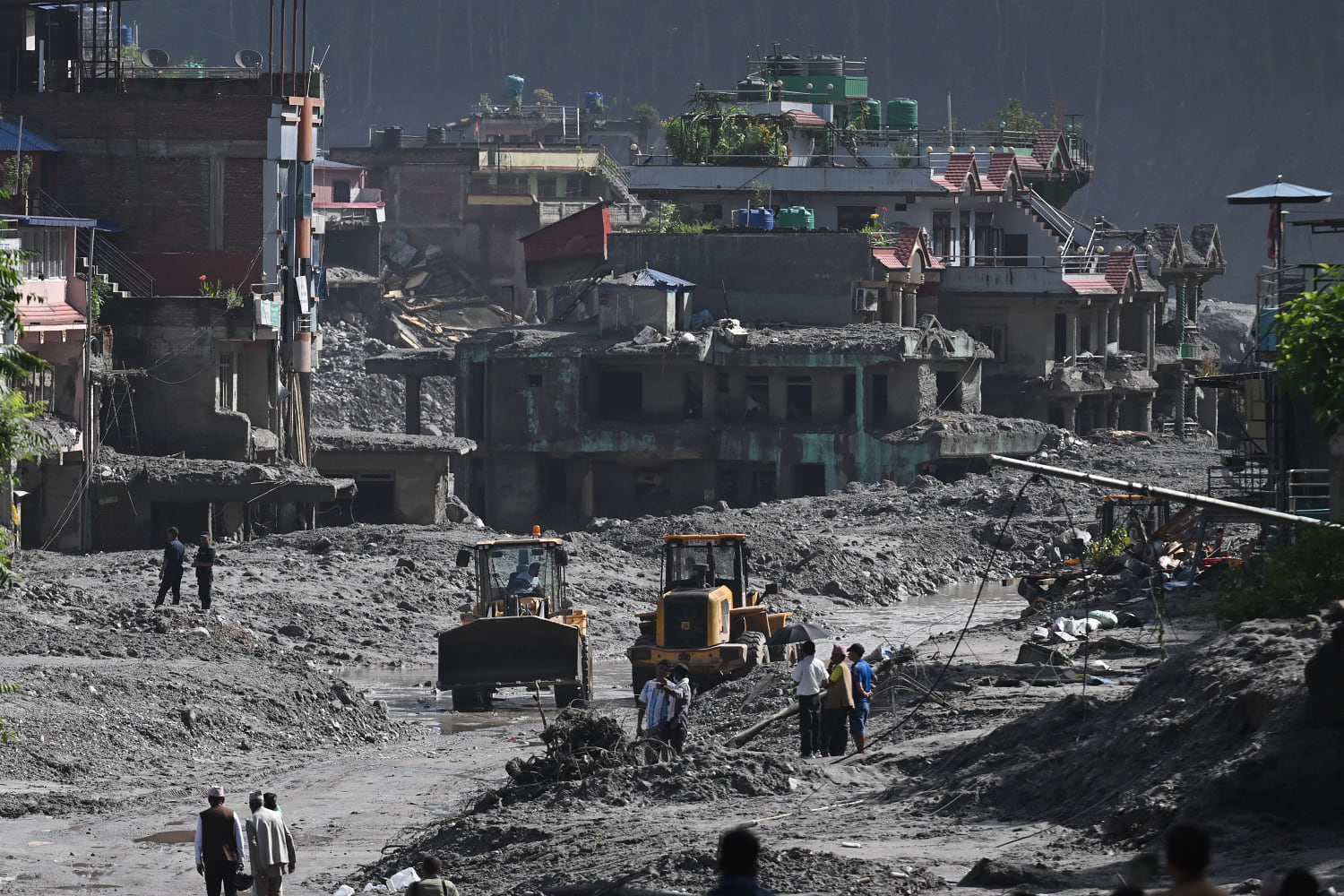
Nepal's mountain tourism industry is facing a critical setback following devastating floods along the Nepal-Tibet border, which have claimed at least 987 lives and left nearly 4,250 people missing. The disaster, triggered by a massive glacial collapse on August 26, unleashed torrents of ice, rock, and meltwater, ravaging communities and damaging vital infrastructure, including roads, bridges, and hydropower facilities.
This calamity comes at a precarious time for Nepal, as it approaches its peak travel season from September 15 to November 15. The floods have prompted widespread cancellations, particularly among European travelers, which has serious implications for the country's economy. Saroj Bhandari, owner of the Wander Thirst hostel in Kathmandu, anticipates occupancy rates will drop from last year’s full capacity to just 60%. He noted that while only one part of Nepal was severely affected, the perception of danger is leading tourists to second-guess their plans.
Rajendra Bahadur Lama, general secretary of the Nepal Mountaineering Association, described the floods as a "serious warning" for the adventure tourism sector. He emphasized the need for a reimagined tourism strategy that prioritizes safety and climate resilience. With climate change increasingly impacting the Himalayas, Lama insists that Nepal must adapt its tourism infrastructure to withstand extreme weather events.
The financial toll of the disaster is estimated to reach between $4 billion and $5 billion, a staggering figure that represents nearly one-tenth of Nepal's economy. As the country works to recover, the situation underscores the dual challenges of rebuilding after tragedy and addressing the long-term impacts of climate change on tourism. The future of Nepal's adventure tourism hangs in the balance, as stakeholders grapple with how to restore both safety and confidence in one of the world's premier trekking destinations.
Read Full Story at CNBC Finance →