Nepal seeks billions for rebuilding after flash floods kill 1,200
Nepal requires billions in funding to rebuild after flash floods killed over 1,200 and devastated infrastructure along the Nepal-Tibet border. This disaster highlights the country's vulnerability to …

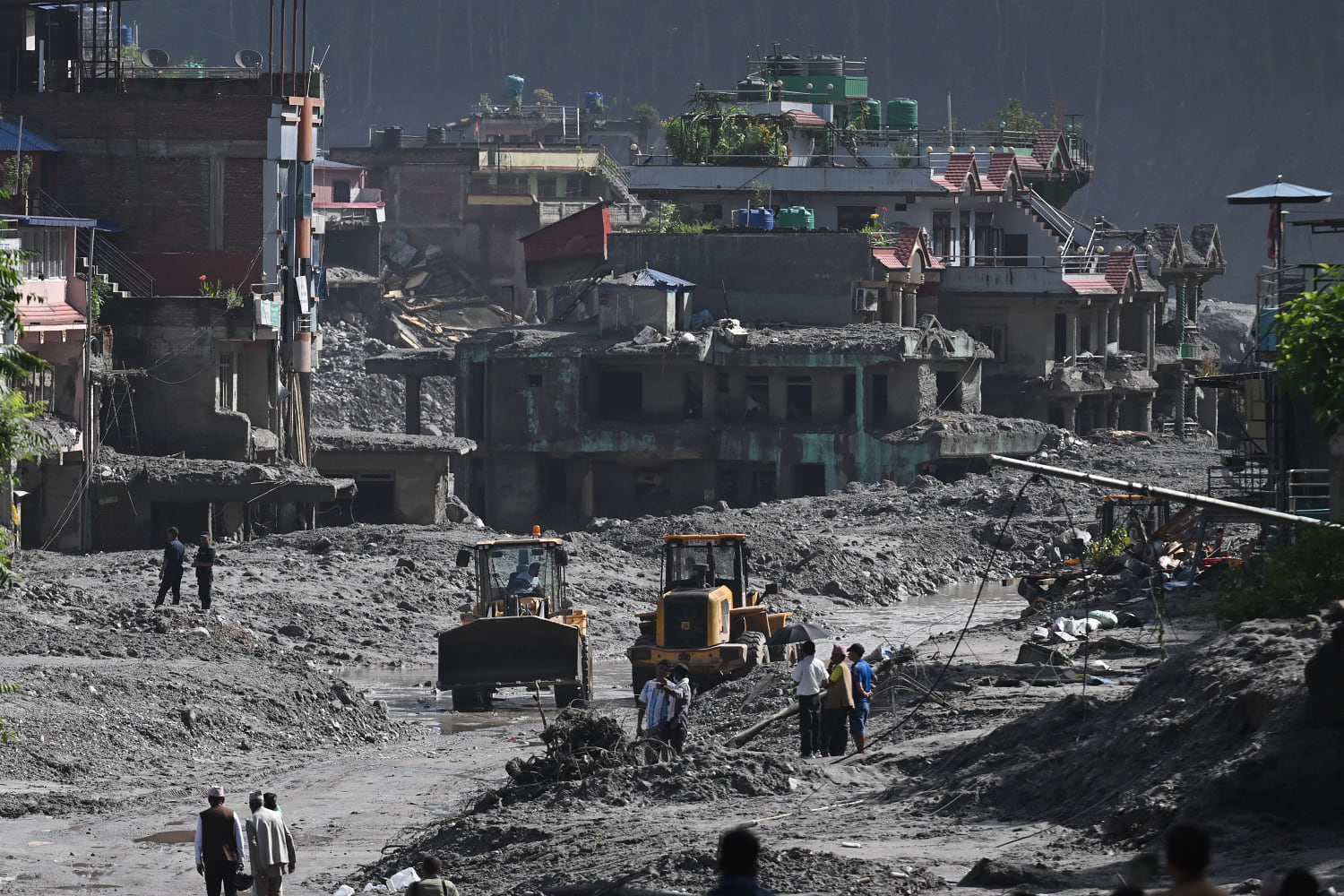
Nepal has announced it will require billions in funding for rebuilding efforts following devastating flash floods that struck the Nepal-Tibet border. The floods, which occurred recently, have led to the deaths of at least 1,200 people, with thousands more reported missing. The scale of destruction has left entire villages and vital infrastructure buried under debris, complicating rescue and recovery operations.
The urgency for reconstruction funding comes as Nepal grapples with the effects of climate change. Despite being one of the lowest contributors to global greenhouse gas emissions, the country is among the most vulnerable to climate-related disasters. Scientists are still investigating the specific causes of the recent floods, but experts agree that extreme weather events are becoming more frequent and severe due to changing climate patterns. This situation has heightened concerns about the resilience of Nepal's infrastructure and communities.
Local authorities are now on the ground, assessing the damage and beginning the arduous process of recovery. The sheer volume of rubble and the extent of the devastation pose significant challenges for humanitarian efforts. The government is expected to outline a comprehensive rebuilding plan, detailing the financial support needed to restore affected areas and improve infrastructure to withstand future disasters.
As the situation unfolds, the international community is being called upon to assist. Funding will not only help rebuild homes and infrastructure but also support long-term strategies to enhance disaster preparedness. Nepal's plight serves as a stark reminder of the urgent need for global action on climate change, especially in nations that bear the brunt of its impacts despite contributing little to the problem.
Read Full Story at BBC World News →