Neanderthals' muscle-boosting gene variant found in 2% of Europeans
Neanderthals passed a gene variant to modern humans that enhances muscle growth, but only about 2% of people of European descent possess it. This gene's influence on muscle mass and strength could le…
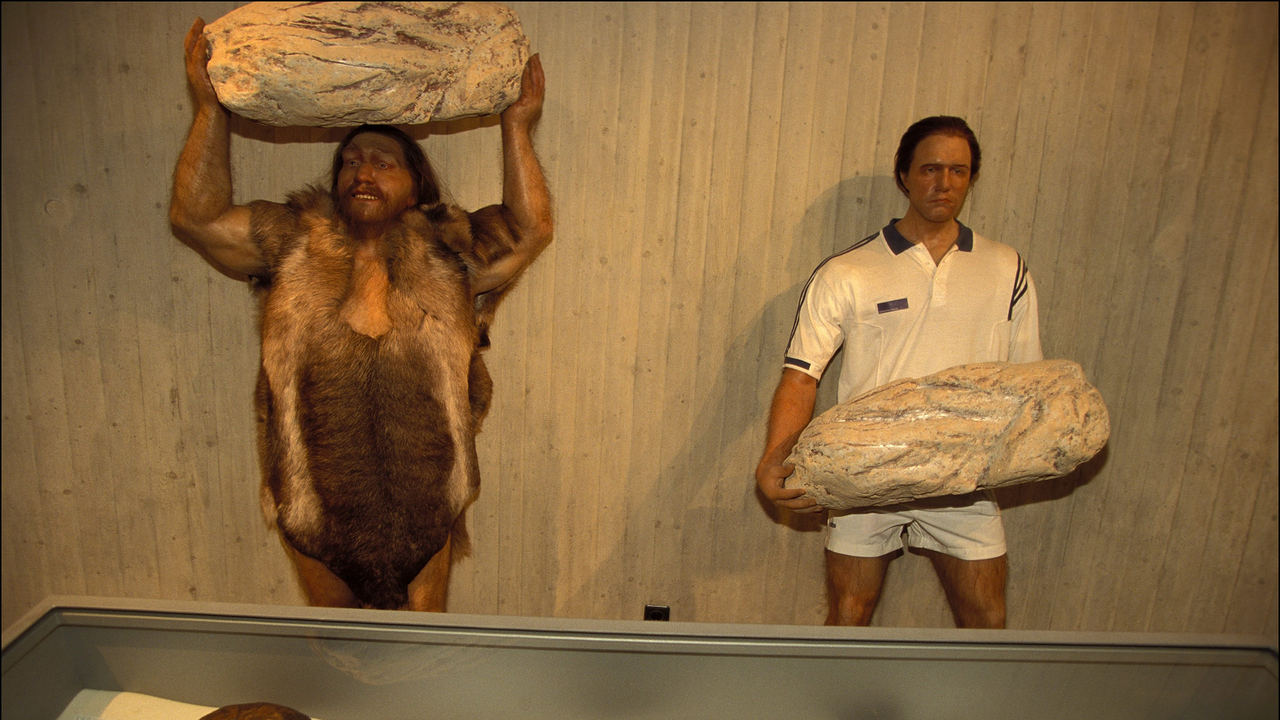
Neanderthals passed along a gene variant to modern humans that can enhance muscle growth, according to a recent study published in the journal "Nature." This genetic legacy is found in a small percentage of the human population, suggesting that some individuals may have inherited this trait from their ancient relatives.
The study sheds light on the complex relationship between Neanderthals and modern humans, highlighting how interbreeding has influenced contemporary genetics. As modern humans migrated out of Africa and into Europe and Asia, they encountered Neanderthals. This interaction led to the exchange of genetic material, which has continued to have implications for traits such as muscle mass and strength. The discovery of this particular gene variant, which affects myostatin regulation, indicates that traits beneficial for survival may have been passed down through generations.
Researchers found that only about 2% of people of European descent carry this advantageous gene variant. Those who possess it may experience increased muscle mass and strength, giving them a physical edge. This variant can also impact the way individuals respond to exercise and training, potentially allowing them to build muscle more efficiently. The implications of this research extend beyond simple muscle gain; understanding the genetic factors at play could lead to advancements in medical treatments for muscle-wasting diseases and other health conditions.
As scientists continue to explore the effects of Neanderthal DNA on modern humans, this research could open new avenues in genetics and fitness. The findings may encourage further studies into how ancient genetics influence contemporary health and athletic performance. For individuals with the gene variant, it may also lead to personalized training programs that capitalize on their unique genetic makeup, reshaping how we think about fitness and muscle development in the future.
Read Full Story at Live Science →