Navajo voters in Dennehotso use tractors to reach polling places
Navajo voters in Dennehotso, Arizona, are overcoming severe flooding challenges to cast their ballots, with some using tractors to reach polling places. Their determination highlights both the commun…
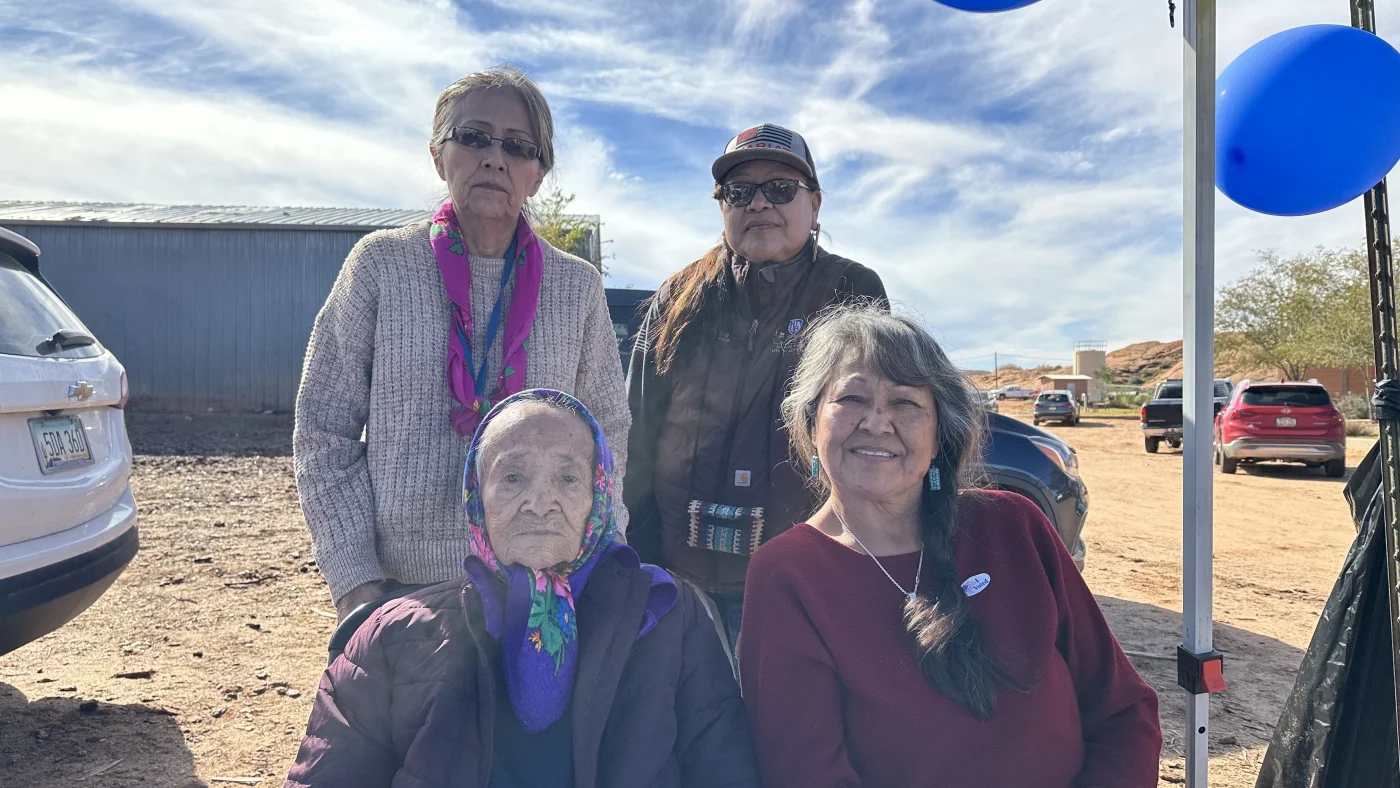
Navajo voters in the Dennehotso area of Arizona have made extraordinary efforts to cast their ballots in the wake of severe flooding that has devastated the region this fall. Many residents, facing washed-out roads and a disrupted community, turned out to vote despite the challenges. On November 3, 2026, voters arrived at polling places in trucks with mud-caked tires, showcasing their determination to participate in the election.
The flooding has been relentless, with three significant events occurring in the past month alone. The most impactful flood began on October 22, overwhelming local infrastructure and forcing thousands from their homes. Local contractor Kev Woolboy has been coordinating response efforts, noting that man-made earth dams designed to mitigate flooding failed against the sheer volume of rain. This extreme weather has knocked out power and water supplies, leaving parts of Dennehotso buried in thick mud.
Amid the chaos, community members came together to support one another. At the Dennehotso Chapterhouse, voters enjoyed traditional foods like fry bread and mutton stew while sharing stories and reconnecting. "I love to see our people come out and talk amongst each other," said 27-year-old Urbina Yazzie. Some individuals have even resorted to using tractors to navigate the treacherous conditions just to reach polling stations and exercise their right to vote.
The events of this election cycle highlight not only the resilience of the Navajo community but also the ongoing challenges they face due to climate change and infrastructure issues. As floodwaters recede and recovery efforts continue, the community's commitment to civic engagement remains strong. How they rebuild and adapt in the aftermath of this disaster will shape the future of the region and its residents.
Read Full Story at NPR News →