NASA DAVINCI probe survives 465-degree Venus test
NASA’s DAVINCI probe successfully withstood 465°C in a thermal test, confirming it can survive Venus’s extreme surface heat. This validation is critical for the 2028 mission, which aims to analyze Ve…
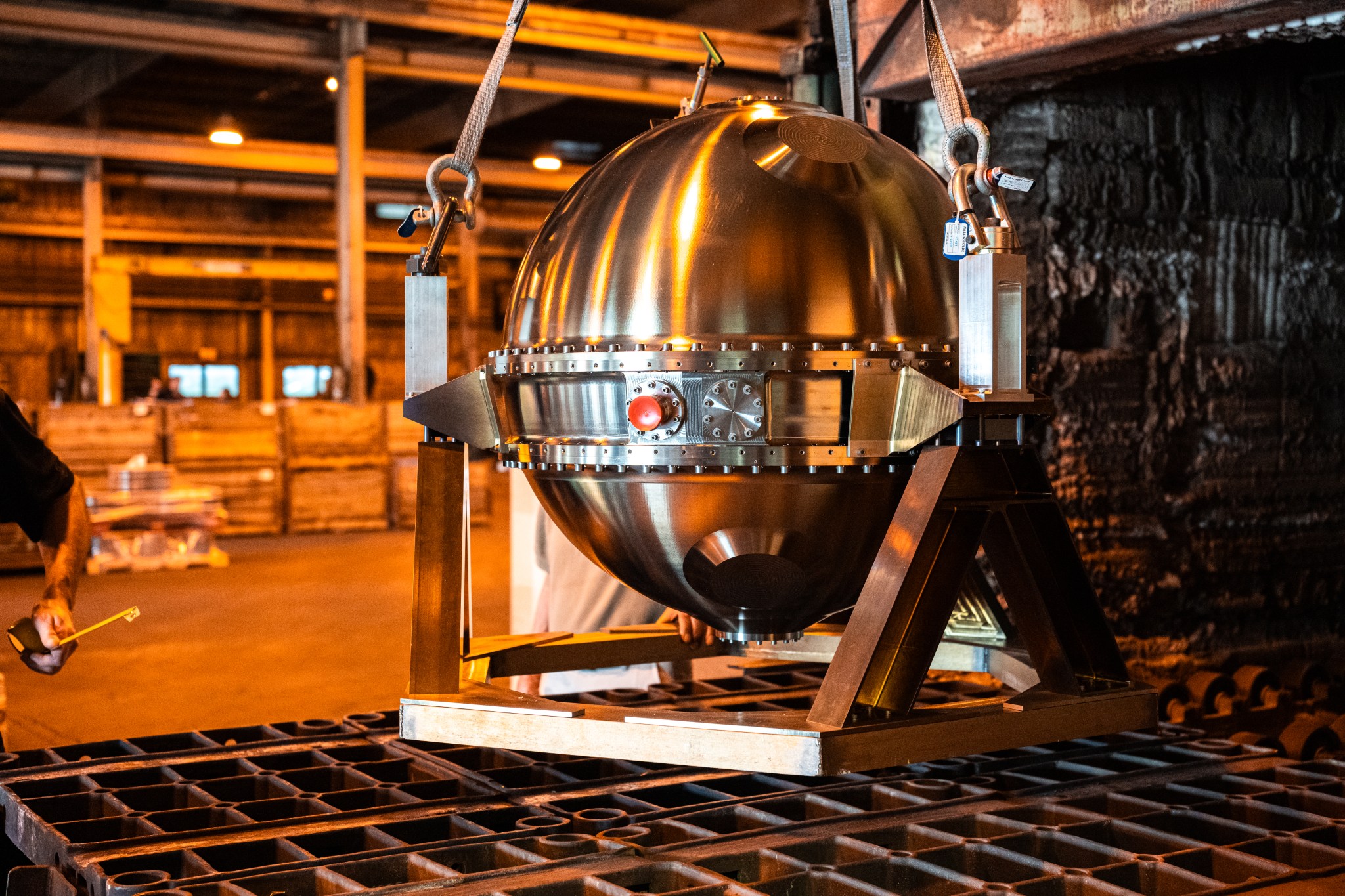
NASA’s engineering development unit of the DAVINCI probe was placed in a ceramic‑lined chamber and heated to 869 °F (465 °C) during a major thermal evaluation, proving the craft can survive Venus’s scorching surface. The test, conducted at NASA’s Marshall Space Flight Center, exposed the probe to temperatures matching the planet’s harsh environment, ensuring its electronics and structural components will remain functional during the mission.
The DAVINCI (Deep Atmosphere Venus Investigation of Noble gases, Chemistry, and Imaging) probe is part of NASA’s 2028 Venus exploration plan. Its goal is to sample the planet’s atmosphere up to 50 km altitude, measuring noble gases, isotopes, and trace gases to unlock clues about Venus’s formation and why it diverged from Earth. Venus’s surface temperature averages 900 °F (475 °C) and pressure 92 times Earth’s, making thermal resilience a top priority. The thermal test follows a series of vibration, vacuum, and radiation tests that the probe has already passed.
During the test, the probe’s heat shield and internal components were monitored as the chamber temperature rose gradually to 465 °C. Engineers confirmed that critical systems—power, communications, and scientific payloads—stayed within safe operating limits. The results match the design specifications and give confidence that the probe will not overheat during descent. NASA’s chief engineer noted the importance of validating the heat‑shield design before full integration.
With thermal qualification complete, the next steps involve final system integration, a full systems‑on‑board test, and launch preparations for the 2030 Venus launch window. Once deployed, DAVINCI will descend through the atmosphere, sampling gases and imaging the cloud tops before its parachutes deploy. The data will help scientists compare Venus’s atmospheric chemistry to Earth’s, shedding light on planetary evolution and the potential for habitability elsewhere in the solar system.
Read Full Story at NASA →