NASA's COFFIES uses AI to predict solar storm regions effectively
NASA's COFFIES has created an AI system to predict regions on the Sun that cause storms, enhancing space weather forecasts. This technology is vital for protecting satellites, astronauts, and power g…
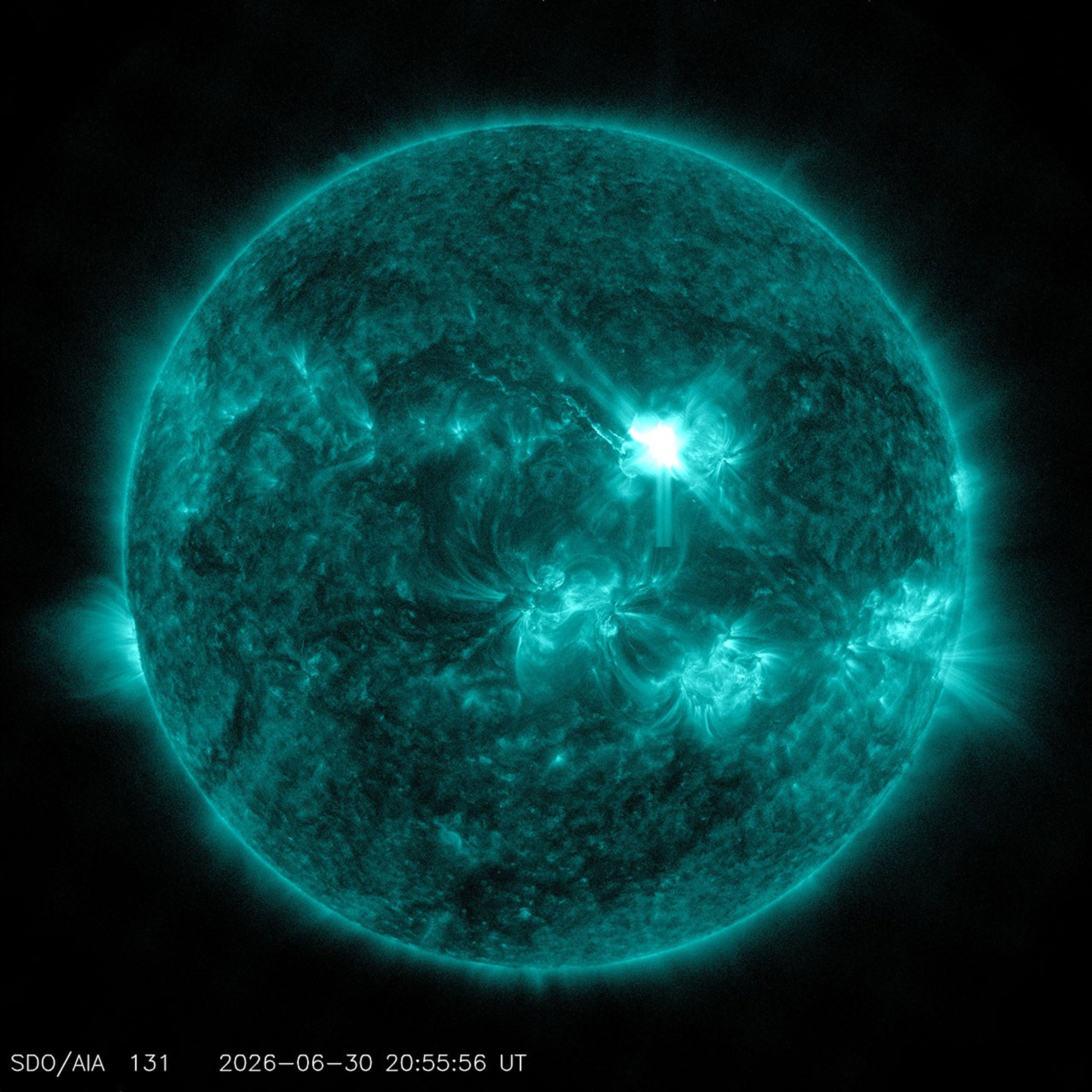
NASA’s COFFIES has developed an artificial intelligence system to predict storm-causing regions on the Sun. This breakthrough comes as space exploration intensifies, with missions targeting the Moon, Mars, and beyond. Understanding space weather is crucial for protecting satellites, astronauts, and even power grids on Earth from the increasingly erratic solar activity.
The motivation behind this development stems from the growing reliance on technology that is vulnerable to space weather events. Solar flares and coronal mass ejections can disrupt satellite communications, GPS navigation, and even electrical power systems on Earth. As humanity pushes further into space, the risks associated with solar activity become more pronounced. COFFIES aims to enhance predictive capabilities by using advanced data analysis techniques, enabling scientists to better anticipate the effects of solar phenomena.
The AI system processes vast amounts of data from solar observations, identifying patterns that precede solar storms. By analyzing the Sun's magnetic fields and flows, it increases the accuracy of predictions. This is a significant advancement; previous methods relied heavily on experience and intuition. With the new AI approach, NASA hopes to provide earlier warnings and improved forecasts, potentially reducing the impact of solar storms on Earth and in space.
Looking ahead, the implications of this technology are substantial. Improved space weather predictions will not only safeguard existing technology but also facilitate future exploration endeavors. As missions to the Moon and Mars ramp up, reliable forecasts will be essential for ensuring astronaut safety and mission success. The integration of AI with solar research represents a pivotal step in preparing humanity for deeper exploration of our solar system.
Read Full Story at NASA →