NASA modifies 737 aircraft to simulate lunar gravity for Artemis training
NASA is modifying a 737 to simulate lunar gravity for Artemis training. This reduces risk by testing equipment and astronaut performance in Moon-like conditions before actual missions.
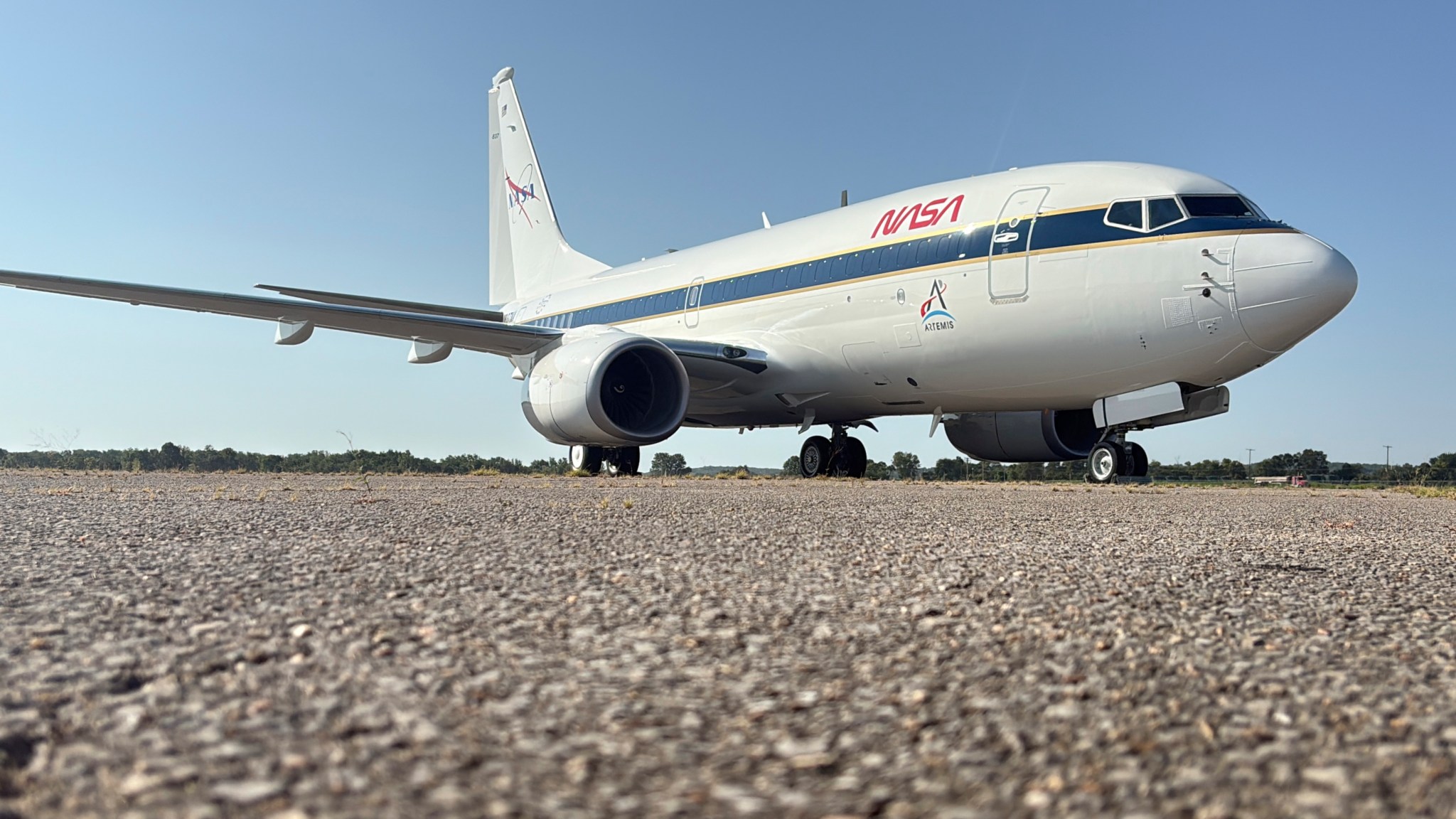
NASA’s 737 aircraft was painted this week in Oklahoma as it progresses with modifications for use as a reduced‑gravity test aircraft for the agency. The new paint job covers the plane’s fuselage and tail, marking the start of a series of upgrades that will allow the jet to perform lunar‑gravity parabolic flights. The aircraft, transferred from the United States Air Force in June, is now under the ownership of NASA’s Armstrong Flight Research Center in Edwards, California.
NASA uses aircraft to create brief periods of micro‑gravity for training astronauts and testing equipment. The 737 will simulate the conditions astronauts will experience on the Moon, where gravity is one‑third of Earth’s. The plane’s modifications will include a new parabolic flight system that can generate lunar‑gravity levels, upgraded avionics, and safety equipment for the crew and payloads. The move comes as NASA ramps up preparations for the Artemis program, which aims to return humans to the Moon by 2025. By validating flight‑tested systems on the ground, NASA hopes to reduce risk for future lunar missions.
The modifications will be carried out by a team of engineers who will install the parabolic flight system, integrate data‑collection sensors, and retrofit the cabin for crew and equipment. Once the upgrades are complete, the 737 will conduct a series of test flights that simulate lunar gravity for up to 30 seconds per parabola. The aircraft will carry scientific instruments, robotic payloads, and a crew of astronauts who will practice extravehicular activities and equipment handling in a lunar‑gravity environment. The program will also provide data on how lunar‑gravity conditions affect human physiology and spacecraft systems.
After the first test flights, NASA plans to incorporate the 737 into the Artemis training pipeline. The data gathered will feed into the design of the Space Launch System and the Lunar Gateway, ensuring that astronauts and equipment are ready for the challenges of a lunar surface mission. The project also opens the door for future reduced‑gravity research, such as testing new life‑support systems and manufacturing processes that could be used on Mars or beyond.
Read Full Story at NASA →