NASA partners with Virginia to enhance solar energy planning and reliability
NASA's Langley Research Center partnered with the Virginia Department of Energy to provide crucial solar and climate data to improve energy planning and reliability in Virginia. This collaboration ai…
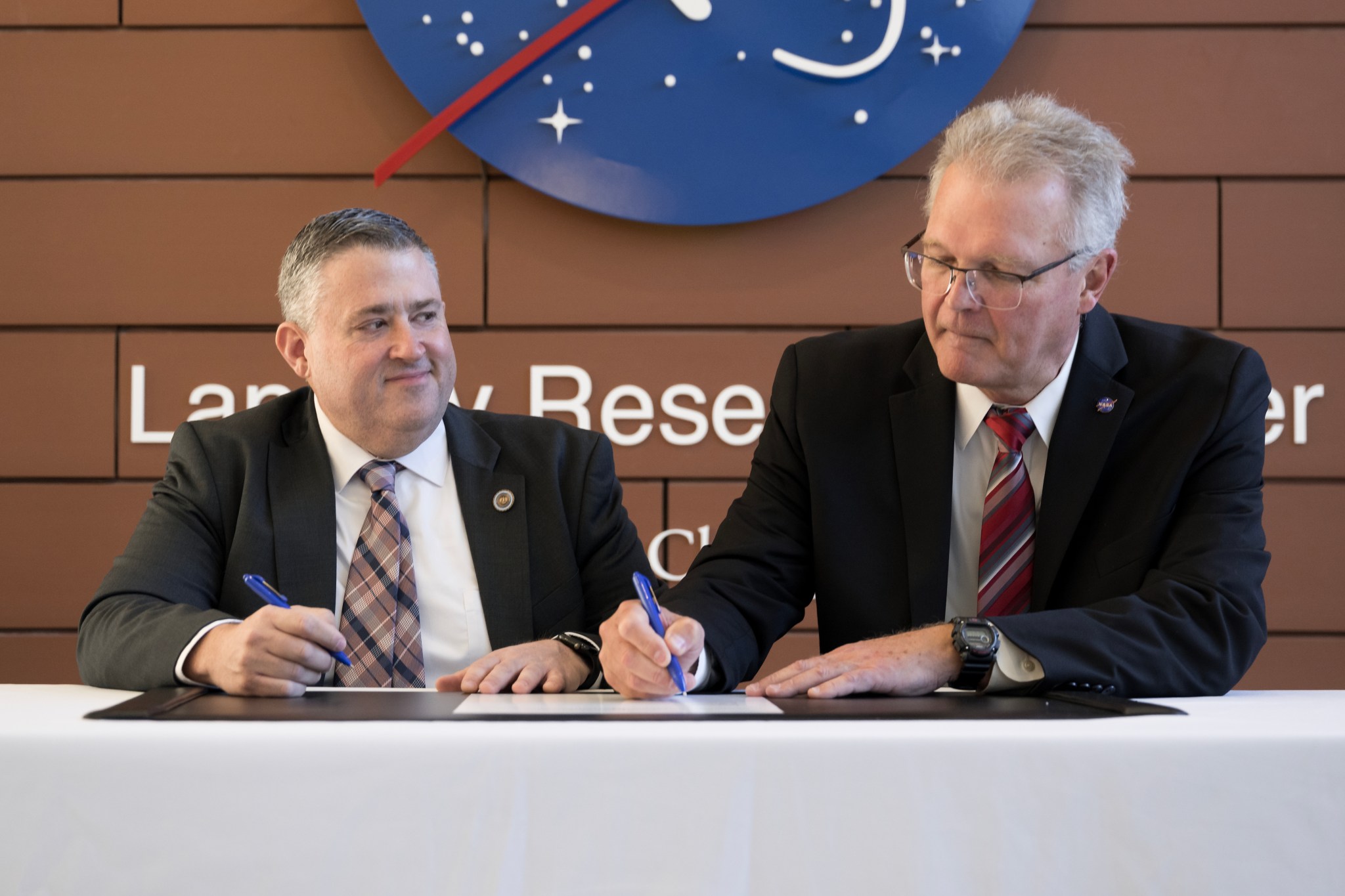
NASA’s Langley Research Center in Hampton, Virginia, signed a partnership with the Virginia Department of Energy on March 15 to supply solar, meteorological and future‑weather risk data for the state’s energy‑system modeling and planning. The agreement will give Virginia’s utilities and regulators access to NASA’s high‑resolution satellite observations and climate projections, helping them evaluate generation options, grid reliability and cost‑effectiveness.
Virginia is racing to meet its 2035 clean‑energy goal and to shore up power reliability after a series of extreme weather events that have strained the grid. The state’s electricity demand has grown 12 percent over the past decade, while renewable sources still account for just under 20 percent of its mix. Planners need precise, long‑term data to forecast how solar output, wind patterns and heat waves will affect supply and demand, especially as more offshore wind farms and solar farms come online. NASA’s Earth‑science assets, including the GOES and MODIS satellites, can fill gaps in ground‑based measurements and provide a consistent, nationwide view of atmospheric conditions.
The partnership will deliver hourly solar irradiance maps, wind‑speed profiles and probabilistic climate‑risk scenarios that feed directly into Virginia’s Integrated Resource Planning models. “NASA’s data gives us a scientific backbone for decisions that affect every homeowner and business,” said Virginia Secretary of Energy Tara L. Bowers. Langley director Dr. Mark R. Hargrove added that the collaboration will also test new machine‑learning tools to translate raw satellite data into actionable insights for grid operators. Early pilots will focus on the Richmond‑area transmission corridor, where planners will assess how future heat spikes could overload lines and where solar farms could offset peak loads.
Implementation begins this summer with a three‑year data‑delivery schedule, after which the state will evaluate the impact on its renewable‑integration targets. If successful, the model could be replicated in other states seeking to blend climate science with energy policy. The effort underscores a growing trend of federal research agencies partnering with state governments to turn climate data into practical tools for energy security.
Read Full Story at NASA →