NASA reveals ISS research to enhance Moon and Mars missions
NASA's research aboard the International Space Station (ISS) is crucial for preparing future missions to the Moon and Mars, focusing on advanced life support, radiation protection, and the effects of…
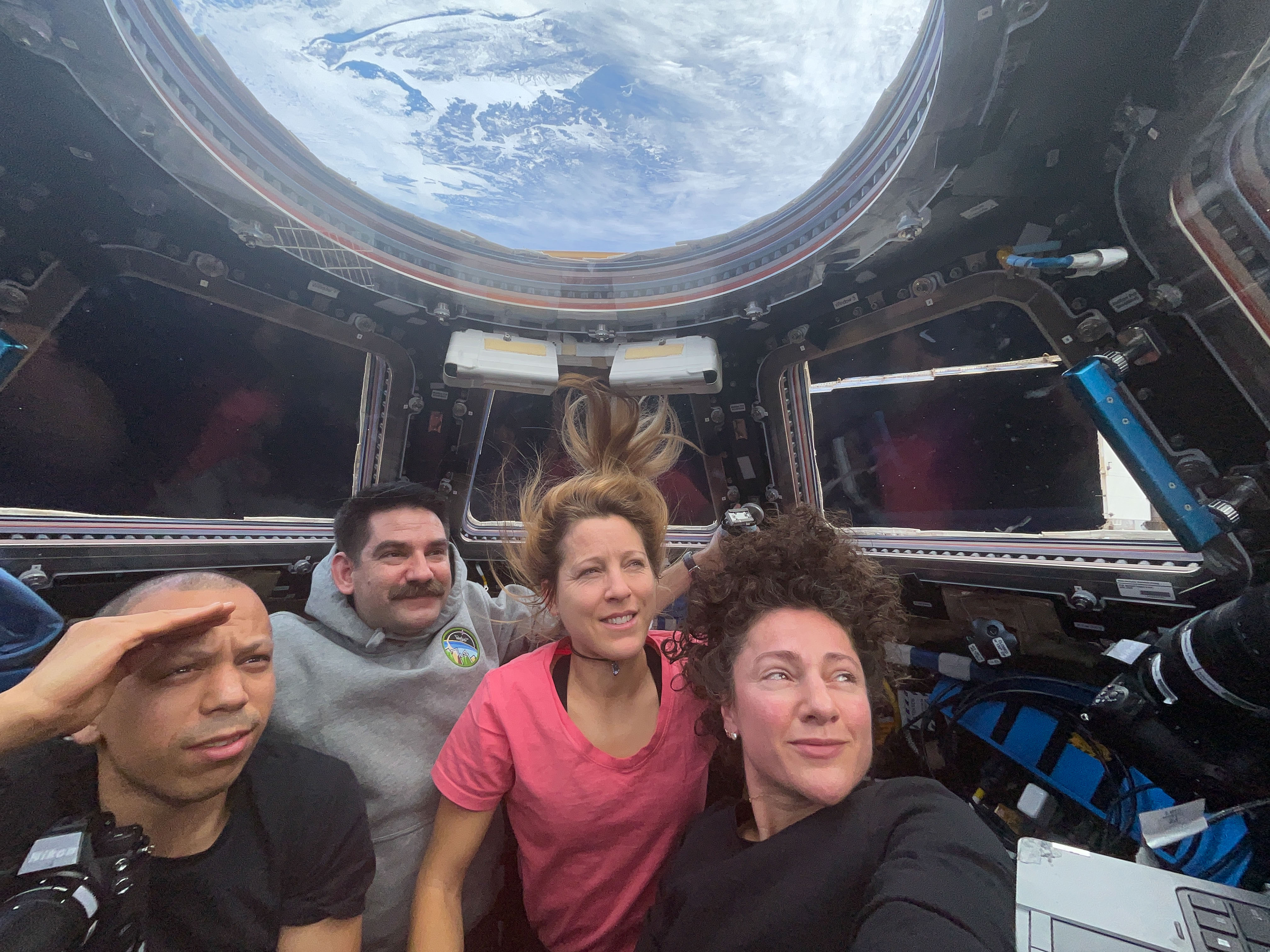
NASA has announced significant developments in research conducted aboard the International Space Station (ISS) throughout 2026. This research aims to support future missions to the Moon and Mars. The ISS is currently serving as a critical platform for astronauts who are performing a variety of scientific experiments. These experiments are designed to enhance human understanding of space and improve technology for long-duration missions.
The urgency of this research stems from NASA's renewed focus on lunar exploration, exemplified by the Artemis II mission, which successfully completed the first crewed flight around the Moon in over 50 years in April 2026. As the agency prepares for more ambitious goals, including establishing a sustainable human presence on the Moon and eventually sending humans to Mars, the insights gained from the ISS are more vital than ever. This research not only tests new technologies but also studies the long-term effects of space travel on the human body, which is essential for the health and safety of future astronauts.
Key areas of research include advanced life support systems, radiation protection, and experiments in microgravity that can lead to breakthroughs in materials science and medicine. For instance, the ISS has been a testing ground for growing plants in space, which is crucial for future missions where resupplying food from Earth will be impractical. Additionally, findings from these experiments have implications for various industries on Earth, particularly in healthcare and agriculture.
Looking ahead, NASA plans to leverage the data collected from the ISS to inform the Artemis program's next steps. This includes building the Lunar Gateway, a space station orbiting the Moon, and preparing for the Artemis III mission, which aims to land astronauts on the lunar surface. These efforts underscore the importance of the ISS as a critical laboratory for developing the technology and knowledge necessary for humanity's next giant leap into space exploration.
Read Full Story at NASA →