NASA issues directive that may raise Mars contamination risks
NASA issued a directive
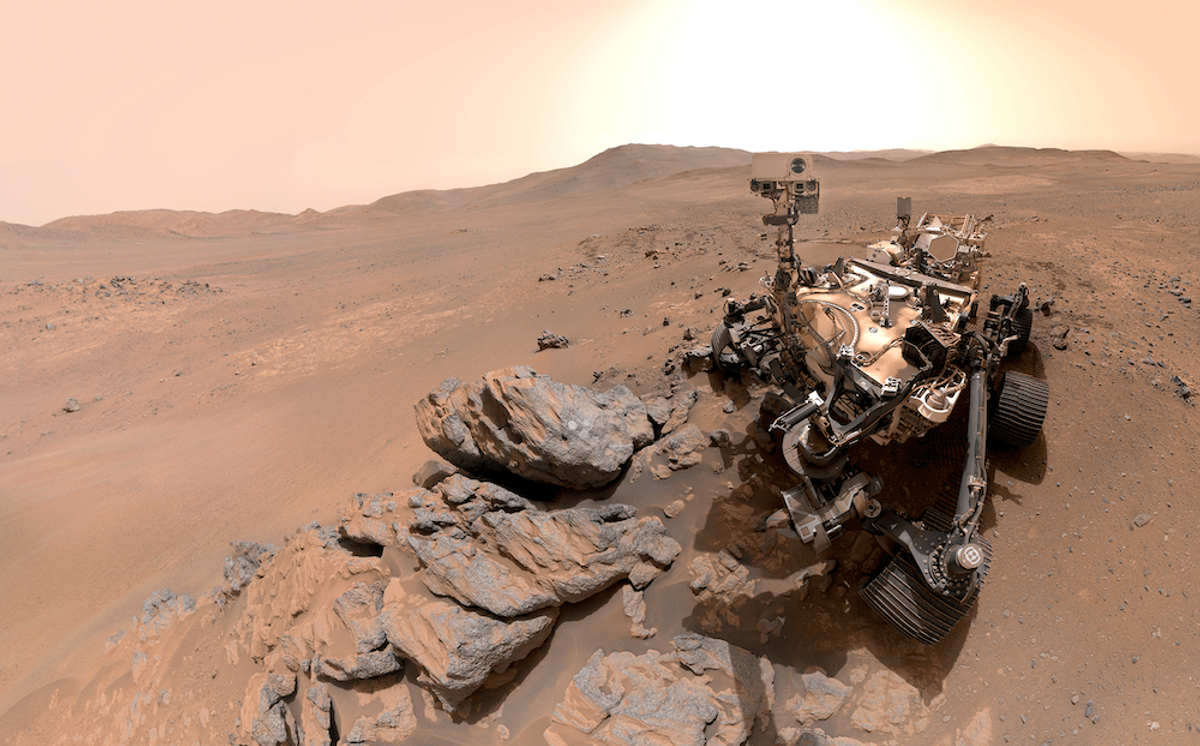
NASA has issued a directive that relaxes the strict sterilization rules for spacecraft headed to Mars, and it calls for an update to the science behind planetary protection. The change, announced in a policy memo on Tuesday, applies to missions funded by the agency and those it partners with, including commercial ventures. It reduces the level of bacterial cleaning required before launch and allows newer, less‑tested methods to be used.
The shift comes as NASA prepares for a wave of new Mars missions, many of which are private or international. The agency’s budget is under pressure, and the cost of meeting the old standards has risen sharply. In recent years, companies such as SpaceX have proposed sample‑return and human‑flight missions that would be expensive to sterilize under the 1970s‑era rules. NASA’s Office of Planetary Protection says the science of microbial survival on spacecraft has advanced, and the old guidelines no longer reflect current knowledge.
Critics warn that the looser rules could raise the chance of Earth microbes contaminating the Martian environment. Scientists who study potential life on Mars argue that even tiny amounts of terrestrial bacteria could compromise future searches for indigenous organisms. The International Committee on Space Research (COSPAR) has not yet endorsed the changes, and several planetary scientists have written to Congress asking for a review. NASA, however, says the new approach will still keep missions “clean enough” to protect both Earth and Mars, and that it will fund research to better understand how microbes survive in space.
The next steps involve a public comment period that runs for 60 days, after which NASA will finalize the revised guidelines. The agency also plans to fund experiments on the International Space Station to test new sterilization techniques. If the changes are adopted, upcoming missions like the Mars Sample Return and private landers could launch with lower preparation costs, potentially accelerating the timeline for bringing Martian material back to Earth. The debate will likely shape how humanity explores the Red Planet while trying to preserve its pristine environment.
Read Full Story at Scientific American →