NASA and SpaceX delay Crew-13 launch after oxidizer leak detected
NASA and SpaceX have delayed the Crew-13 launch due to an oxidizer leak detected in the Dragon spacecraft's propulsion system during prelaunch checks. This setback underscores the challenges of ensur…
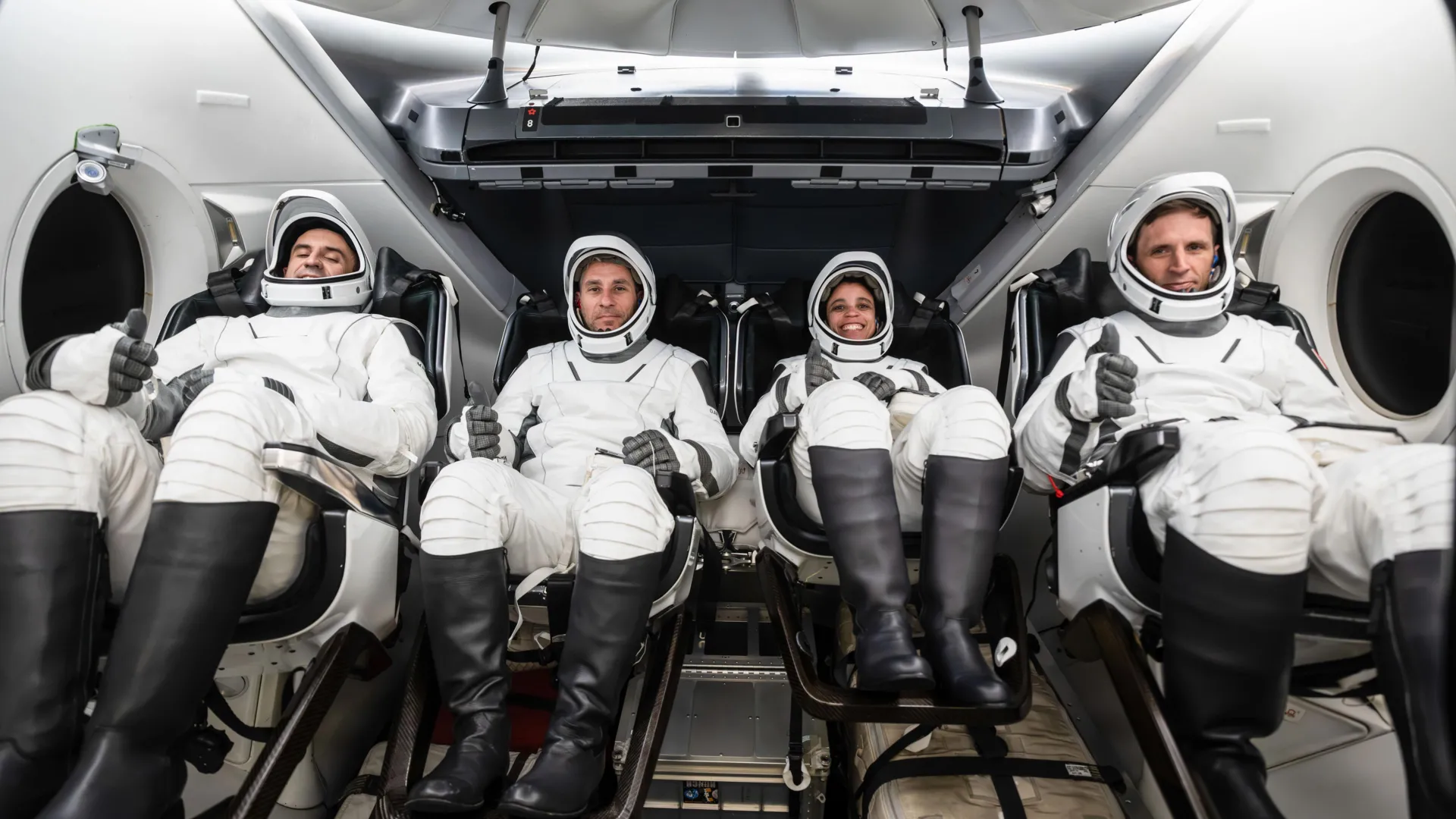
NASA and SpaceX have postponed the Crew-13 launch after discovering an oxidizer leak in the propulsion system of the Dragon spacecraft during prelaunch checks. The delay affects a four-person crew set to travel to the International Space Station (ISS) and highlights ongoing challenges in ensuring safety for human spaceflight.
This incident comes at a critical time as both agencies aim to establish a reliable cadence for crewed missions to the ISS. The Crew-13 mission is part of NASA's Commercial Crew Program, which has shifted much of the responsibility for transporting astronauts to low Earth orbit to private companies. The program aims to reduce costs and increase access to space, but any technical issue, such as this leak, can cause significant delays and raise concerns about safety.
The oxidizer leak was detected during routine checks, prompting engineers to launch a thorough investigation into the issue. While specific details about the leak have not been disclosed, any malfunction in a spacecraft's propulsion system is taken seriously. The Dragon spacecraft has successfully completed multiple missions, but this incident serves as a reminder of the complexities involved in aerospace engineering. The Crew-13 mission had been scheduled to lift off from Kennedy Space Center, but the timeline for the launch will now depend on the outcome of the investigation.
As for what happens next, NASA and SpaceX are working closely to identify the cause of the leak and implement necessary repairs. The agencies have not yet announced a new launch date, but they emphasize safety as their top priority. This delay could impact future missions and the overall timeline for the Commercial Crew Program. Ultimately, ensuring the safety of astronauts is crucial for maintaining public confidence in commercial space travel and the future of human exploration beyond Earth.
Read Full Story at ScienceDaily →