Myanmar junta blocks Rohingya return, cites Rakhine security
Myanmar’s junta claims progress on Rohingya repatiation, but refuses return until Rakhine State security improves. This is impossible because the military lost control of the region and denies Rohing…
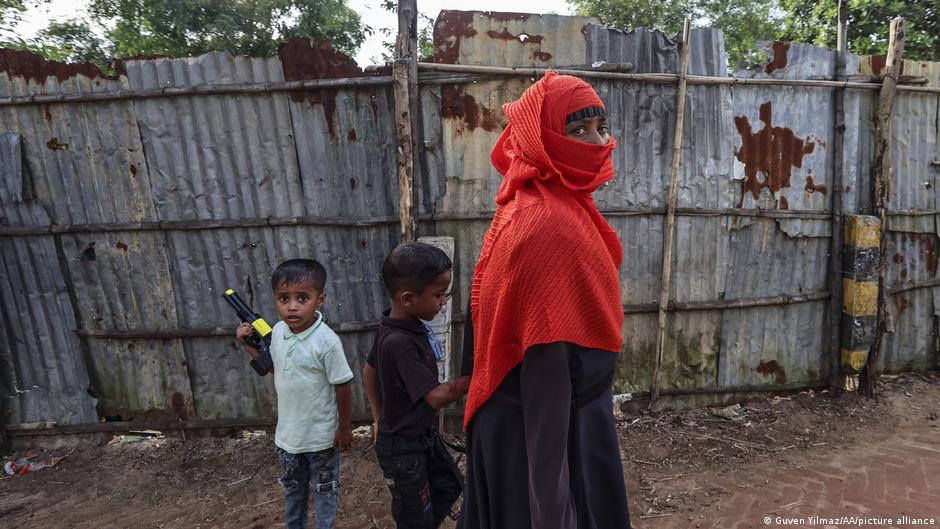
Myanmar’s military-backed government is pushing to restart the repatriation of Rohingya refugees from Bangladesh, claiming it has made progress in verifying identities for return. Authorities in Naypyidaw announced that they have confirmed approximately 308,000 individuals from a list of 820,000 names submitted by their neighbors as former residents. Despite this administrative step, the government maintains that no refugees will be allowed to return until security conditions in Rakhine State improve. This latest push for repatriation comes amidst a broader narrative of normalization, yet it stands in stark contrast to the reality on the ground, where large-scale and safe return is arguably more unattainable now than at any point since the initial crisis erupted in 2017. The announcement serves as a diplomatic maneuver rather than a practical solution, highlighting the disconnect between political rhetoric and the chaotic security environment in western Myanmar.
The context for this stalled process is a country engulfed in a brutal civil war that has severely fragmented state control. Since the military coup in 2021, the junta has lost significant territory, including most of Rakhine State, to ethnic armed organizations and resistance groups. This loss of control makes any coordinated return operation logistically impossible and extremely dangerous. Furthermore, the fundamental legal barrier remains unchanged. Myanmar refuses to recognize the Rohingya as one of its 135 official ethnic groups, instead labeling them as illegal migrants from Bangladesh. This denial of citizenship strips them of basic rights and protections within their country of origin. The current civilian government, formed after a widely criticized election, remains dominated by former junta officials, ensuring that the policies of exclusion and persecution continue without interruption. The political landscape offers no meaningful shift in the treatment of the Rohingya minority.
The human cost of this political stalemate is immense, with around 1.2 million Rohingya refugees currently living in camps in Cox’s Bazar, Bangladesh. These individuals fled a sweeping military campaign in August 2017, which was launched in response to attacks by the Arakan Rohingya Salvation Army. The United Nations and international courts have documented evidence of genocidal intent by Myanmar’s military during these operations. A genocide case brought by The Gambia against Myanmar remains active at the International Court of Justice in The Hague, underscoring the severity of the crimes committed. Experts emphasize that the current environment is not just unstable but actively hostile. Ronan Lee, a researcher at Loughborough University, states that safe repatriation is simply not possible. He argues that the economy has collapsed and the risk of violence is higher now than in 2017. Returning refugees would face the same military apparatus responsible for their original deportation.
Looking ahead, the prospects for a durable solution remain dim. Moe Thuzar from the ISEAS-Yusof Ishak Institute in Singapore agrees that repatriation is less realistic today than at any previous point. Even if the authorities genuinely wanted to facilitate returns, the lack of security and the pervasive atmosphere of fear would prevent any meaningful influx of refugees. The international community continues to monitor the situation, but without a change in the political structure of Myanmar or a guarantee of safety for the Rohingya, the status quo will persist. The refugees in Bangladesh face an uncertain future, stuck in limbo between a country that denies their existence and one that hosts them under difficult conditions. The path to home is blocked not just by borders, but by ongoing conflict and systemic discrimination. Until these root causes are addressed, the promise of return will remain an empty political gesture. The world watches as another year passes with no resolution in sight for one of the most vulnerable populations on earth. The tragedy of the Rohingya continues to unfold, defined by displacement, denial, and the relentless passage of time.
Read Full Story at DW World →


