Mladic's death, Bosnia and Serbia's unfinished reckoning
The death of Ratko Mladic should have closed one of the darkest chapters in European history. Instead, it has reopened old wounds, proving that both the Dayton Peace Agreement that ended the 1992-95…
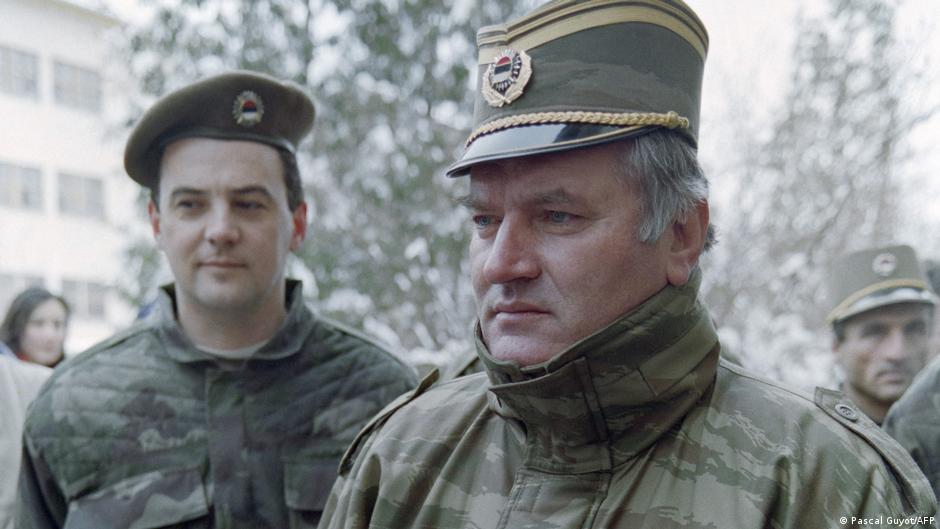
The death of Ratko Mladic should have closed one of the darkest chapters in European history.
Instead, it has reopened old wounds, proving that both the Dayton Peace Agreement that ended the 1992-95 Bosnian War and the three decades of international engagement that followed never came close to addressing the causes that led to the conflict.
When Mladic , the former commander of the Bosnian Serb army, died on August 27, 2026 in a prison hospital in The Hague, his conviction for genocide, crimes against humanity and war crimes — including the 1995 Srebrenica massacre and the siege of Sarajevo — had been final for nearly a decade.
To view this video please enable JavaScript, and consider upgrading to a web browser that supports HTML5 video
What was never settled, however — and what, it seems, was never even seriously attempted — is the question of how a society lives with a man who remains a convicted criminal in the eyes of an international court but is viewed by some as a hero and symbol of the Serbian people.
For this reason, the reactions that followed Mladic' s death came as no surprise.
In Serbia and the Serb-dominated Republika Srpska , one of the two semi-autonomous entities created within Bosnia and Herzegovina by the 1995 Dayton Peace Agreement, Ratko Mladic's death was mourned as the loss of a national hero, not the end of an era of crimes — a narrative that stands in direct contradiction to the facts established by international courts.
Senior officials in Republika Srpska, which covers around 49% of the territory of the former Yugoslav republic of Bosnia and Herzegovina, called on citizens to gather in squares and light candles "for the salvation of the general's soul."
Read Full Story at DW World →