MIT neuroscientists find brain reasons effectively without using language
MIT neuroscientists found that the brain can perform logical reasoning independently of language, as individuals with severe language impairments solved complex puzzles effectively without activating…
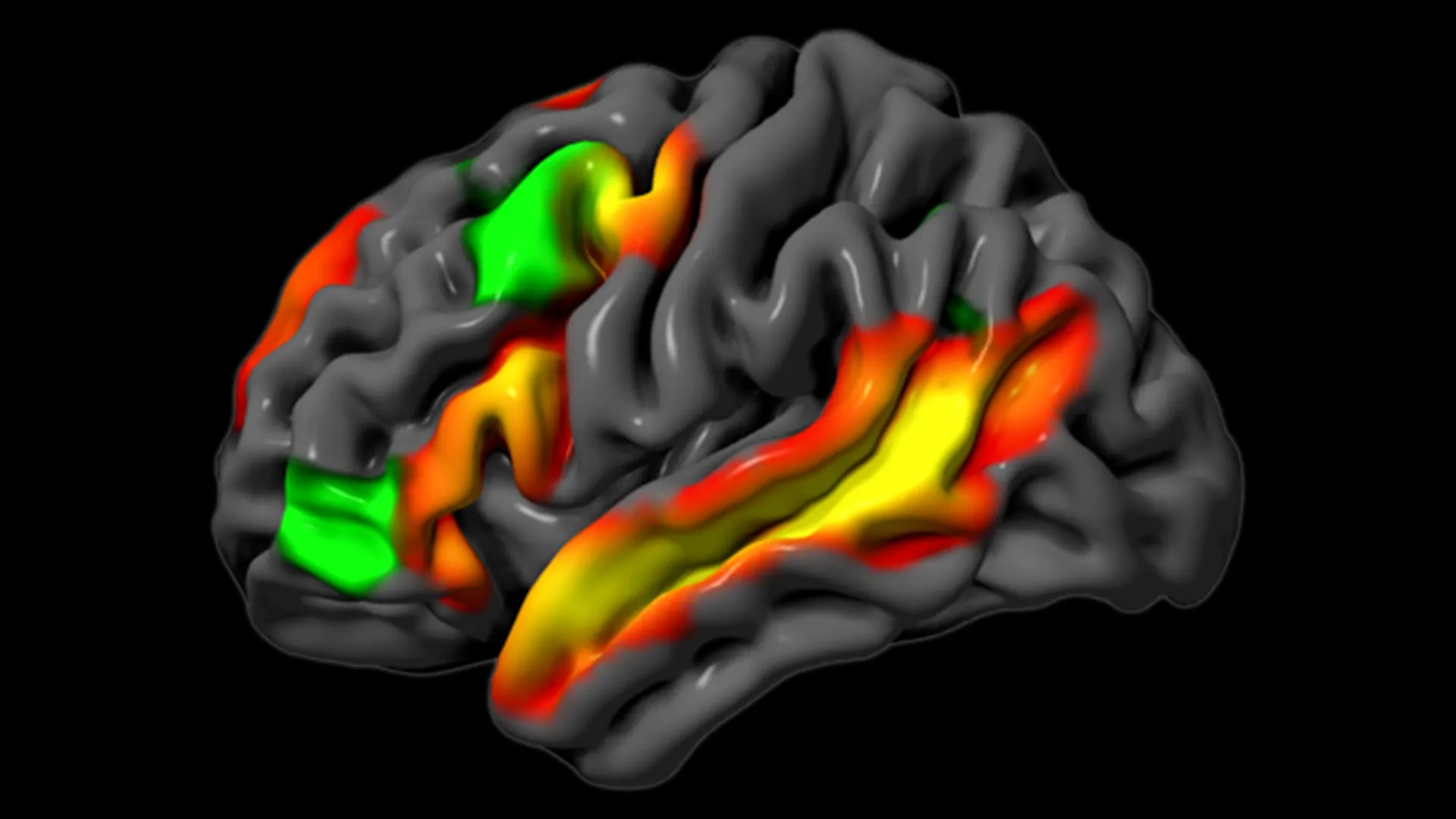
MIT neuroscientists have discovered that language and logical reasoning operate through different systems in the brain. This conclusion comes from a study where individuals with severe language impairments, often resulting from strokes, were able to solve complex logic puzzles just as effectively as those without such impairments. Brain scans revealed that the regions typically associated with language processing were largely inactive during these reasoning tasks.
This research is significant as it challenges long-held beliefs about the relationship between language and thought. For decades, many psychologists and linguists have argued that language is essential for reasoning. The findings from MIT suggest that the brain can engage in logical reasoning independently of linguistic capabilities, indicating that reasoning may be a more primal cognitive function. This has implications for understanding how the brain processes information and could reshape approaches in education and cognitive therapy.
The study involved multiple participants, including those with varying degrees of language abilities, who tackled a series of logic puzzles designed to test reasoning skills. Researchers found that while language-related brain areas showed little activity during these tasks, other regions associated with reasoning and problem-solving were engaged. This raises questions about how cognitive tasks are distributed across the brain and suggests a potential for untapped reasoning abilities in individuals with language deficits.
Looking ahead, these findings may influence future research into cognitive rehabilitation for stroke victims and others with language impairments. If reasoning can occur without the aid of language, strategies that focus on enhancing non-verbal problem-solving skills could be developed. Understanding the distinct pathways for reasoning and language could also lead to better educational methods that cater to diverse learning styles, ultimately benefiting individuals with varying cognitive strengths.
Read Full Story at ScienceDaily →